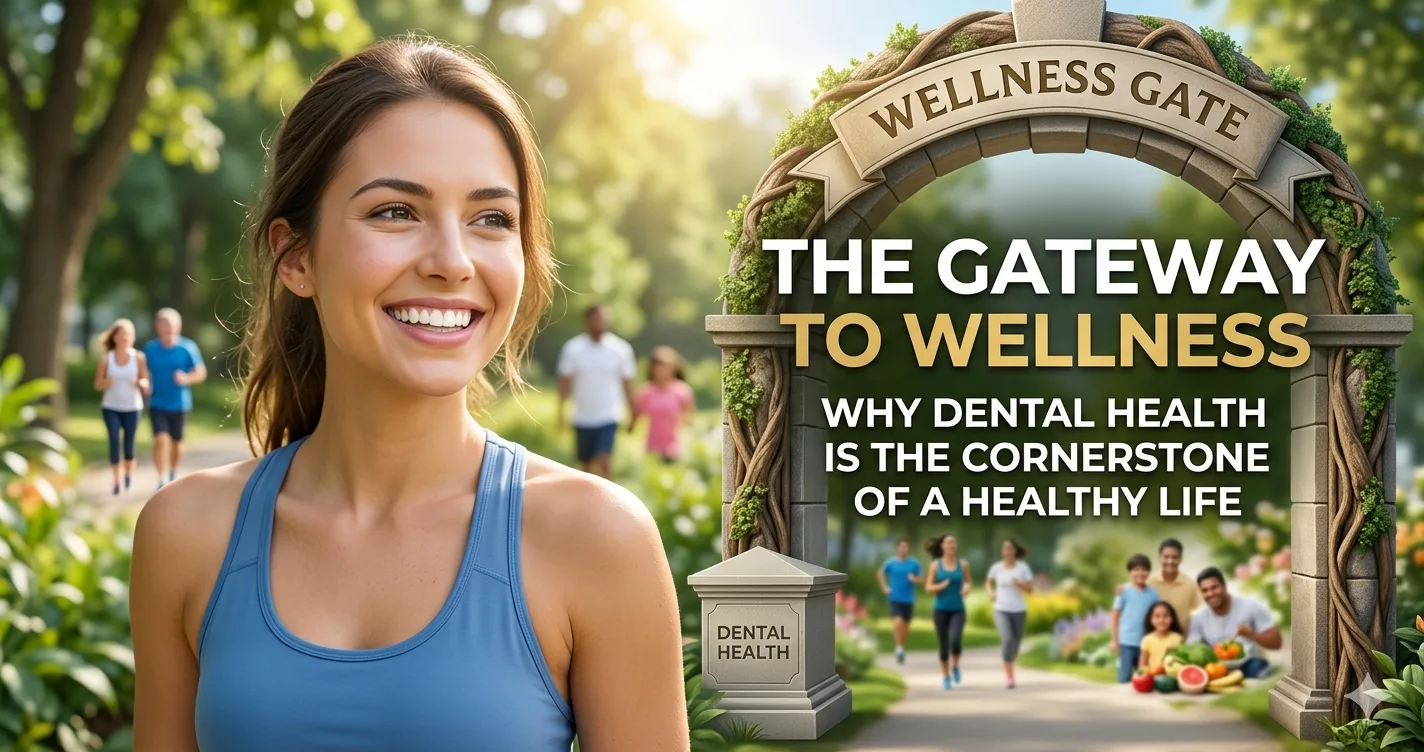
We often hear that the eyes are the windows to the soul, but in reality, the mouth is the gateway to the body. Dental health is frequently relegated to the background of our overall healthcare priorities, often only coming to mind when a sharp pain or a visible cavity demands immediate attention. However, oral hygiene is far more than just having pear-white teeth for a perfect photo; it is a critical component of systemic health, psychological well-being, and long-term quality of life.
In this comprehensive guide, we will explore why maintaining your oral health is vital, the connection between your mouth and your heart, and how modern dentistry is making it easier than ever to achieve a smile that is both healthy and beautiful.
The Surprising Link Between Oral and Systemic HealthFor decades, the medical community treated the mouth as an isolated part of the body. Today, we know better. Research has consistently shown that oral health is a powerful indicator of your overall health. Your mouth is teeming with bacteria—most of them harmless—but without proper hygiene, these bacteria can reach levels that lead to oral infections, such as tooth decay and gum disease.
The danger arises when these bacteria enter the bloodstream. Chronic inflammation in the mouth, specifically from periodontal (gum) disease, has been linked to several serious conditions:
Given these risks, it is clear that visiting a reliable dental clinic for regular checkups is not just about your teeth; it’s about protecting your entire body.
Common Dental Challenges and How to Overcome ThemDespite our best efforts, most people will face at least one major dental hurdle in their lifetime. Understanding these challenges is the first step toward prevention.
1. Tooth Decay (Cavities):
This is the most common health problem in the world. It occurs when plaque—a sticky film of bacteria—combines with the sugars and starches from our food to produce acid. This acid attacks the tooth enamel. If caught early, a simple filling can fix it. If neglected, it can lead to a root canal or tooth loss.
2. Gum Disease (Gingivitis and Periodontitis):
It often starts silently. You might notice a little blood when you brush or some redness in the gums. This is gingivitis, and it is reversible. However, if it progresses to periodontitis, the gums pull away from the teeth, bone is lost, and teeth may become loose.
3. Tooth Sensitivity:
If a cold drink or a hot coffee causes a sharp flash of pain, you likely have sensitive teeth. This can be caused by worn enamel, exposed roots, or even a cracked tooth. Modern treatments, ranging from desensitizing pastes to professional sealants, can offer quick relief.
Gone are the days when a trip to the dentist was something to be feared. The field has seen incredible technological advancements that make procedures faster, more comfortable, and highly aesthetic.
From digital X-rays that reduce radiation exposure to 3D imaging for precise dental implants, technology is at the forefront of patient care. Many patients now seek out a professional dental service provider who utilizes these modern tools to ensure a pain-free experience.
Furthermore, the rise of cosmetic dentistry has changed lives. Treatments like professional teeth whitening, porcelain veneers, and invisible aligners (like Invisalign) have made it possible for anyone to achieve a "Hollywood smile." But more importantly, these cosmetic treatments often improve function, making it easier to chew, speak, and clean your teeth.
The Psychology of a SmileThere is a profound psychological impact associated with dental health. If you are self-conscious about missing, discolored, or crooked teeth, it affects how you interact with the world. You might cover your mouth when you laugh or avoid social situations altogether.
When you invest in your smile, you are investing in your self-esteem. A healthy smile radiates confidence and approachability. This is why many people choose to undergo a complete smile makeover—not out of vanity, but to reclaim their confidence and social freedom.
Preventative Care: The Best Medicine is a Good RoutineWhile professional intervention is necessary for many issues, the foundation of dental health is built at home. A robust daily routine can save you thousands of dollars in future dental bills and hours of discomfort.
Choosing the Right Partner for Your Dental JourneyFinding a dentist you trust is essential. You want a team that combines clinical expertise with a gentle, patient-centered approach. Whether you are looking for routine cleaning, advanced restorative work, or cosmetic enhancements, the right environment makes all the difference.
For those looking for comprehensive care that prioritizes both aesthetics and health, visiting Radiant Smiles can be a transformative experience. A clinic that understands the nuances of modern dental science can help you navigate the complexities of oral care with ease, ensuring that your journey toward a perfect smile is as smooth as possible.
When Should You See a Dentist?If you wait until it hurts, it’s often too late for simple fixes. You should ideally see a dental professional every six months. However, you should book an appointment immediately if you experience:
Conclusion: A Lifetime of SmilesYour teeth are designed to last a lifetime, but they need your help to get there. By understanding the vital link between your mouth and your body, maintaining a strict home care routine, and partnering with a [top-tier dental service], you can prevent almost all major dental issues.
Remember, a healthy mouth is about more than just avoiding pain; it’s about the joy of eating your favorite foods, the confidence to speak your mind, and the health to live your life to the fullest. Don't wait for a problem to arise—take the first step toward a brighter, healthier future today. Your body, and your smile, will thank you.