
Every day, industries across the globe operate with remarkable consistency. Factories produce goods, electrical grids deliver power, water systems distribute resources, and transportation networks function with precision. To the outside observer, this constant motion appears seamless. Behind the scenes, however, a complex web of interconnected systems works continuously to ensure that operations remain stable, efficient, and responsive.
These hidden systems are the foundation of modern industry. They monitor performance, control processes, and enable real-time decision-making across sectors that demand reliability. Without them, the infrastructure that supports daily life would be far more vulnerable to disruption.
The Backbone of Continuous Operations
At the core of industrial reliability lies the ability to maintain uninterrupted operations. Facilities cannot afford extended downtime, as even brief interruptions can result in significant financial losses, safety risks, and supply chain disruptions. To address this challenge, industries rely on sophisticated control systems that manage equipment and processes around the clock.
These systems collect data from sensors embedded throughout machinery and infrastructure. They track variables such as temperature, pressure, flow rates, and energy consumption, creating a comprehensive picture of operational performance. By analyzing this data in real time, operators can ensure that conditions remain within optimal ranges.
Automation plays a key role in this process. Instead of relying solely on manual oversight, automated systems can adjust settings, activate backups, or shut down components when abnormalities are detected. This responsiveness helps prevent minor issues from escalating into major failures.
The result is a level of consistency that allows industries to operate continuously, meeting demand without compromising safety or efficiency.
Real-Time Monitoring and Data Visibility
Visibility is one of the most critical factors in maintaining industrial operations. Without accurate and timely information, decision-making becomes reactive rather than proactive. Real-time monitoring systems bridge this gap by providing operators with immediate insights into system performance.
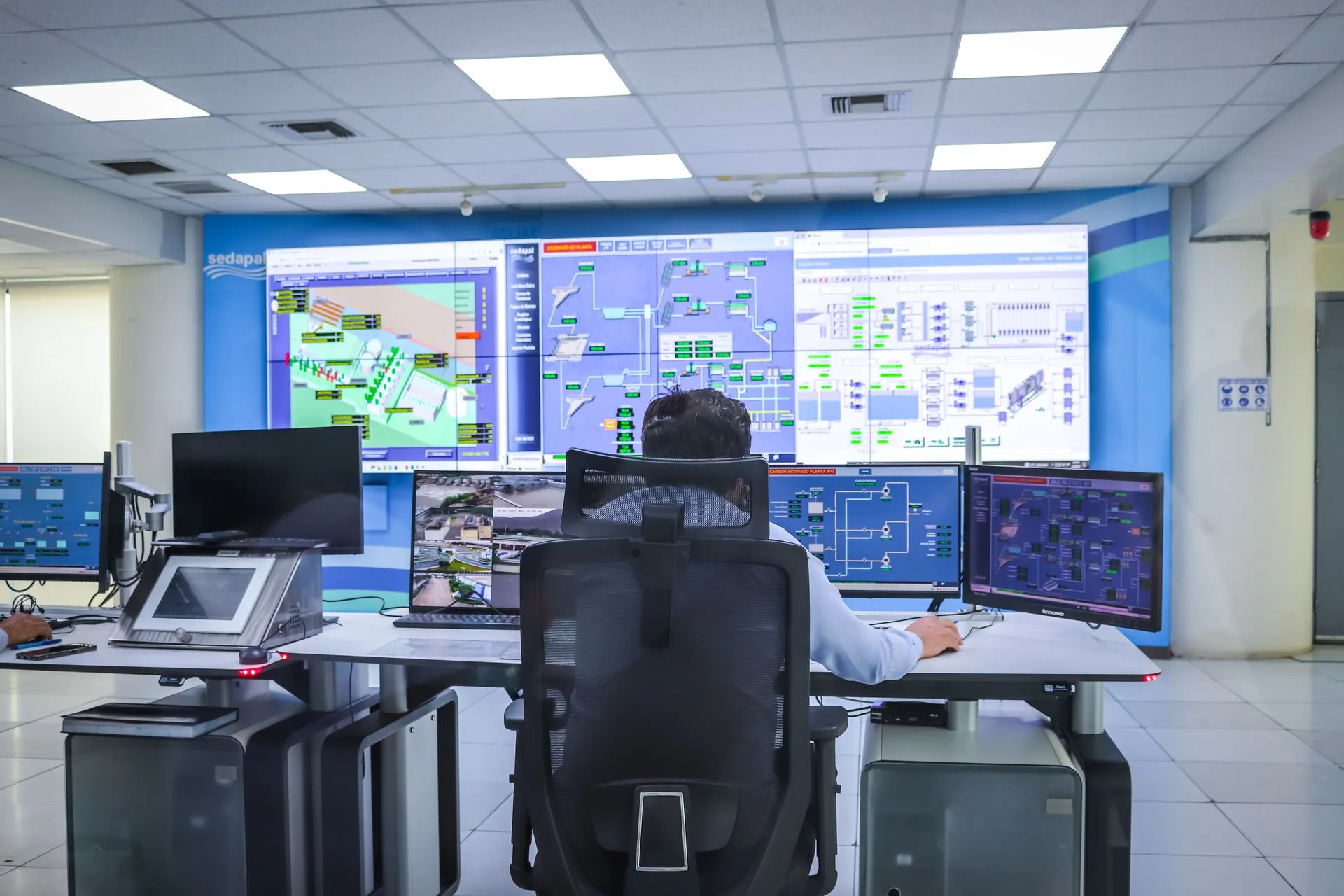
Centralized dashboards display data from multiple sources, allowing teams to monitor entire operations from a single interface. These dashboards highlight key performance indicators and provide alerts when thresholds are exceeded. This enables operators to respond quickly to changing conditions.
An essential component of this ecosystem is SCADA HMI, which combines supervisory control and data acquisition with human-machine interfaces to deliver clear, actionable information. Through intuitive visual displays, operators can interact with complex systems, identify issues, and make adjustments with confidence.
This level of visibility transforms how industries approach problem-solving. Instead of waiting for failures to occur, teams can identify trends and address potential issues before they impact operations. Predictive insights further enhance this capability, allowing organizations to plan maintenance and allocate resources more effectively.
The Role of Automation in Efficiency and Precision
Automation has become a cornerstone of modern industry, enabling processes to run with minimal human intervention while maintaining high levels of accuracy. Automated systems perform repetitive tasks consistently, reducing variability and improving overall output quality.
In manufacturing, automation ensures that each component meets exact specifications. In energy production, it balances supply and demand to maintain grid stability. In logistics, it coordinates the movement of goods with precision and speed. Across all these applications, automation enhances efficiency and reduces the likelihood of human error.
Robotics and programmable logic controllers (PLCs) work together to execute complex operations. These systems can be programmed to follow precise instructions, adapt to changing conditions, and communicate with other components within the network. This integration creates a cohesive system where each part contributes to the overall performance.
Automation also supports scalability. As demand increases, systems can be adjusted to handle higher workloads without requiring significant changes to infrastructure. This flexibility is essential in industries that must respond quickly to market fluctuations.
Ensuring Reliability Through Redundancy and Maintenance
Continuous operation depends on more than just monitoring and automation—it requires built-in resilience. Redundancy is a key strategy used to ensure that systems remain operational even when individual components fail.
Backup systems, alternative power sources, and duplicate pathways are designed to take over seamlessly when needed. This approach minimizes downtime and ensures that critical processes continue without interruption. For example, power plants often include multiple generators, and data centers rely on redundant servers to maintain uptime.
Maintenance is another critical factor in sustaining reliability. Modern industries increasingly use predictive maintenance strategies, which rely on data analysis to identify when equipment is likely to fail. By addressing issues before they occur, organizations can reduce unplanned downtime and extend the lifespan of their assets.
Scheduled maintenance activities are coordinated carefully to minimize disruption. Systems are often designed to allow for maintenance without shutting down entire operations, ensuring that productivity remains high.
Together, redundancy and maintenance create a robust framework that supports continuous operation, even under challenging conditions.
Integration Across Complex Systems
Modern industrial environments are highly interconnected, with multiple systems working together to achieve common goals. Integration is essential for ensuring that these systems communicate effectively and operate as a unified whole.
Data integration allows information to flow seamlessly between different components, enabling coordinated decision-making. For example, in a manufacturing facility, production data may be linked with supply chain systems to ensure that materials are available when needed. In energy networks, data from generation, transmission, and distribution systems must be synchronized to maintain balance and efficiency.
Communication protocols and standardized interfaces facilitate this integration. These technologies ensure that systems developed by different manufacturers can work together without compatibility issues. This interoperability is crucial for maintaining flexibility and adapting to new technologies.
Integration also supports advanced analytics, allowing organizations to gain deeper insights into their operations. By combining data from multiple sources, teams can identify opportunities for optimization and improve overall performance.
The Importance of Skilled Oversight
While technology plays a central role in industrial operations, human expertise remains essential. Operators, engineers, and technicians are responsible for interpreting data, managing systems, and making critical decisions.
Training and experience enable these professionals to understand complex systems and respond effectively to unexpected situations. They ensure that automated processes function as intended and that any issues are addressed promptly.
Collaboration between human and machine capabilities is key to achieving optimal results. Technology provides the tools and insights needed for efficient operation, while human judgment ensures that these tools are used effectively.
Investing in workforce development is therefore a critical aspect of maintaining reliable operations. As systems become more advanced, the demand for skilled professionals who can manage and optimize these technologies continues to grow.
Conclusion
The systems that keep modern industry running are often hidden from view, yet their impact is undeniable. Through real-time monitoring, automation, integration, and rigorous maintenance, these technologies enable continuous and reliable operation across a wide range of sectors. By combining advanced tools with skilled human oversight, industries are able to meet the demands of a fast-paced and interconnected world. As technology continues to evolve, these hidden systems will remain essential in supporting progress and ensuring that critical operations run smoothly around the clock.