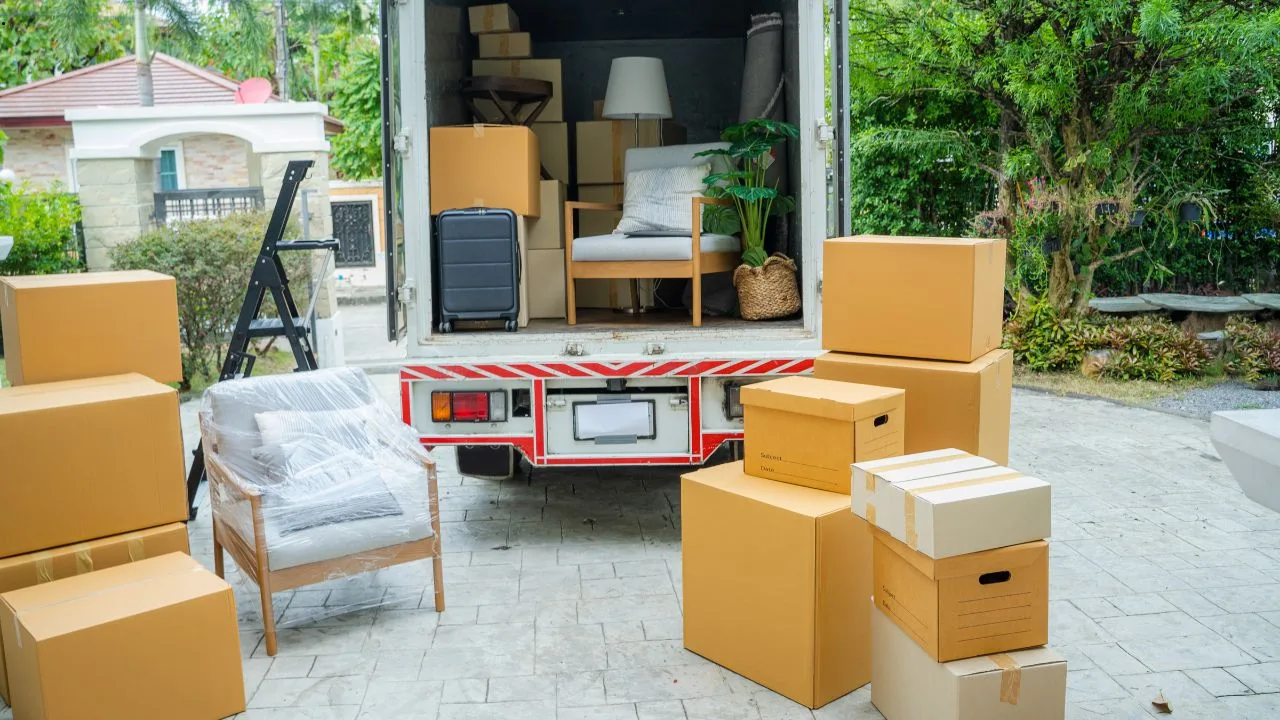
The majority of moving plans are room-centric, although delays frequently originate beyond the property. A truck will find the right street but may have permit restrictions, tram lines, small lanes, low branches or a long haul from the nearest legal place. The kerb-to-door path is handled the same way as the inventory.
An access audit will chart the exact path the mover will take from the truck to the largest piece of furniture in the house. It shows distance, surfaces, gates, steps and curves that images of the living room cannot. On this route 10 minutes can avoid recurrent hurdles over dozens of loads.
Walk the Route at the Proper Time
Provide your melbourne removalist with an access description depending on conditions at the time your relocation is to take place. A calm street on a Sunday evening may be different in weekday school drop-off or clearway hours. Watch for parking signs, loading zones, permit requirements, and any habitual congestion around the entry.
Check for overhead and side clearance for the intended vehicle. Apartment basements, carports and tree-lined streets can restrict height, and tight turning circles can mean a vehicle can’t get in even if the gate looks wide enough. If you don’t have access, don’t guess – measure and take pictures.
Count the Carry, Not Only the Stairs
A level route can nevertheless add considerable time if the vehicle can stay far away. Note the estimated distance and whether it traverses grass, gravel, ramps or public walkways. Long carries impact equipment choices and needs a solid plan for keeping people away from moving cars.
Describe stairs by width, number of steps, landings and handrails. One tight turn can be more important than the whole straight flight. Look for loose pavers, slick tiles or areas with poor lighting that need maintenance before anyone carries an object that obscures their view.
Control Doors Gates and Keys
Check who will unlock community gates and whether elevator or loading-bay access is by key, code or swipe card. Keep these controls on one available person. A piece of heavy furniture won't prevent a move like a key in an unlabelled box can.
Destination too, prepare
The route of arrival needs to be audited separately. Figure out where the truck can wait, how to safeguard doors and where to place products so as not to block neighbours. Clearly mark rooms before unloading so the final meters are not a series of queries.
If the move is changed due to roadworks, construction fences or landscaping, include current access photos. A route explored weeks ago may not be there anymore. The new information can trigger an update of the plan before the vehicle is committed to a street or entrance that has become limited.
Efficiency on moving day is established all along the way, not just in the truck. Treating the kerb, building entry and destination as a continuous route means there are fewer surprises that halt the process. Then the relocation starts at the first legal parking spot and ends right where each item goes.