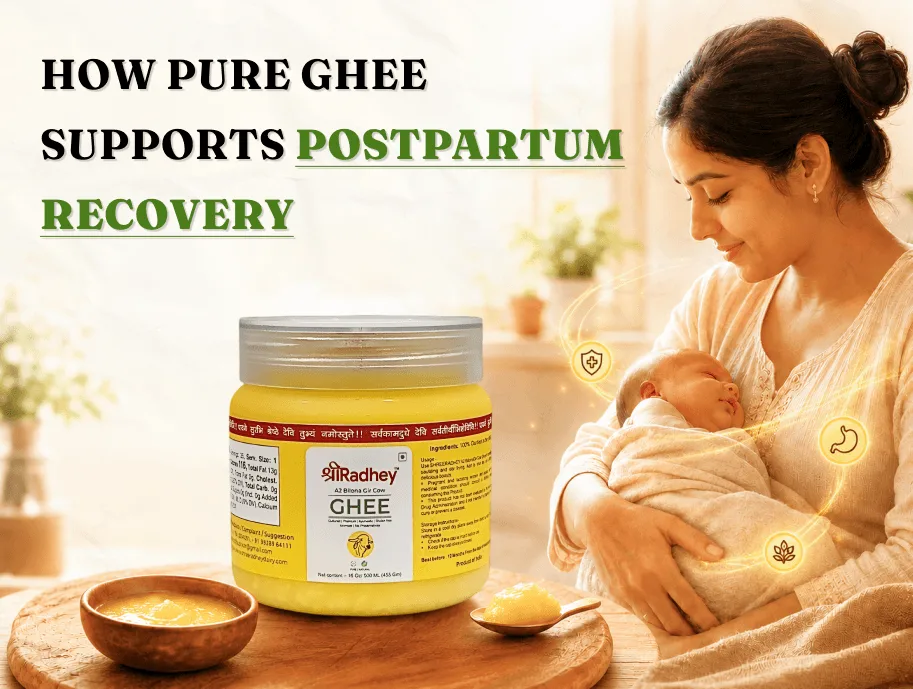
The postpartum period is one of the most important phases in a woman’s life. After childbirth, the body undergoes physical, emotional, and hormonal changes while recovering from labor and adjusting to caring for a newborn. Nutrition plays a significant role during this time, and traditional foods often become a key part of recovery. One such food that has been trusted for generations is A2 pure cow ghee.
Many new mothers include ghee in postpartum diets because of its nourishing properties and rich nutritional profile. Whether added to warm meals, traditional recipes, or consumed in moderation, ghee has long been considered beneficial for recovery.
Let’s explore the benefits of ghee for pregnant women and how it supports healing, energy, digestion, and overall well-being after delivery.
Importance of Nutrition During Postpartum Recovery
The body needs extra care after delivery. While breastfeeding, it's possible to feel lethargic, feel sore, the hormones can also affect the body, and you can also find that you have an upset stomach. While breastfeeding, the body is doing even more work, producing milk and healing itself, and requires additional calories.
Fat-soluble vitamins and nutrients, and healthy fats, can rebuild the tissues in the body, giving it the strength that it needs to rebuild. This is why the majority of postnatal diets are warm and nourishing, which is where pure ghee has found a place in postpartum diets.
A2 bilona cow ghee is not processed like most other fats and contains fat-soluble vitamins that can help in the healing process if taken in a balanced way as part of a diet.
Is Ghee Good for Postpartum Recovery?
Pure ghee is a storehouse of important good fats, and they will aid the mother in staying active in sleepless nights and the lethargic state post birth.
It is a rich source of vitamins A, D, E, and K, which are great for body maintenance. Post birth is a period for healing of tissue and building up of strength, and fat-rich foods will be welcome.
In fact, ghee foods are incorporated in almost all cultures during the postpartum period for their healing, warming, and digestive properties. Different bodies respond differently, and a spoonful of pure, good ghee is definitely good in moderate quantities as part of the postnatal diet.
How Ghee in Postpartum Diets May Support Recovery
Supporting Energy Levels for New Mothers
Exhaustion is one of the biggest problems post-childbirth. A mother has to deal with feeding patterns, lack of sleep, and recovering from the childbirth process, which can cause them to become drained out. Pure ghee is full of calories and healthy fats, which might just be the sustained source of energy the mother needs. Understanding the benefits of ghee for pregnant women can also help explain why many continue consuming it during the postpartum phase.
Adding one spoon of pure ghee to warm food like rice, dals, soups, or porridge can also make the food filling and nutritious. Instead of snacking on other high-calorie foods, many mothers opt for whole-meal foods that contain ghee post-childbirth to keep energy levels up.
Supporting Healing and Tissue Recovery
The body is more concerned with healing post-childbirth, and whether it is after a vaginal birth or C-section, good nutrition is imperative. Healthy fats assist in various functions within the body, including absorption of nutrients and general health.
The fat-soluble vitamins in pure ghee can assist the body in many healing processes post-childbirth, and coupled with protein-rich foods, vegetables, and whole grains, may assist in promoting a balanced postpartum diet, which will aid in healing and gaining strength.
Helping With Digestion and Gut Health
After the birth, digestion may be different as a result of changes in hormones, medication, or reduced activity; some women suffer from bloating or constipation in the weeks post-delivery. It is traditional to use ghee for digestion and gut health as it is felt to be mild.
Meals served warm with pure ghee may be found more easily digested and aid moderate eating in this postpartum period. Since new mothers require nurturing meals, small additions of ghee may increase food satisfaction whilst aiding digestion.
Promoting Warmth and Comfort After Delivery
In many traditional cultures, it is believed that warm food should be consumed post-childbirth to aid recovery. Ghee may be added to such foods because it enhances the warmth and the rich texture, as well as making the food nourishing.
Simple warm food, such as porridge topped with plain ghee or homemade soup cooked in ghee, can be comforting to mothers in times of rest and healing and is both physically and emotionally nourishing for mothers.
Simple Ways to Include Ghee in Postpartum Diet
A2 Organic ghee can be easily included in meals, too! Many moms find it a great way to add a little bit to a freshly cooked plate of rice, rotis, khichdi, soup, or warm herbal porridge. Ghee can be mixed into simple homemade post-natal recipes prepared by women to boost the recovery process.
You need not add it in large quantities; use the ghee as a beneficial ingredient along with nourishing food.
Conclusion
The postpartum period is one of the most critical stages, when proper nourishment is extremely vital. Incorporating ghee into postpartum meals is a practice followed for ages for its nutritional benefits and synergy with comfort food. Pure ghee consumed in limited quantities, along with a balanced meal, can help aid recovery, provide energy, and improve digestion. By choosing pure, unadulterated ghee, along with good, nutritious food, the mother can get a beneficial and complementary diet. Click to buy the best pure cow ghee in India.
Originally Posted On: How Pure Ghee Supports Postpartum Recovery