In today's fast-paced and rapidly expanding industrial corridors, ensuring the safety and well-being of employees is not merely a priority; it is a fundamental operational necessity. As metropolitan hubs undergo massive infrastructural, technological, and manufacturing booms, the workforce is increasingly exposed to high-risk environments. This is precisely why comprehensive First Aid Training in Bangalore & Hyderabad has become an absolute necessity for organizations striving to maintain a secure workplace. First aid is defined as the immediate assistance provided to an individual suffering from an illness or injury before professional medical treatment becomes available. The primary goals of this immediate intervention are to preserve life, prevent the condition from deteriorating, and promote rapid recovery.
Unfortunately, a startling statistic reveals that approximately 98% of the Indian population lacks a basic understanding of first aid response. In bustling cities where traffic congestion can delay ambulance arrival times, the "Golden Hour"—the critical window immediately following a traumatic injury—relies entirely on the presence of trained bystanders. Whether operating in a manufacturing plant, a corporate IT park, or a large-scale construction site, empowering your workforce with Workplace Health and Safety Training can drastically reduce workplace fatalities and minimize the severity of minor injuries. By investing in professional competency, businesses not only safeguard their human capital but also foster a resilient, safety-first culture that enhances overall productivity.
Understanding Section 45 of the Factories Act and Legal Compliance
Beyond the moral imperative of saving lives, organizations in India are bound by strict statutory requirements regarding occupational safety. The legal framework governing these practices is primarily anchored in Section 45 of the Factories Act, 1948, which governs workplace safety in manufacturing units across the country. For organizations looking to achieve full compliance, restricting first aid to mere paperwork is a dangerous oversight that leaves the business legally vulnerable, especially during fatal workplace accidents.
Understanding the nuances of these legal mandates is a core component of any reputable Industrial First Aid Certification program. The essential legal provisions include the following critical mandates:
- The Act strictly stipulates that every registered Indian factory must provide and maintain readily accessible first aid boxes or cupboards for its employees.
- As a fundamental rule, there must be at least one fully equipped first aid box available for every 150 workers employed at the facility.
- Each designated first aid box must contain government-prescribed medical supplies. These supplies must be kept under the charge of a separate, trained responsible person.
- Depending on state-specific provisions derived from the central Act, certain regions may enforce stricter regulations. Some state rules mandate a trained first aider for every 50 to 100 employees to ensure rapid emergency response.
Failure to adhere to these statutory requirements increases compliance pressure and exposes companies to severe legal repercussions. Regular resource accessibility audits ensure that these mandated supplies are distributed across high-risk zones and not merely stored away in administrative offices.
Comprehensive Curriculum: First Aid and CPR Training Modules
A high-quality educational program goes far beyond theoretical lectures; it requires hands-on, scenario-based learning to combat the common challenge of perishable skills and a lack of muscle memory. When organizations enroll their workforce in targeted First Aid Training in Bangalore & Hyderabad, they expect a curriculum tailored to address industry-specific scenarios, from falls at construction sites to machinery accidents in logistics.
A robust First Aid and CPR Training program comprehensively covers the following core modules:
- Emergency Scene Management: Training workers in the primary and secondary survey using the DRSABCD protocol ensures a systematic, calm, and effective emergency response.
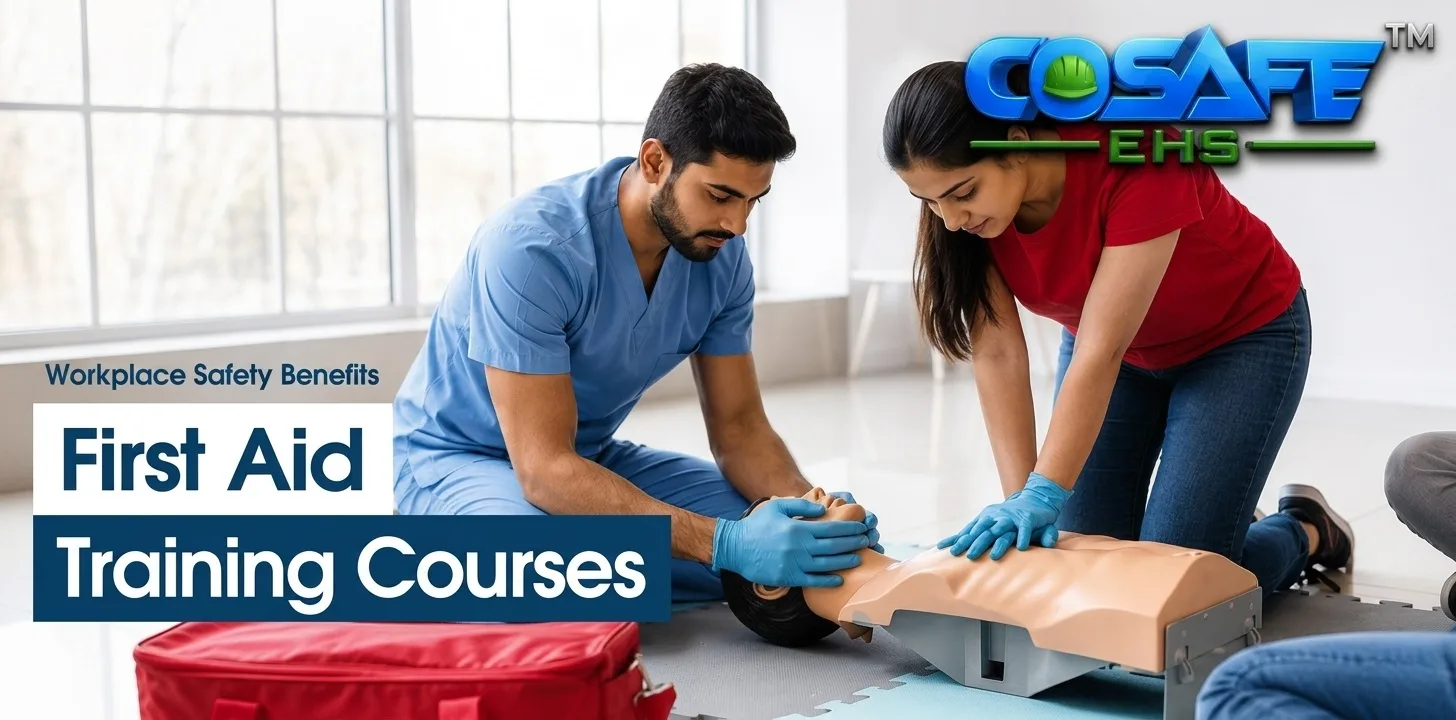
- Cardiopulmonary Resuscitation: Providing high-quality CPR training emphasizes maintaining a chest compression rate of 100–120 per minute, combined with rescue breathing.
- Automated External Defibrillator (AED) Training: Instructing core emergency response teams on how to effectively operate AEDs restores heart rhythm during sudden cardiac emergencies.
- Injury and Wound Management: Teaching practical techniques helps personnel manage severe cuts, control bleeding, handle musculoskeletal fractures, and apply proper dressings.
- First Aid for Hazardous Exposure: Addressing environmental and chemical emergencies includes managing heat stroke, chemical burns, dehydration, and electrocution.
By utilizing a tiered competency approach, businesses can ensure that all employees receive basic wound care knowledge. Meanwhile, a select group of safety officers undergoes advanced training for handling severe respiratory distress.
Why Organizations Choose CoSafe EHS and The SafeTalk Academy
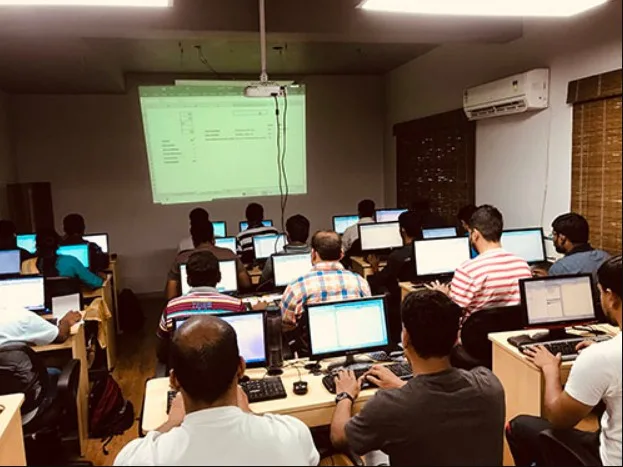
Executing a flawless corporate safety strategy requires partnering with an institution that understands both the regulatory landscape and the practical realities of industrial operations. Organizations seeking the most reputable First Aid Training in Bangalore & Hyderabad consistently turn to NCVTE government-recognized institutions like CoSafe EHS and its widely trusted legacy counterpart, The SafeTalk Academy. Conveniently operating and managing comprehensive training batches around prime industrial and corporate zones, such as the Sarjapur Main Road area, these institutions offer unparalleled, localized expertise.
Under the expert guidance of seasoned professionals like Lead Consultant Mr. S P Mahadev, the training methodology blends rigorous theoretical knowledge with immersive practical simulations. This ensures that every trainee is genuinely prepared to handle a crisis. The strategic transition to the modernized CoSafe EHS brand reflects an ongoing commitment to elevating environmental, health, and safety standards across all industrial sectors. Organizations partnering with such recognized authorities gain significant long-term operational advantages.
These premium educational programs deliver tangible benefits to the corporate ecosystem:
- Empowering the workforce with life-saving skills significantly boosts employee confidence. It also fosters a highly positive, proactive work culture.
- Guaranteeing seamless compliance with national safety laws lowers insurance and compensation costs. Furthermore, it shields the organization from devastating legal liabilities.
- Immediate medical intervention actively reduces recovery time for afflicted workers. This prevents minor workplace injuries from escalating into severe medical emergencies or fatalities.
Ultimately, an investment in comprehensive emergency readiness is an investment in human life. By equipping your team with certified, world-class instruction, you are building a resilient enterprise capable of navigating any unforeseen crisis with confidence and competence.
Are you looking to integrate these mandatory compliance modules into an upcoming safety diploma syllabus, or are you aiming to schedule specialized weekend workshops for a corporate batch?
For More Information - https://cosafe.in/life-saving-first-aid-training-course-bangalore-hyderabad