
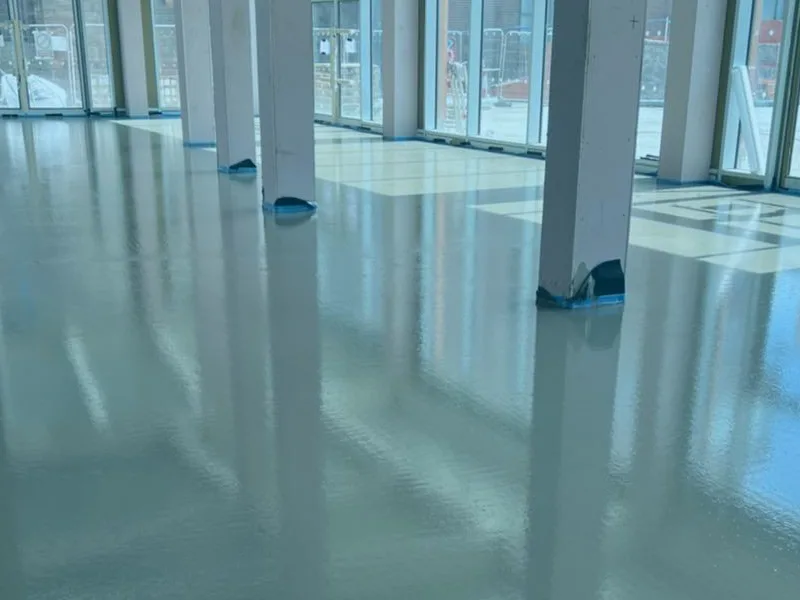
A successful screeding project begins with proper floor preparation. Before applying Flow screeding Nottingham , inspect the existing subfloor to identify cracks, uneven patches, dust, oil stains and moisture-related problems. Any defects should be addressed before installation because an unsuitable surface can affect the quality and durability of the finished floor.
The surface should be clean, stable and appropriately levelled. Depending on the floor construction, a damp-proof membrane, insulation or suitable primer may also be required. Proper preparation helps the liquid screed spread evenly and creates a reliable foundation for the final flooring.
Choose the Right Type of Flow Screed
Selecting suitable screed material is another important consideration. Different projects have different requirements depending on floor thickness, building use, expected loading and installation conditions.
Cement-based and anhydrite liquid screeds are two commonly used options. Anhydrite screeds offer excellent thermal conductivity, making them suitable for underfloor heating installations. Cement-based alternatives can be useful where particular drying requirements or moisture conditions influence material selection.
Discussing your project requirements with experienced installers can help you select an appropriate solution for residential renovations, new-build properties and commercial developments.
Consider Underfloor Heating Requirements
Flow screeding is an effective choice for projects involving underfloor heating. Its flowing consistency allows the material to surround heating pipes, helping minimise air pockets and supporting efficient heat transfer across the floor.
However, heating pipes must be correctly positioned, secured and tested before screeding begins. The screed thickness should also follow the manufacturer's recommendations and project specifications.
Once installation is complete, the heating system should not be switched on immediately. Allow sufficient curing time and follow the recommended gradual heating procedure to reduce the risk of unnecessary stress or cracking.
Understand Drying Time and Surface Preparation
Drying time is an important factor when planning subsequent construction work. Although flow screed can become suitable for light foot traffic within 24–48 hours, this does not mean it is ready for final flooring.
The actual drying period depends on screed type, thickness, ventilation and site conditions. Moisture testing should be completed before installing tiles, carpets, vinyl or wooden flooring.
Some anhydrite screeds also require laitance removal through sanding before floor coverings are fitted. Planning these additional steps helps prevent installation problems and unnecessary delays.
Cempump Offers the Best Flow Screeding Solutions in Nottingham
Choosing experienced professionals can make a significant difference to your flooring project. Cempump provides flow screeding services in Nottingham for domestic and commercial projects, covering floor areas from 10m² to 2,000m². Its specialist pumping equipment, preparation services and experienced team support efficient installation. Contact Cempump for expert advice and a competitive quotation for your next screeding project.