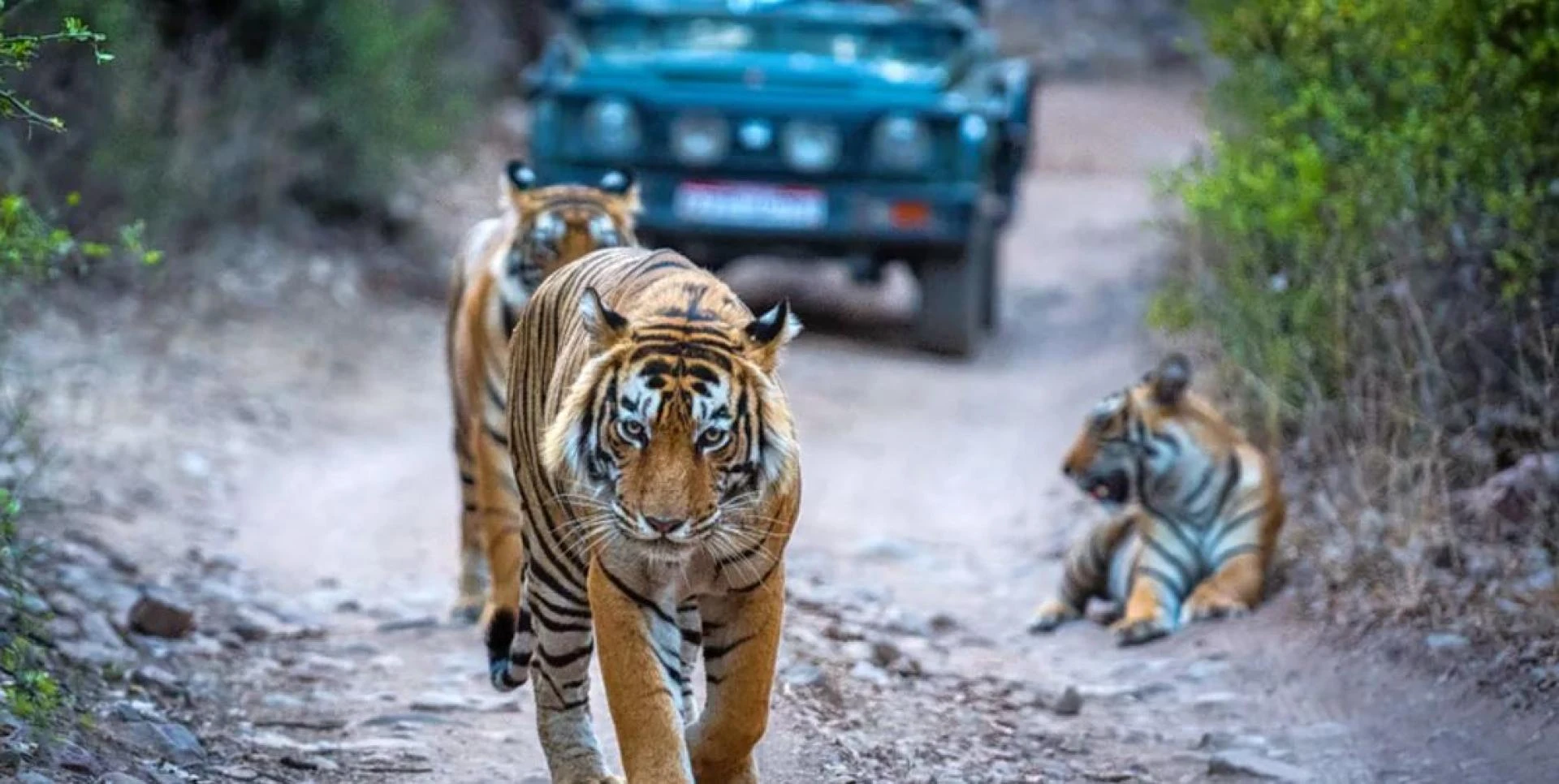
Ranthambore stands as one of the globe's most iconic wildlife destinations, drawing travelers, photographers, and nature enthusiasts to its rugged terrains year after year. The sheer thrill of tracking an apex predator through dry deciduous forests creates an unmatched sense of adventure. If you are planning a journey to this wild landscape, choosing a comfortable, locally guided resort in Ranthambore serves as the perfect base camp for your wilderness expeditions. The unique blend of natural history, rich biodiversity, and ancient heritage makes this corner of Rajasthan far more than just a standard park visit.
The Royal Bengal Tigers of Rajasthan
The primary magnet for global travelers is, without doubt, the Royal Bengal Tiger. Unlike dense tropical jungles where tracking a big cat requires immense luck, Ranthambore's open terrain offers an exceptional theater for wildlife viewing. The local tiger population has become world-famous due to its diurnal habits, meaning these majestic cats are frequently seen hunting, resting, and raising cub litters during daylight hours. Legendary tigers like Machli, the "Queen of Ranthambore," famously redefined tiger cinematography by showing how these elusive predators adapt to their environment, a legacy continued by her descendants today.
A Historic Jungle Safari Experience
Venturing into the wilderness requires structured planning through the park's designated zones. Booking a guided jungle safari in Ranthambore allows you to explore the distinct landscapes, ranging from deep rocky gorges to wide lakesides. The park is split into ten unique safari zones, each presenting a different ecological profile and territory. Traveling in an open-top gypsy or a larger canter accompanied by a certified naturalist ensures you do not just look for paw prints, but actually understand the complex ecosystem, alarm calls, and animal behaviors that tell the story of the forest.
The Stunning Backdrop of Ranthambore Fort
What truly separates this reserve from other wildlife sanctuaries across Asia is the seamless integration of history and nature. Looming high over the entire forest is the 10th-century Ranthambore Fort, a UNESCO World Heritage Site. The ancient stone walls, arches, and ruined pavilions are scattered throughout the jungle, often reclaimed by nature. It is not uncommon to witness a langur monkey perched on a historic chhatri or a leopard resting near a crumbling stone wall. This juxtaposition of ancient human history and raw wilderness creates a surreal atmosphere that photographers cherish.
Rich Biodiversity and Bird Watching Lakes
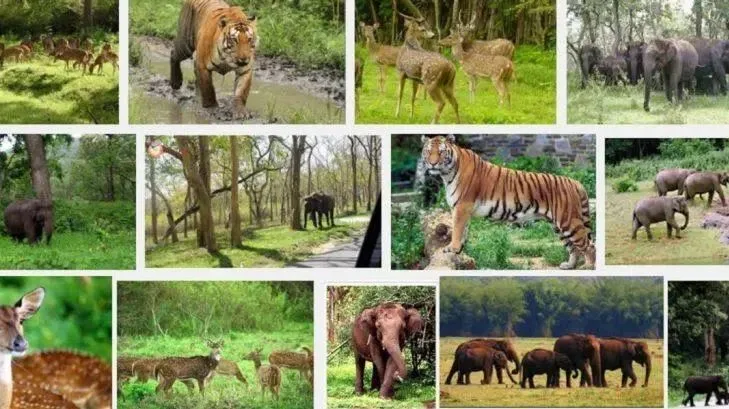
While tigers dominate the headlines, the park supports a massive web of diverse wildlife. The landscape is home to thriving populations of Indian leopards, striped hyenas, sloth bears, caracals, jackals, and marsh crocodiles. Herbivores like the sambar deer, chital (spotted deer), and nilgai roam the grasslands near the water bodies. For bird lovers, the three main lakes—Padam Talao, Raj Bagh Talao, and Malik Talao—act as vital staging grounds for migratory birds, resident waterfowls, and majestic raptors like the crested serpent eagle.
Choosing the Right Base for Exploration
An authentic wilderness trip relies heavily on your choice of stay. Securing premium, eco-friendly accommodation in Ranthambore allows you to unwind after long hours out in the dusty bush. Modern wilderness lodges focus on sustainability, blending traditional Rajasthani hospitality with top-tier comforts. Staying close to the reserve gates means you maximize your rest time between morning and evening drives, ensuring you remain energized to face the early dawn cold and the warm afternoon sun.
Cultivating Sustainable Wildlife Tourism
True travel authority and expertise come from understanding the delicate balance between tourism and conservation. Ranthambore operates under strict eco-tourism guidelines to protect its vulnerable inhabitants. Local communities, forest guards, and sustainable lodges work hand-in-hand to ensure that human footprints remain minimal while funding vital anti-poaching and habitat restoration drives. By visiting responsibly, respecting safari rules, and supporting local trackers, travelers contribute directly to the survival of the wilderness for generations to come.