The global logistics industry is undergoing a rapid digital transformation, and at the heart of this shift lies the automation of freight invoice management. As supply chains grow more complex and transaction volumes surge, businesses can no longer afford the inefficiencies of manual processing. Freight invoice automation is no longer a luxury, it is a competitive necessity.
Why Freight Invoice Automation Matters Now
Traditional freight invoice processing was a labor-intensive process plagued by human error, delayed payments, and costly discrepancies. Companies dealing with hundreds or thousands of shipments monthly found themselves buried in paperwork, struggling to reconcile carrier charges against contracted rates. Today, automation is solving these pain points at scale, enabling logistics teams to redirect their energy toward strategic decision-making rather than administrative tasks.
The stakes are high. Industry research consistently shows that a significant percentage of freight bills contain errors, overbillings, or duplicate charges. Without a robust freight bill audit process in place, businesses silently lose revenue on every invoice cycle.
Trend 1: AI-Powered Freight Bill Auditing
Artificial intelligence is fundamentally changing how companies approach freight bill auditing. Machine learning algorithms can now compare freight invoices against contracted rates, accessorial charges, and historical shipment data in real time. What once took auditors days now takes seconds.
AI-driven freight bill audit systems can detect anomalies, flag duplicate invoices, identify rate discrepancies, and predict future billing errors based on patterns. This level of precision not only protects profit margins but also builds stronger carrier relationships by ensuring accurate, dispute-free payments.
Trend 2: End-to-End Freight Bill Processing Automation
Modern logistics platforms are integrating end-to-end freight bill processing workflows that connect directly with carrier systems, ERP software, and accounting platforms. This seamless integration eliminates manual data entry, accelerates invoice approval cycles, and ensures every freight invoice is matched against the correct purchase order and shipment record.
Automated freight bill processing reduces Days Sales Outstanding, accelerates cash flow, and dramatically improves audit trail visibility making compliance and reporting far more efficient across global operations.
Trend 3: Real-Time Data Analytics and Spend Visibility
One of the most powerful benefits of freight invoice automation is the real-time visibility it provides into transportation spend. Businesses can now monitor freight costs by lane, carrier, region, or shipment type, enabling smarter negotiations and faster identification of cost-saving opportunities.
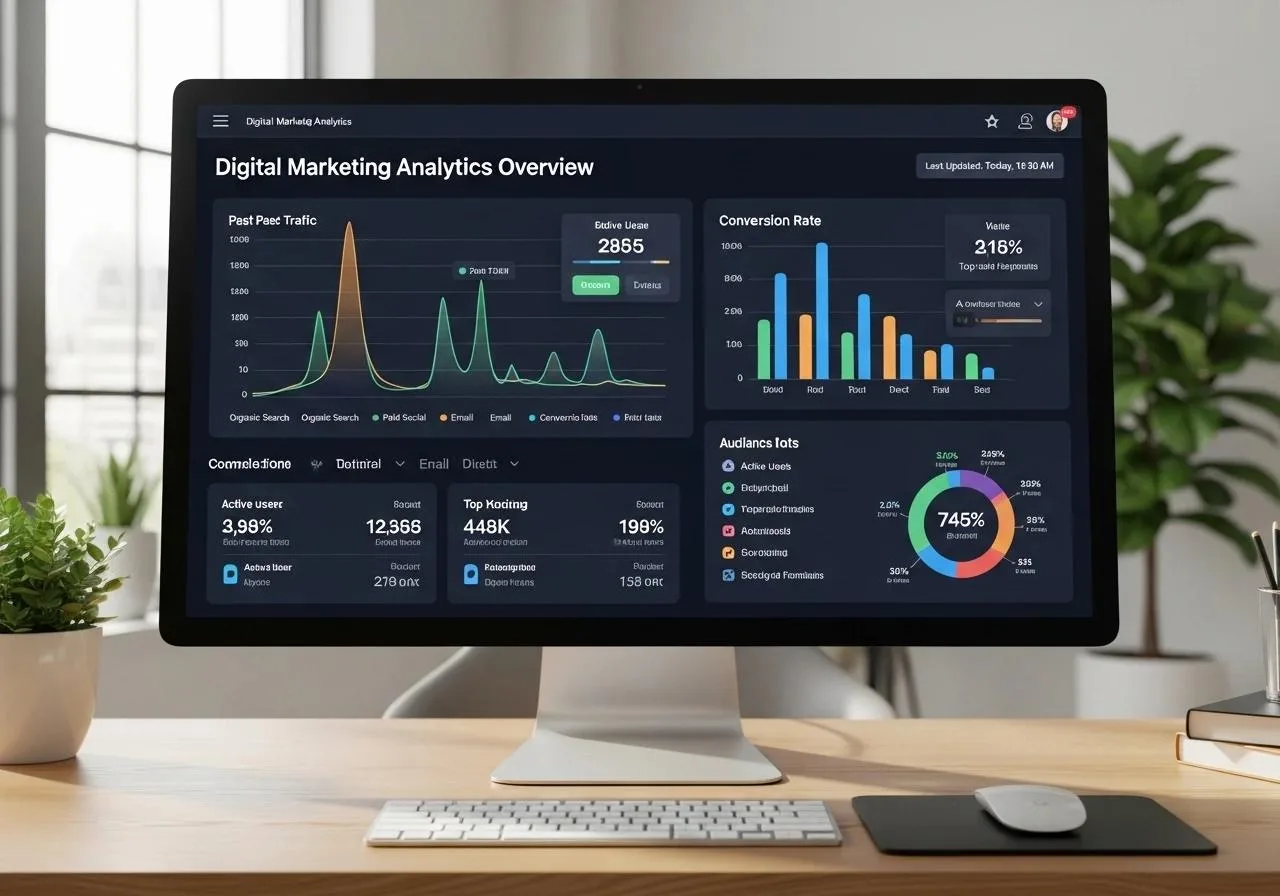
Advanced dashboards built into freight bill auditing platforms allow logistics managers to spot trends, benchmark carrier performance, and make data-driven decisions that directly impact the bottom line. In an era of rising freight rates and supply chain volatility, this intelligence is invaluable.
Trend 4: Automated Exception Management in Freight Auditing
Not every invoice follows a clean path from receipt to payment. Freight bill auditing automation now includes sophisticated exception management workflows that automatically route disputed invoices to the right teams, track resolution timelines, and document outcomes for future reference.
This structured approach to exception handling reduces resolution time significantly, prevents payment delays, and creates a valuable database of carrier billing patterns that strengthens future contract negotiations.
Trend 5: Cloud-Based and Scalable Freight Invoice Platforms
Cloud technology is making freight invoice automation accessible to companies of all sizes. Scalable, subscription-based platforms allow businesses to handle growing invoice volumes without adding headcount. Cloud-based freight bill processing also ensures global teams can collaborate in real time, with secure access to invoice data from anywhere in the world.
As businesses expand into new markets and manage increasingly diverse carrier networks, cloud platforms provide the flexibility and scalability needed to keep pace with growth.
The Future of Freight Invoice Management
The trajectory is clear. Businesses that embrace freight invoice automation today are building a measurable competitive advantage. They are reducing errors, recovering overcharges, accelerating payments, and gaining the visibility needed to navigate complex global supply chains with confidence.
Staying ahead of freight bill auditing trends is not simply about adopting new technology. It is about transforming the way your logistics operations create value.
At nVision Global, we specialize in delivering intelligent freight invoice audit and freight bill processing solutions that empower businesses to take full control of their transportation spend. Ready to eliminate billing errors and unlock meaningful cost savings? Connect with nVision Global today and discover how smarter freight bill auditing can drive real results for your business.