
Making the decision to replace refined carbs with functional superfoods is an effective way to improve your health in the long run. The problem with polished white rice is that it is a staple food for many people across the world, but it removes the outer layers that contain essential nutrients and cell defenses.
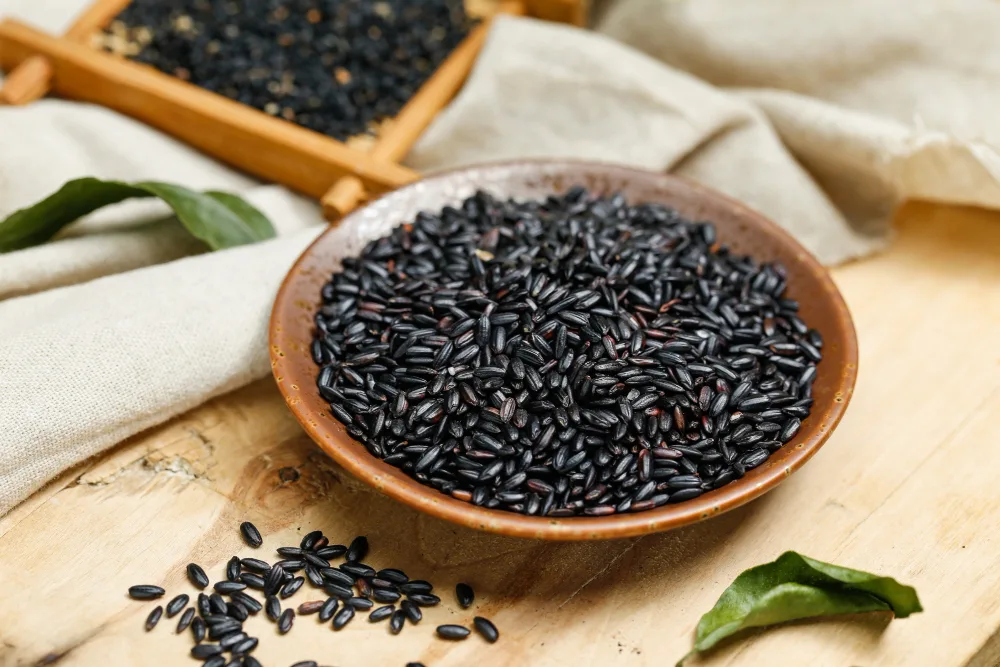
Organic Black Rice is a nutritious ancient grain that is becoming a more accessible staple food for families. Black Rice, which is often called “forbidden rice” because it was a rice reserved for royals, contains a lot of antioxidants, provides energy for a long time, and protects your heart.
Here are some reasons for making this ancient grain a part of your diet.
Antioxidants from Anthocyanins
One unique thing about black rice is that it has a beautiful purple color, which is not just something that differentiates it from other types of rice. The color comes from a lot of anthocyanins, which are strong antioxidants. Anthocyanins can be found in many dark fruits as well.
According to studies, unpolished black rice consists of a higher concentration of antioxidants than the majority of grains, with the exception of perhaps the bran layer. Antioxidants help protect against cellular damage caused by free radicals, which ultimately leads to the premature aging of the body. Due to its ability to regulate oxidative stress, black rice may also help prevent the initiation of chronic inflammation.
2. Low Glycemic Index and Metabolic Regulation
Insulin resistance and type 2 diabetes cause blood sugar levels to fluctuate frequently. High glycemic foods, such as conventional white rice, only make these problems worse. Fortunately, unpolished organic black rice behaves differently.
The outer layer of black rice is full of fiber—about 13 grams per 100 grams of rice. Because of this outer layer, the complex carbohydrates of black rice are digested slowly. This means that the release of black rice's energy to the body occurs in a slow and steady manner.
Metabolic Benefit: The slow release of energy caused by eating low glycemic black rice means that less energy is required to regulate blood sugar levels. This prevents the post-meal energy slump and provides physical energy throughout the day.
3. Protein and Iron Content
When compared to other grains, black rice also has a very high quantity of protein. Approximately 9 grams of protein is found in every 100 grams of unpolished black rice. Because protein is an important building block in the body, this could have a major impact on a person's health.
Moreover, it is a great source of non-heme iron and zinc. It is beneficial for vegetarians and those on mostly plant-based diets, as it aids in the natural production of hemoglobin, the transport of oxygen to cells, and the immune response.
4. Protection of the Heart and Regulation of Lipids
Studies on anthocyanins have shown that these compounds are beneficial to the heart. Chak hao black rice contains bran which helps maintain a healthy lipid profile by balancing cholesterol and decreasing LDL.
The anti-inflammatory properties of the bran also protect blood vessels and help maintain a healthy blood pressure.
5. Value for Your Money
Due to the unique requirements for cultivation and processing, prospective customers often wonder about the price of black rice.
That cost is typically between ₹250 to ₹350 per kilogram for certified organic, unpolished black rice. This is more expensive than other rice on the market, but the fiber and bran layers help make you feel fuller for longer. The costs for black rice are less than what you would be spending on the health costs associated with consuming other rice on the market.
Varieties Comparison: Quick Guide
Think of black rice the way you think of black tea: there are many varieties of both and they all have their unique and specialized characteristics. Here are some key differences the next time you pick some black rice at the grocery store:
Rice VarietyTexture & BodyFlavor ProfileBest Culinary UseChak-Hao PoireitonDistinctly sticky, glutinousDeeply aromatic, rich, and floralTraditional puddings, festive desserts, sweet rice cakesChak-Hao AmubiSemi-sticky, robust grainEarthy, intensely nutty, subtle sweetnessWholesome macro bowls, grain salads, savory risottosKaruppu KavuniDense, chewy, holds shapeHighly rustic, robust roasted-nut notesSouth Indian breakfast sides, porridge blends, daily table ricePreparation of Black Rice
Rice can be very tricky to prepare properly. Black rice in particular has an outer bran layer which needs to be softened with special preparation to keep the rice from being scratchy and abrasive. To properly prepare black rice, it needs to be soaked for a minimum of 6 to 8 hours. This helps reduce phytic acid and makes the rice easier to prepare.
Rice should be cooked in an open pot or heavy bottomed pan with a 1:3 ratio of rice to water. It should never be forced through a high-pressure cooker. Using a pressure cooker will ruin the rice's natural aroma and make it too mushy.
The Finishing Touch
After all the liquid is absorbed, take the pot off the flame, put the lid on, and let it stay undisturbed for ten minutes. The remaining steam will help finish the uniform plumping of the grains.
Making Organic Black Rice a staple at your dinner table means you don’t just transform your plate into something beautiful. You embrace a sustainable tradition and nourish your body with an ancient fuel.