Knee pain is one of the most common orthopedic problems affecting people worldwide. Whether caused by osteoarthritis, rheumatoid arthritis, injury, or age-related wear and tear, severe knee damage can significantly impact mobility and quality of life. When medications, physiotherapy, injections, and lifestyle changes no longer provide relief, Total Knee Replacement may become the most effective treatment option.
Modern advancements in orthopedic care have made Total Knee Replacement a highly successful procedure that helps patients regain mobility, reduce pain, and return to an active lifestyle. Understanding the benefits, surgical procedure, and recovery process can help patients make informed decisions about their treatment.
This comprehensive guide explains everything you need to know about Total Knee Replacement, including how the surgery works, who needs it, expected outcomes, and what to expect during recovery.
What Is Total Knee Replacement?
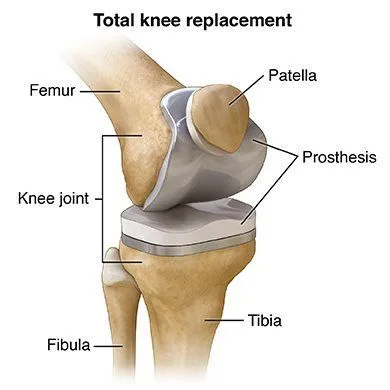
Total Knee Replacement is a surgical procedure in which damaged cartilage and bone surfaces of the knee joint are removed and replaced with artificial components called implants.
The procedure is designed to:
- Relieve chronic knee pain
- Restore joint function
- Improve mobility
- Correct deformities
- Enhance quality of life
The artificial joint is made of durable materials such as metal alloys, high-grade plastic, and specialized polymers designed to mimic the movement of a natural knee.
Many people simply refer to this procedure as knee replacement because it replaces the damaged portions of the joint with prosthetic components.
Why Is Total Knee Replacement Needed?
The knee joint experiences significant stress throughout life. Over time, cartilage can wear away, causing bones to rub against each other.
This often leads to:
- Severe pain
- Joint stiffness
- Swelling
- Difficulty walking
- Reduced flexibility
- Loss of independence
When conservative treatments fail to provide relief, doctors may recommend total knee replacement surgery as a long-term solution.
Conditions That May Require Total Knee Replacement
Several medical conditions can lead to severe knee damage.
Osteoarthritis
This is the most common reason for Total Knee Replacement. It occurs when cartilage gradually wears away due to aging and joint stress.
Rheumatoid Arthritis
An autoimmune condition that causes chronic inflammation and joint destruction.
Post-Traumatic Arthritis
Develops after fractures, ligament injuries, or significant knee trauma.
Knee Deformities
Severe bow legs or knock knees may require surgical correction.
Advanced Joint Degeneration
Patients with extensive cartilage loss and persistent pain often become candidates for surgery.
Signs You May Need Total Knee Replacement
Your orthopedic surgeon may recommend surgery if you experience:
- Constant knee pain
- Difficulty walking
- Pain during rest
- Limited knee movement
- Difficulty climbing stairs
- Failure of medications and injections
- Reduced quality of life
These symptoms often indicate advanced joint damage requiring surgical treatment.
Benefits of Total Knee Replacement
The primary goal of Total Knee Replacement is to restore pain-free movement and improve daily function.
1. Significant Pain Relief
Most patients experience substantial reduction in chronic knee pain.
2. Improved Mobility
Walking, climbing stairs, and performing daily tasks become easier.
3. Better Quality of Life
Patients often regain independence and confidence after surgery.
4. Long-Term Results
Modern implants can last for many years with proper care.
5. Improved Knee Function
The new joint allows smoother movement and enhanced stability.
6. Increased Activity Levels
Many patients return to recreational activities after recovery.
Preparing for Total Knee Replacement Surgery
Proper preparation improves outcomes and recovery.
Medical Evaluation
Before surgery, patients typically undergo:
- Physical examination
- Blood tests
- X-rays
- ECG
- Medical clearance
Lifestyle Modifications
Doctors may recommend:
- Weight management
- Smoking cessation
- Blood sugar control
- Strengthening exercises
Home Preparation
Helpful adjustments include:
- Installing support rails
- Removing loose rugs
- Organizing essential items
Preparing the home environment can make recovery safer and easier.
The Total Knee Replacement Procedure
Understanding the procedure helps reduce anxiety before surgery.
Step 1: Anesthesia
The surgery begins under spinal or general anesthesia.
Step 2: Incision
A surgical incision is made over the knee joint.
Step 3: Removal of Damaged Tissue
The surgeon removes damaged cartilage and bone surfaces.
Step 4: Implant Placement
Artificial components are positioned carefully to restore joint function.
Step 5: Testing Joint Movement
The surgeon checks:
- Alignment
- Stability
- Range of motion
Step 6: Closure
The incision is closed, and the recovery process begins.
Many patients undergoing tkr surgery are surprised by how quickly rehabilitation starts after the procedure.
Components Used in Knee Replacement
A knee implant generally includes:
Femoral Component
Replaces the lower end of the thigh bone.
Tibial Component
Replaces the upper portion of the shin bone.
Polyethylene Insert
Provides smooth movement between metal components.
Patellar Component
May be used to resurface the kneecap when necessary.
Together, these parts recreate natural knee motion.
What Happens Immediately After Surgery?
Recovery begins shortly after surgery.
Patients are encouraged to:
- Move the ankle and foot
- Sit up in bed
- Stand with assistance
- Begin walking
Early movement helps improve circulation and reduces complications.
Knee Replacement Surgery Recovery Time
One of the most common patient concerns is knee replacement surgery recovery time.
Although recovery varies, most patients follow a general timeline.
Recovery MilestoneEstimated TimelineStanding and walking with support1–2 daysHospital discharge2–5 daysWalking independently4–6 weeksReturn to daily activities6–12 weeksFull recovery3–6 monthsUnderstanding realistic expectations helps patients remain motivated during rehabilitation.
Physiotherapy After Total Knee Replacement
Rehabilitation is critical for successful recovery.
Physiotherapy focuses on:
- Strengthening muscles
- Improving flexibility
- Restoring mobility
- Enhancing balance
Patients who consistently follow therapy programs generally achieve better outcomes.
Before and After Knee Replacement Surgery
Many patients notice dramatic improvements before and after knee replacement surgery.
Before Surgery
Patients often experience:
- Severe pain
- Joint stiffness
- Difficulty walking
- Limited independence
After Recovery
Patients frequently report:
- Reduced pain
- Improved mobility
- Better sleep
- Enhanced quality of life
The transformation can be significant when surgery and rehabilitation are successful.
Knee Operation Success Rate
Patients often ask about the knee operation success rate.
Modern knee replacement surgery has a very high success rate, with most patients experiencing:
- Long-term pain relief
- Improved function
- Better mobility
- Increased activity levels
Advancements in implant technology and surgical techniques continue to improve outcomes.
Total Knee Replacement Cost in India
The total knee replacement cost in india varies depending on several factors:
- Hospital infrastructure
- Implant type
- Surgeon expertise
- City location
- Room category
- Medical complexity
Patients should discuss detailed cost estimates with their healthcare provider before treatment.
Choosing the Right Hospital
Selecting the right hospital is one of the most important decisions.
Many patients look for the Best Hospital for Total Knee Replacement to ensure access to:
- Advanced technology
- Experienced orthopedic specialists
- Comprehensive rehabilitation
- Personalized care
Choosing a facility with a strong orthopedic program can improve overall outcomes.
Patients often seek treatment at a top orthopedic hospital in india because specialized centers provide advanced surgical expertise and rehabilitation support.
Importance of an Experienced Surgeon
The skill of the surgeon significantly influences results.
Many patients search for the best knee replacement surgeon in delhi ncr because experienced specialists can:
- Improve surgical precision
- Reduce complications
- Optimize implant positioning
- Support smoother recovery
Surgeon experience remains one of the most important factors in successful treatment.
Total Knee Replacement Surgery in Haryana
Patients seeking Total Knee Replacement Surgery in Haryana now have access to advanced orthopedic facilities equipped with modern technology and comprehensive rehabilitation programs.
Many hospitals offer:
- Advanced surgical techniques
- Experienced orthopedic teams
- Physiotherapy services
- Personalized treatment plans
Access to quality orthopedic care has significantly improved patient outcomes across the region.
Risks and Complications
Although Total Knee Replacement is generally safe, every surgery carries potential risks.
Possible complications include:
- Infection
- Blood clots
- Implant loosening
- Joint stiffness
- Nerve injury
- Persistent pain
Proper postoperative care helps reduce these risks.
Long-Term Care After Surgery
To maximize implant longevity:
Maintain a Healthy Weight
Excess weight increases stress on the knee.
Stay Active
Regular low-impact exercise improves joint health.
Follow Medical Advice
Attend scheduled follow-up appointments.
Continue Strengthening Exercises
Strong muscles provide support and stability.
Conclusion
Total Knee Replacement remains one of the most effective treatments for severe knee arthritis and chronic joint pain. The procedure offers substantial pain relief, improved mobility, enhanced quality of life, and long-term functional benefits.
Understanding the procedure, recovery process, and expected outcomes helps patients prepare for treatment and rehabilitation. Whether researching total knee replacement surgery, learning about knee replacement surgery recovery time, comparing before and after knee replacement surgery, or exploring options for Total Knee Replacement Surgery in Haryana, informed decision-making is essential.
By choosing the Best Hospital for Total Knee Replacement, consulting the best knee replacement surgeon in delhi ncr, and following a dedicated rehabilitation program, patients can achieve excellent outcomes and enjoy a more active, pain-free future.