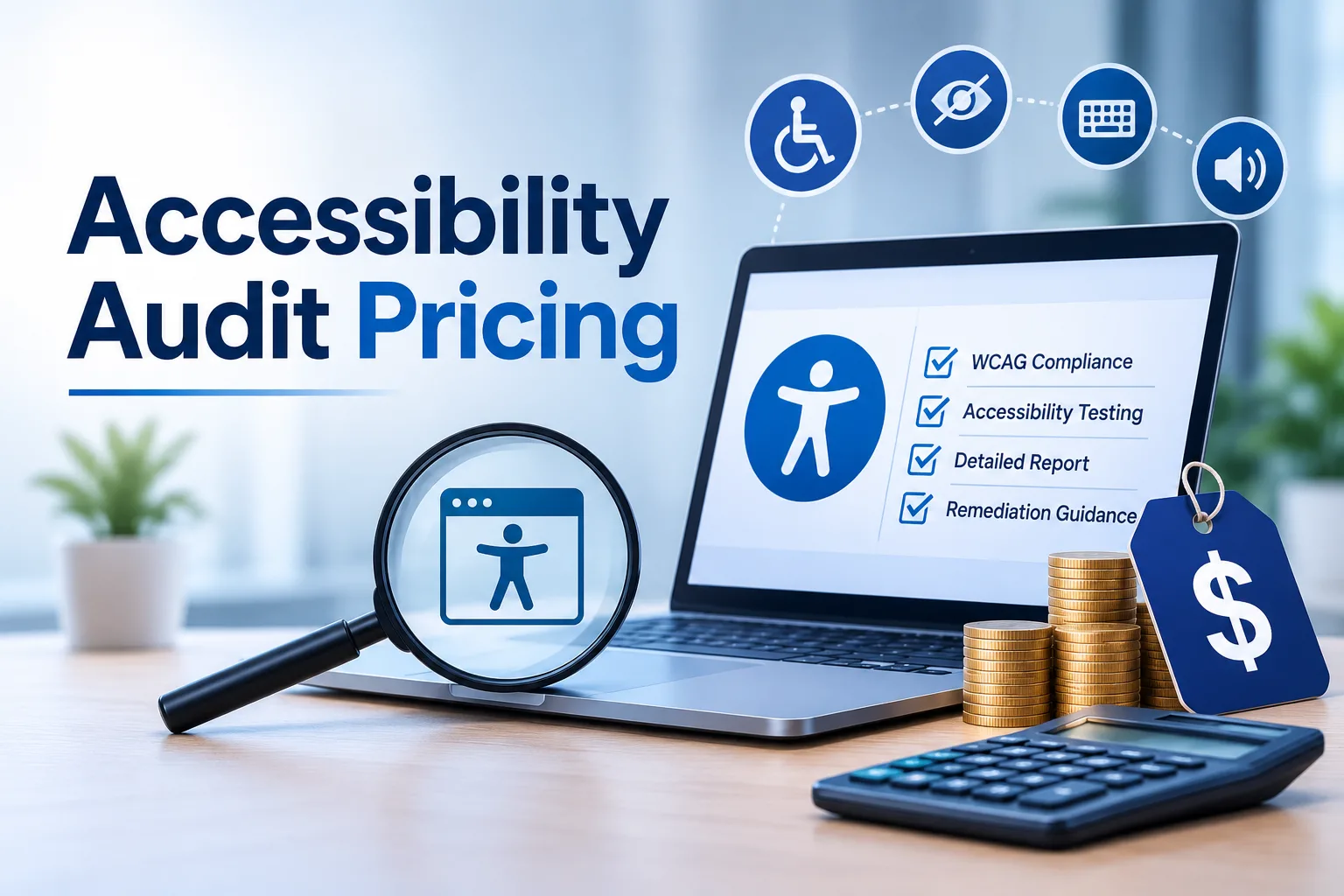
Accessibility audit pricing is shaped mainly by the size, complexity, and testing depth of the digital product under review. A simple brochure website costs far less to evaluate than a large application with dashboards, custom widgets, and several user roles. Providers usually quote based on the number of unique templates, the methods used, and the detail of the final report. Understanding these drivers helps you budget realistically and compare offers fairly.
What Does an Accessibility Audit Actually Involve?
An accessibility audit is a structured review of a website, app, or document set against recognized standards such as the Web Content Accessibility Guidelines. Specialists combine automated scanning with keyboard checks, screen reader sessions, and manual inspection to find barriers that affect people with visual, auditory, motor, and cognitive disabilities. Automated tools miss many problems, so human expertise is where most of the accessibility audit cost comes from.
What Factors Influence Accessibility Audit Cost?
Scope and Template Variety
Unique templates matter more than total page count. A large store may reuse the same product layout across thousands of pages, so auditors test representative samples. A web application with many screens, modals, and workflows demands far more effort.
Technical Complexity
Carousels, custom dropdowns, data tables, charts, video players, and single page application behavior all need careful testing with assistive technology. Static content pages are quick to review, while rich interfaces require repeated testing across scenarios.
Conformance Target
Testing toward a baseline level involves fewer checks than aiming for the highest practical level. Organizations seeking ADA compliance audit services often need reports that map every finding to a specific success criterion, which adds documentation time.
Testing Methodology
A scan-only review is inexpensive but shallow. A hybrid review blending automation, manual inspection, and assistive technology testing costs more but produces dependable results. Sessions with real users who have disabilities add further depth and expense.
Reporting and Retesting
Basic reports list issues. Premium reports include screenshots, code references, severity ratings, and fix guidance for developers. Always confirm whether verification after fixes is included or billed separately.
Platforms Covered
A website, an iOS app, and an Android app each need their own testing track because screen readers and gestures differ across platforms.
How Do Accessibility Audit Services Structure Their Quotes?
Providers typically choose between a fixed fee, an hourly rate, or an ongoing retainer. Fixed fees suit well-defined projects, hourly billing suits uncertain scope, and retainers suit teams that ship updates often.
Consider an online retailer with a homepage, category listings, product pages, a cart, and a checkout. The auditor tests each template with a keyboard and a screen reader, then documents the findings. Now compare a banking portal with login, authentication prompts, account dashboards, transfer forms, and downloadable statements. Even with a similar page count, the portal needs deeper testing of error messages, session timeouts, and form validation, so the quote rises accordingly.
What Should You Look for in an Accessibility Audit Company?
Choosing an accessibility audit company purely on the lowest quote often backfires. A cheap report built mostly on automated output leaves real barriers hidden, and you may pay again for a repeat audit later. Look for certified professionals with hands-on testing experience, a transparent methodology, sample reports that show the level of detail you will receive, developer support during remediation, and clear terms for follow-up questions. Ask how the vendor handles custom widgets and embedded third party content, because the answer reveals genuine depth.
How Can You Lower Costs Without Sacrificing Quality?
Preparation is the most effective lever. Share a clear inventory of templates and user journeys so auditors do not spend billable time discovering them. Fix obvious problems such as missing alternative text and broken heading structure beforehand, and run regular self-checks with the Tranistics Data Technologies accessibility checker tool to catch common errors early. Auditing during design is also far cheaper than rewriting navigation after launch.
Frequently Asked Questions
What is the biggest driver of accessibility audit pricing?
Template variety and interactive complexity have the largest impact. Consistent, simple sites cost less than feature-rich applications.
Are ADA compliance audit services worth the investment?
Yes. A thorough audit reduces legal exposure, improves usability for everyone, and widens your audience. Fixing issues proactively is almost always cheaper than responding to complaints.
How often should an audit be repeated?
Schedule a full audit before major launches or redesigns, then review whenever significant features are added. Continuous monitoring between audits stops new issues from piling up.
Take the Next Step Toward an Accessible Experience
Accessibility is not a one-time expense. It is an ongoing commitment that protects your users and your brand. Define your scope, gather your templates, and request detailed quotes that spell out exactly what is included. Then act on findings quickly so your investment becomes real improvement.
Ready to understand what your audit will involve? Contact Tranistics Data Technologies Private Limited today for expert guidance, transparent proposals, and dependable support. Our team helps businesses build inclusive digital experiences that meet standards and welcome every visitor. Request your consultation now and make accessibility a strength of your brand.