Wind is invisible, turbulent, and notoriously hard to measure with the precision modern energy and research systems demand, and that's the core challenge that every meteorologist, wind farm engineer, and quantum physicist eventually runs into. The good news is that the solution lies in a single, elegant piece of engineering.
At its core, Doppler wind LiDAR achieves its remarkable accuracy not just through complex software, but also through the stability and remarkable accuracy of the laser source that's driving it.
Why Should You Go for a LiDAR System?
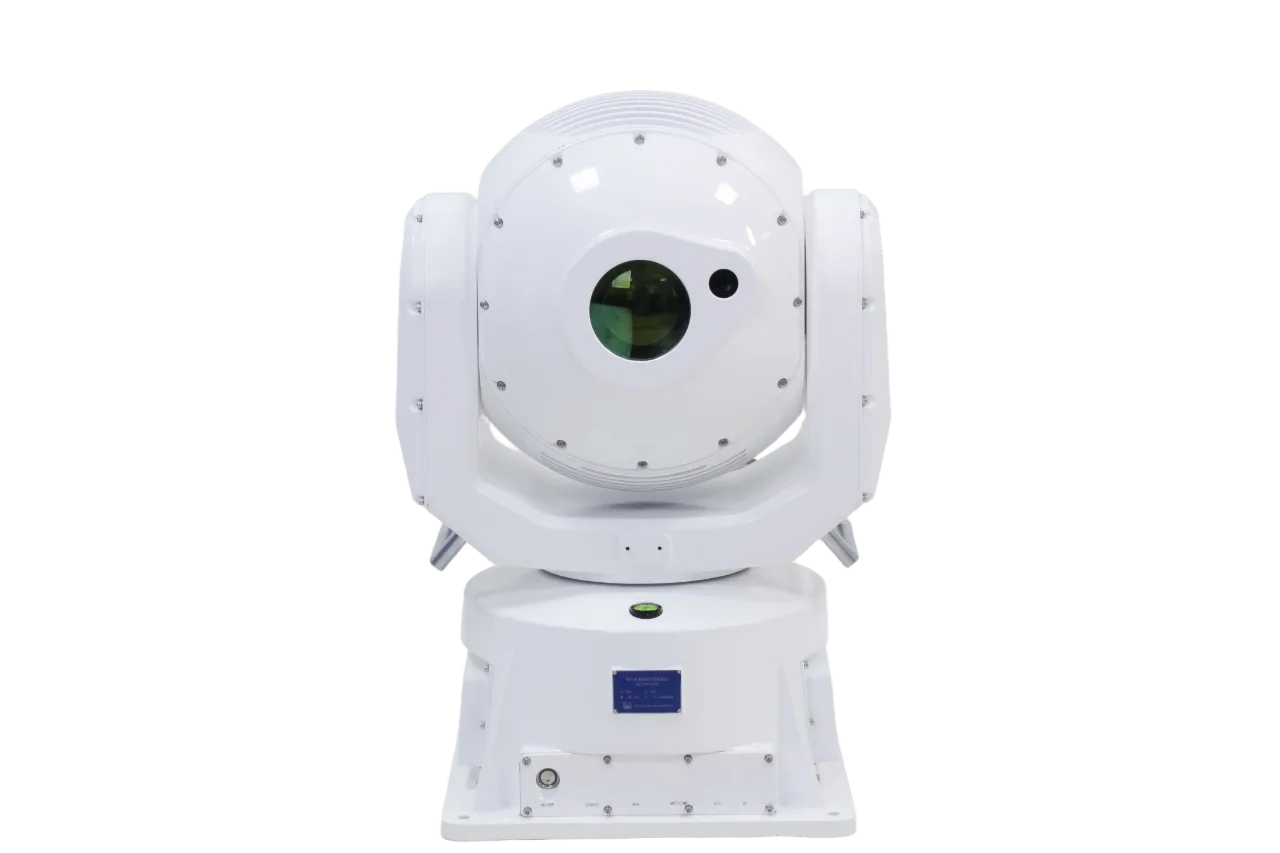
A wind LiDAR system fires a beam into the atmosphere, waits for it to scatter off aerosols, and measures the tiny frequency shift caused by moving air; that's the Doppler effect. That shift is minuscule, often just a megahertz, and to detect it reliably, you need a laser source with an incredibly narrow linewidth and rock-solid frequency stability.
This is where fiber laser technology takes center stage. Unlike bulk solid-state designs, fiber-based designs offer better beam quality, thermal stability, and long-term reliability, which are all essential when your lab is a turbine nacelle exposed to vibration, temperature swings, and years of continuous duty.
PM Fiber Lasers: The Backbone of Coherent Detection
Polarization matters more than people realize in coherent detection systems. If polarization drifts, signal-to-noise ratio collapses, and your wind measurements get noisy or simply wrong. That's why a PM single-frequency fiber laser, polarization-maintaining by design, is the preferred seed source for coherent Doppler LiDAR. It keeps the output polarization locked, delivers kHz-level linewidths, and maintains coherence over the long optical paths needed for kilometer-range wind sensing. You can explore how these lasers are engineered on LiDAR Laser's PM single-frequency fiber laser lineup, which covers wavelengths built specifically for precision sensing.
Beyond Wind: Frequency-Locked Lasers for Atomic Precision
Interestingly, the same core engineering discipline extends into quantum research. A frequency locked 852nm laser, referenced to a cesium atomic transition, is used for Rydberg atom manipulation, cold atom trapping, and precision metrology, which proves that narrow-linewidth photonics isn't a one-trick technology; it's a foundation spanning meteorology, defense, and fundamental physics. To further clear things up, here's a clear table on what makes these lasers different:
Laser Type Core Strength Primary Use
PM Single Frequency Fiber Polarization stability, narrow Coherent wind LiDAR
Laser linewidth
Frequency-Locked 852nm Atomic-referenced frequency Quantum research,
Laser stability metrology
Standard Fiber Laser Cost-effective, general purpose Non-coherent sensing
Why This Matters for Real-World Deployment
A single unstable laser can quietly degrade an entire LiDAR system's accuracy, which is costly when you're optimizing turbine yield or forecasting wind resources. According to the U.S. Department of Energy's 2022 assessment, offshore wind resource potential in the U.S. alone reaches roughly between 2.2 and 15.1 terawatts combined across fixed-bottom and floating technologies, which is a scale that makes measurement precision non-negotiable (source: energy.gov).
The Bottom Line
Precision wind sensing isn't just about clever algorithms; it starts with a laser that doesn't drift, doesn't wander in polarization, and doesn't quit in harsh field conditions.
Ready to build a more precise wind LiDAR system? Connect a professional engineering for a bespoke laser specification customized for your project, and get a response instantly!