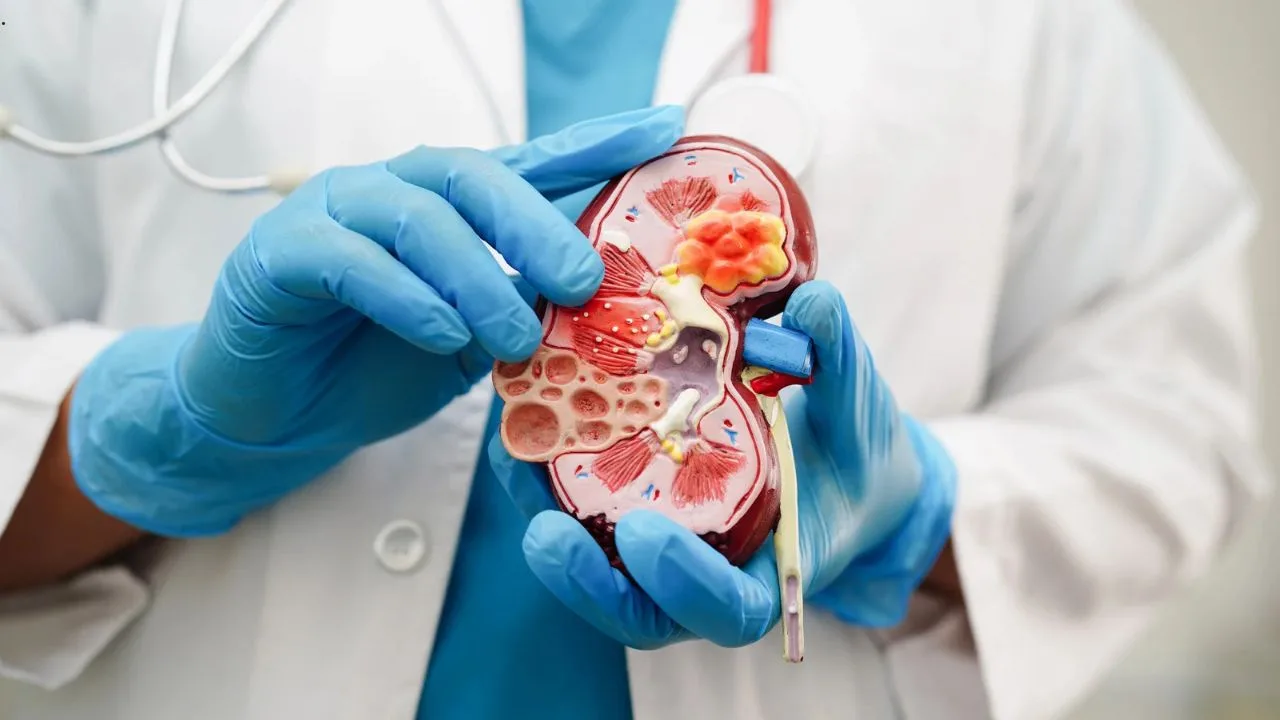
The importance of kidney health cannot be overemphasized due to the function of these organs in cleaning blood from waste products and excess water. The most significant test in the analysis of kidney health is the estimated glomerular filtration rate, or eGFR. Low levels of eGFR may be associated with reduced kidney filtration and are the key factors that require further medical attention.
It can be helpful for people who live in the USA and UK to know what the low levels of eGFR mean, what could have caused this problem, and what risks are involved. MediLux Ayurveda promotes a holistic approach to kidney health and individualized treatment with Ayurveda, but encourages you to consult qualified specialists.
What Is eGFR?
The estimated glomerular filtration rate, abbreviated as eGFR, refers to the approximate value of how effectively the kidneys filter blood. This measurement is normally done based on the patient's blood creatinine level plus other determinants. Since the eGFR is just an estimate and not an actual measurement, health practitioners normally review other test results together with eGFR.
In most cases, the normal value of eGFR is considered as 90 and above while low values suggest possible impairment of the kidneys. Having low eGFR does not necessarily mean that someone has CKD since the diagnosis must involve other test results. In most instances, having an eGFR of less than 60 for more than three months indicates the presence of CKD while eGFR of above 60 still shows possible kidney damage.
What Does a Low eGFR Mean?
A low eGFR indicates that the kidneys may not be able to filter the blood effectively as compared to what was anticipated. The importance of the result will be based on the patient’s age, health status, urine tests, previous eGFR results, and others.
In this regard, for instance, eGFR values of 45 to 59 are normally considered CKD 3a, while 30 to 44 represent 3b, 15 to 29 represent 4 and below 15 represent stage 5. These stages need to be evaluated in relation to other aspects besides being considered independently.
Finally, it is imperative to note that there is always a decrease in eGFR as age advances, and therefore, when one gets a low result at old age, this does not necessarily mean that it has the same significance as when the same result is obtained in a young individual.
Common Causes of Low eGFR
1. Chronic Kidney Disease
Chronic kidney disease is among the several possible causes of persistent reduced eGFR. Chronic kidney disease may be gradual in nature whereby the damage to the kidney may be slow. In the case of chronic kidney disease, its symptoms are hard to detect; therefore, it is important that those at higher risk get themselves tested.
2. Diabetes
One of the most common causes of CKD in adults is diabetes. When there is increased sugar level in the body over time, it leads to damage to the tiny structures of the kidney which help in the filtering process. Consequently, this may make it difficult for the kidneys to filter out waste products from the blood.
It is important that diabetic patients have their kidneys checked often especially when blood sugar levels have not been well controlled.
3. Hypertension
Elevated blood pressure is capable of damaging the blood vessels and filtering parts in the kidneys. At the same time, the malfunctioning kidneys cannot regulate the blood pressure effectively, and this creates a vicious circle that can lead to the additional harm done to the kidneys.
The maintenance of healthy blood pressure is thus one of the major ways of ensuring proper kidney function.
4. Acute Renal Failure
Kidney function impairment in acute kidney failure, which is the rapid onset of impaired functioning of the kidneys, may temporarily lower the value of eGFR. Acute kidney failure may occur due to severe dehydration, illness, infection, inadequate blood flow to the kidneys, or medications harmful for kidneys’ functioning.
Renal function may improve when the main cause is treated.
5. Other Kidney Diseases
There are a number of kidney diseases that may impair filtration. This list includes various forms of glomerulonephritis, including IgA nephropathy, certain inherited kidney diseases, polycystic kidney disease, complicated kidney stones, among others.
It is necessary to determine the cause since the treatment will depend on the type of the kidney disease.
Risk Factors for a Low eGFR
However, there are some people who are at a higher risk of developing impaired renal functioning. The risk factors involved include the following:
- Diabetes
- Hypertension
- Cardiovascular disease
- Older age
- A family history of kidney problems or failure
- Obesity
- A previous episode of AKI
- Autoimmune or genetic disorders
- Ingestion of certain medicines/toxins which may harm the kidneys
As per National Institute of Diabetes and Digestive and Kidney Diseases, some of the important CKD risk factors are diabetes, hypertension, and cardiovascular disease.
Why Urine Testing Matters
The finding of eGFR is essential to understand, but it is not the only test that healthcare practitioners conduct in order to evaluate kidneys’ function. A urine albumin to creatinine ratio (uACR) is a test that can reveal whether there is an albumin in the urine, and thus indicate kidney injury.
Furthermore, healthcare specialists might recommend conducting other kinds of tests based on a patient’s symptoms and medical history.
Can You Support Kidney Health Naturally?
The promotion of health is one of the strategies that can be applied to address the risk factors associated with the kidneys. Eating healthy, being of the right weight, engaging in physical activities, blood pressure control, blood glucose control, and abstaining from medications that could affect the kidney negatively can contribute to good health.
In MediLux Ayurveda, the concept of kidney health entails personalization of the Ayurveda, proper diet, living style support, and taking into account the health status of the patient. Personalized Ayurveda should be based on the status of the individual and should be applied with caution in combination with medical checkup.
Patients with low eGFR should not discontinue their medications and dialysis without consulting their doctor.
When Should You Seek Medical Advice?
If one’s eGFR comes out abnormally low, it will be necessary to consult with a healthcare professional in order to conduct further tests that will help determine whether it is a temporary condition or whether it will lead to the continuous deterioration of the kidney’s functions.
People who have been diagnosed with diabetes, hypertension, cardiovascular diseases, and people from families with a history of kidney diseases should pay extra attention to conducting kidney tests in time.
Conclusion
However, there is an urgent need to understand that low eGFR is significant in terms of renal function. Low eGFR is usually associated with diabetes, hypertension, chronic kidney diseases, acute kidney injury, and some other kidney conditions. Other health conditions, such as age-related factors, genetic predispositions, cardiovascular well-being, and even people's lifestyles, may affect their kidney well-being.
It is really essential to know about one's own eGFR and monitor possible changes in order to be aware of how to take care of kidneys properly. The specialists from the MediLux Ayurveda try to help those people who require special individual treatment with Ayurveda.