Creating a home theatre is a great way to enjoy movies, sports, and entertainment at home. Many people start planning a home theatre installation project without fully understanding what affects the overall cost. The total expense can vary depending on several factors, including the room setup, equipment choices, and installation requirements. Understanding these factors can help homeowners make informed decisions and plan their budget more effectively.
Room Size and Layout
One of the biggest factors that affects the cost of a home theatre project is the size and layout of the room. A larger room often requires more speakers, a bigger display, and additional equipment to provide balanced sound and clear visuals throughout the space.
The shape of the room also plays an important role. Rooms with unusual layouts may need extra planning to achieve proper speaker placement and viewing angles. In some cases, adjustments to furniture placement or room design may be needed to improve the overall experience.
Display Equipment Selection
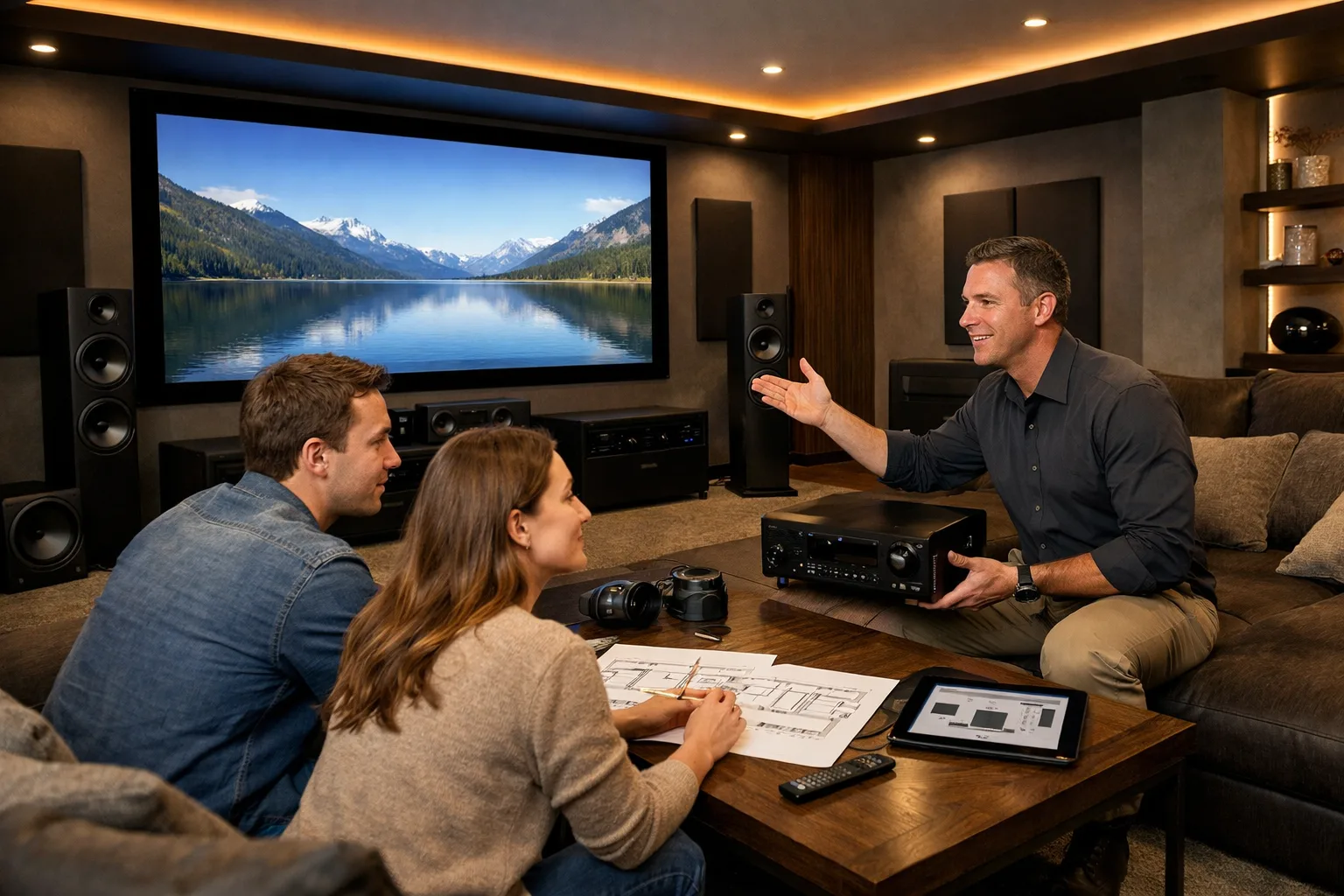
The display is often one of the most noticeable parts of a home theatre system. Homeowners can choose between large televisions and projector systems. The choice depends on room size, viewing preferences, and available space.
Larger screens generally cost more than smaller ones. Projector systems may also require a projection screen, mounting hardware, and additional setup work. The quality of the display, such as resolution and image performance, can also influence the total project cost.
Audio System Requirements
Sound quality is a major part of any home theatre experience. Audio systems can range from simple soundbars to advanced surround sound setups with multiple speakers.
More speakers usually mean higher equipment and installation costs. Speaker placement may require additional wiring and mounting work. Some homeowners also choose in-wall or in-ceiling speakers, which may involve more detailed installation compared to standard speaker setups.
Selecting the right audio system depends on room size, listening preferences, and the desired entertainment experience.
Wiring and Cable Installation
Every home theatre system requires proper cable management. Wiring is necessary to connect displays, speakers, media devices, and network equipment.
In some homes, cables can be installed easily. In others, installers may need to route wiring through walls, ceilings, or floors. This process can increase labor requirements and affect the overall project budget.
Good cable management not only improves appearance but also helps maintain system performance and organization.
Mounting and Equipment Placement
The placement of equipment can also influence installation costs. Wall-mounted televisions require mounting brackets and secure installation methods. Projectors may need ceiling mounts and precise alignment for proper image quality.
Speakers, media players, and receivers must be positioned carefully to provide the best performance. The more complex the equipment placement, the more installation time may be required.
Proper positioning helps ensure comfortable viewing and balanced sound throughout the room.
Smart Home Integration
Many modern home theatres are connected to smart home systems. Users may want to control lighting, audio, video, and other functions through a single app or remote control.
Adding automation features can increase the complexity of the project. Integration often requires additional devices, programming, and configuration work.
While smart controls can improve convenience, they may also contribute to the overall installation cost depending on the level of customization needed.
Room Acoustics and Sound Treatment
The room itself can affect sound performance. Hard surfaces such as glass, tile, and bare walls may create echoes and reduce audio clarity.
To improve sound quality, some homeowners add acoustic panels, carpets, curtains, or other sound treatment materials. These additions can help create a more enjoyable listening environment.
The amount of acoustic treatment required will depend on the room's design and the desired audio performance level.
Furniture and Seating Choices
Comfortable seating is another consideration in a home theatre project. Seating options range from standard sofas to dedicated theatre chairs designed for long viewing sessions.
The number of seats, materials used, and seating arrangement can affect the overall budget. Some homeowners also include features such as recliners, cup holders, and storage compartments.
Choosing seating that fits both the room and viewing needs can help create a more enjoyable entertainment space.
Installation Labor and Project Complexity
Labor costs can vary based on the complexity of the project. Simple setups generally require less time, while larger systems with multiple components may need detailed planning and installation.
Projects involving hidden wiring, custom cabinetry, smart controls, or specialized equipment often require additional work. The experience and expertise needed for these installations may also influence labor expenses.
Careful planning before starting the project can help reduce unexpected costs and installation challenges.
Customization and Future Expansion
Some homeowners prefer basic systems, while others want customized home theatres designed around specific preferences. Custom features such as decorative lighting, specialized seating layouts, and unique room designs can increase project costs.
It is also helpful to think about future upgrades. Planning for additional speakers, larger displays, or new technologies can make future improvements easier and more cost-effective.
By understanding these factors, homeowners can better prepare for a successful home theatre installation project that matches both their entertainment goals and available budget.