
Adapting to a Shifting Career Landscape: The Stakes Are Higher Than Ever
Imagine Sarah, a mid-level project manager in the tech sector, who just received a layoff notice despite her stellar performance. What went wrong? The pandemic-era remote work boom has given way to AI-driven automation, and companies are aggressively restructuring. In 2026, career stability is increasingly elusive. According to recent labor market analytics, over 40% of jobs in the US have transformed fundamentally in the past three years, demanding new skills and adaptability. The days when a single degree or skill set guaranteed lifelong employment are fading fast.
This reality confronts millions worldwide, making career advice more crucial than ever. How does one navigate this turbulence? What strategies separate those who thrive from those who stagnate or fall behind? This article provides a comprehensive, data-backed guide to mastering your career in 2026’s volatile job environment.
From Stability to Flux: Understanding the Evolution of Career Dynamics
The traditional career model—linear progression within a single company or industry—has eroded significantly over the past decade. Factors contributing to this shift include rapid technological advancements, globalization, and changing workforce demographics. The rise of generative AI, advanced robotics, and platform economies has disrupted sectors from manufacturing to finance.
Moreover, employee expectations have evolved. A 2025 Gallup survey found that 65% of workers prioritize meaningful work and learning opportunities over salary. This cultural shift coincides with the rise of gig, freelance, and portfolio careers, which now account for approximately 35% of the global workforce, according to the International Labour Organization.
Understanding these forces is essential. The job market is no longer about finding a secure position but about continuous reinvention. As How to Strengthen Career Resilience in Today’s Unpredictable US Job Market highlights, resilience and adaptability have replaced loyalty and tenure as the core currency of career success.
Data-Driven Career Strategies: What the Numbers Reveal
Data from multiple sources including the Bureau of Labor Statistics and Pew Research Center reveal key trends shaping career success:
- Skill diversification is critical: Workers who possess skills in at least two distinct domains have a 27% higher chance of upward mobility.
- Continuous learning pays off: Employees engaging in ongoing education report a 22% higher income increment over three years.
- Networking remains invaluable: 70% of new jobs are found through professional connections.
- Digital literacy is non-negotiable: Nearly every job requires proficiency in digital tools, with AI literacy increasingly demanded.
- Emotional intelligence enhances leadership prospects: Executives with high EQ outperform peers by 15% in team productivity.
These insights underscore that mastering career growth requires more than traditional credentials. It demands strategic investment in learning, skill-building, and relationship cultivation.
"In 2026, career success is less about what you know and more about how quickly you can learn and adapt." — Career Analyst, TheOmniBuzz
2026 Career Advice: Navigating New Challenges and Opportunities
The current year brings unique developments reshaping career advice. Remote and hybrid work models are now standard, but with hybrid work, competition is globalized. Companies hire talent based on skills, not geography, intensifying competition but also opening more opportunities.
Additionally, AI augmentation tools are becoming workplace staples. Employees adept at leveraging AI for productivity and creativity gain a competitive edge. However, this requires proactive learning and openness to technological adoption.
Another emerging trend is the growing importance of personal branding. In an oversaturated talent market, professionals who cultivate a distinct online presence—via LinkedIn, industry forums, or even niche networks—are more visible to recruiters and collaborators.
Finally, mental health and well-being have become pivotal. Companies increasingly value employees who demonstrate resilience and emotional balance. Investing in self-care and stress management is now integral to sustaining career momentum.
"Your career is now a lifelong project requiring agility, tech savvy, and a strong personal brand." — HR Director, Fortune 500 company
Real-World Examples: Career Reinvention in Action
Consider the case of Jamal, a former print journalist who transitioned to data storytelling. Recognizing the decline of traditional media jobs, he enrolled in data analytics courses and cultivated a network of professionals in tech and marketing. Within two years, Jamal secured a role at a leading AI startup, combining his writing skills with new technical expertise.
Similarly, Priya, a retail manager displaced by automation, pivoted by acquiring certifications in supply chain management and digital logistics. Her proactive approach led her to a senior position at a multinational e-commerce firm.
These stories illustrate the power of deliberate career management and continuous learning, echoed in Career Advice in 2026: Navigating Change with Data-Driven Strategies. They demonstrate that adaptability and strategic skill acquisition are not abstract ideals but practical imperatives.
Actionable Takeaways: Building Career Resilience and Growth
To thrive amid uncertainty, professionals should consider these evidence-based strategies:
- Commit to lifelong learning: Choose courses and certifications aligned with industry trends and your career goals.
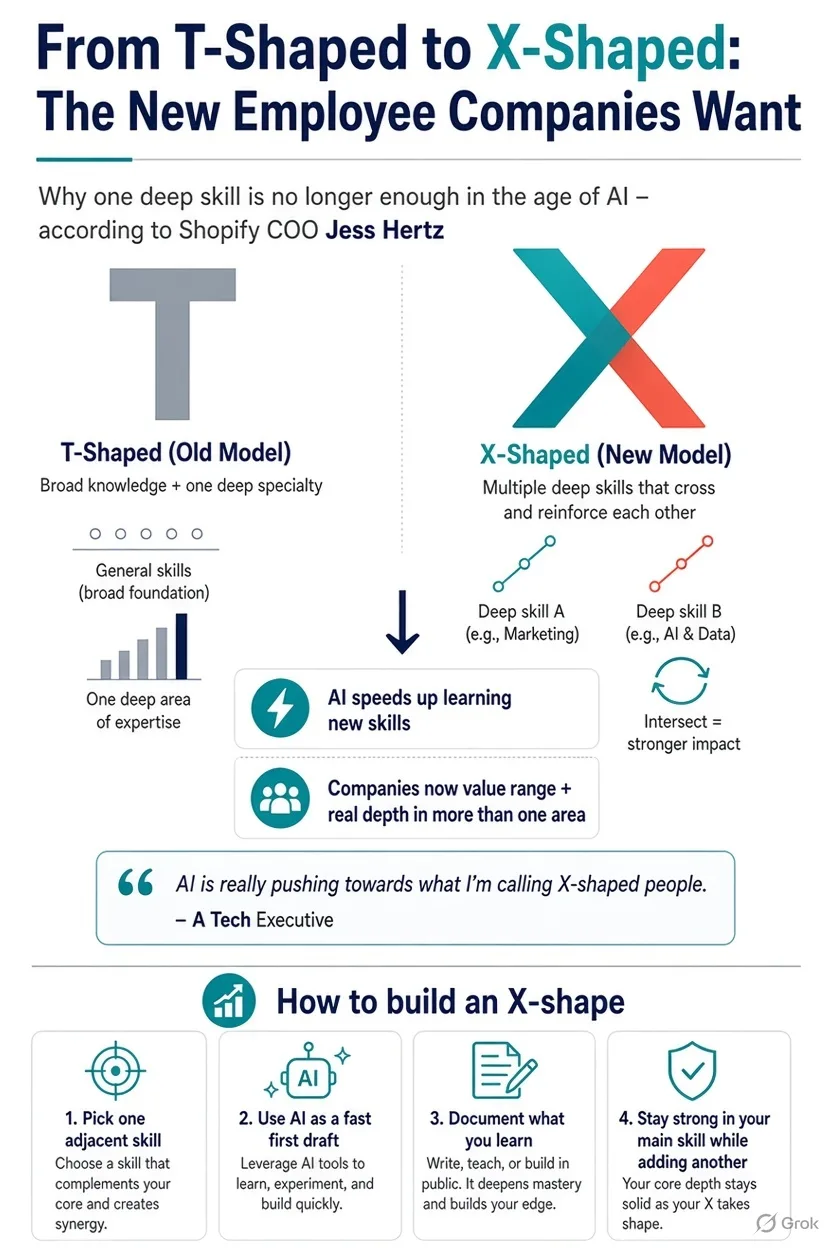
- Develop a T-shaped skillset: Cultivate deep expertise in one area alongside broad competencies in complementary fields.
- Leverage AI tools: Familiarize yourself with workplace AI platforms to enhance productivity and innovation.
- Network strategically: Build relationships across industries and geographies to access hidden opportunities.
- Prioritize mental well-being: Adopt habits and seek support systems that sustain resilience under stress.
Experts also emphasize the importance of proactive career planning, including regular self-assessment and goal setting. As detailed in Mastering Career Growth Amid Uncertainty, those who actively manage their careers outperform peers who rely on chance or static plans.
Looking Ahead: The Future of Career Advice and Work
By 2030, the workforce will likely be even more fluid and technology-integrated. Emerging trends to watch include:
- AI-driven personalized career coaching: Digital mentors providing tailored guidance based on real-time data.
- Decentralized work ecosystems: Blockchain-based platforms enabling transparent freelance and project work.
- Expanded emphasis on soft skills: Creativity, empathy, and cross-cultural communication becoming decisive differentiators.
- Hybrid human-AI collaboration: New job roles emerging at the intersection of human judgment and AI automation.
Preparing for these shifts requires a mindset embracing change, continuous learning, and strategic agility. Organizations and individuals alike must rethink traditional career frameworks to remain competitive.
In conclusion, the foundational principles of career success remain relevant: skill mastery, adaptability, networking, and well-being. But their execution must evolve to meet the demands of a transforming job market. For professionals seeking guidance, exploring resources like How to Strengthen Career Resilience in Today’s Unpredictable US Job Market offers practical insights tailored to current realities.
Ultimately, career advice in 2026 is less about predicting the future and more about cultivating the agility and mindset to shape it.