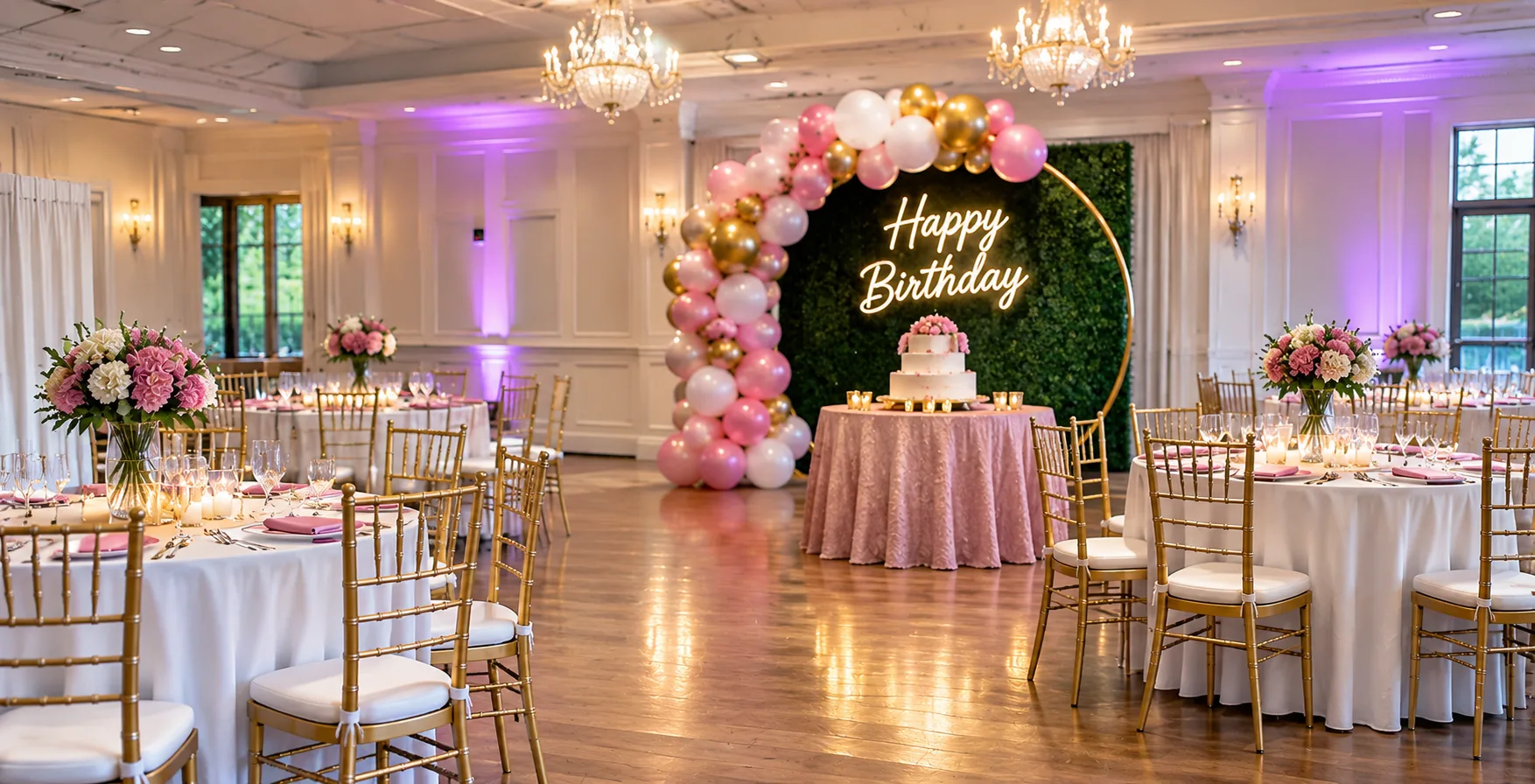
Birthday celebrations range from small family dinners to large events with many guests, entertainment, and catering. As the guest count and the number of details grow, some hosts choose to bring in professional help. A birthday planner is a person or company that organizes the tasks needed to hold a birthday event. This article explains what the role involves, which events often use one, and how hosts can decide on the right time to hire. It also lists questions hosts commonly ask before signing an agreement.
What the Role Involves
A planner coordinates the people, places, and schedules behind an event. The work usually begins with an interview about the guest of honor, the budget range, the guest list, and the style of party the host has in mind. The planner then turns these details into a written plan with tasks and due dates.
Core Responsibilities
The exact list depends on the event, but most planners handle some or all of the following:
- Setting a date and confirming venue availability
- Building a guest list and sending invitations
- Selecting a theme, decorations, and entertainment
- Arranging catering, cake, and beverage service
- Hiring and managing vendors such as photographers and musicians
- Creating a timeline for the event day
- Overseeing setup, service, and cleanup
A birthday planner also acts as the main contact for vendors. The host does not need to answer calls and messages from many people in the days before the party.
Budget and Communication
Planners also track spending against the budget set by the host. They request quotes, compare options, and record deposits and due dates. Regular updates by email, phone, or shared documents keep the host informed without requiring daily involvement.
Levels of Service
Services vary by planner and by event. Full planning covers every step from the first idea to the final cleanup. Partial planning covers selected tasks, such as vendor selection or design. Day-of coordination begins shortly before the event and focuses on running the schedule on site. Hosts can match the level of service to their needs.
Events That Commonly Use Planners
Planners work with many kinds of birthdays. Common examples include:
- Children’s parties with games, characters, and activity stations
- Sweet sixteen celebrations with dances and entertainment
- Adult milestone birthdays, such as the thirtieth, fortieth, fiftieth, and sixtieth
- Surprise parties that require secrecy and careful timing
- Celebrations that bring guests from other cities and may last more than one day
Each type has different needs. A children’s party depends on age-appropriate activities and safe spaces, while an adult milestone may focus on dining, music, and speeches. A planner with experience in the event type can anticipate these differences.
When to Hire One
Situations That Call for Support
Several conditions make professional help more useful:
- A large guest list, such as more than fifty people
- A short timeline of only a few weeks
- Several vendors who must work together on the same day
- A host with limited free time because of work or family duties
- A surprise element or a detailed program
- Guests who travel and need information about lodging and transportation
Hiring a birthday planner is most common when two or more of these conditions apply at the same time.
Timing the Hire
Planners are most helpful when contacted early. For a large event, three to six months ahead gives time to compare venues and secure popular dates. Smaller events may need only a few weeks. Day-of coordination can be added closer to the date if the host has already made most decisions.
Working With a Venue
Many venues have their own event staff and handle part of the work a planner would otherwise do. Venues such as Windows on the Lake host birthday celebrations and provide space, food service, and staff on site. In these cases, the planner and the venue team share tasks. The planner may focus on design, entertainment, and the guest experience, while the venue manages the room, kitchen, and service.
Hosts should ask both parties who is responsible for each item. This step prevents tasks from being missed or repeated.
Questions to Ask Before Hiring
Hosts can compare candidates with a short set of questions:
- Which events similar to this one have you planned?
- Which services are included in the agreement?
- How are fees structured, and what is the payment schedule?
- Which vendors do you work with, and may the host choose others?
- Who is the contact on the day of the event?
- What is the cancellation policy?
A written agreement should list services, dates, payment terms, and responsibilities. Hosts who ask these questions before choosing a birthday planner have a clear view of what is covered and what remains their own task.
When Professional Planning May Not Be Needed
Professional planning is not required for every event. A small gathering at home with a short guest list can often be handled by the host and a few family members. Hosts who have the time and enjoy planning may prefer to manage the work themselves. The decision depends on guest count, complexity, available time, and comfort with managing vendors.
Conclusion
A birthday planner organizes the tasks that surround a birthday event, from venue and menu to vendors and schedule. Hosts usually hire one when the guest list is large, the timeline is short, or the event has several moving parts. Early contact, clear questions, and a written agreement help hosts match the level of service to the event.