There's a version of a retreat that sounds good on paper: spa treatments, mountain views, a schedule packed with yoga classes, and then there's what it actually feels like when you get there. Sometimes they match. Often they don't.
A lot of people come back from getaways feeling more drained than rested. Not because the place was bad, but because the conditions weren't right. The environment didn't support real rest. The logistics created low-grade stress. The space felt generic rather than grounded.
So what actually makes a retreat healthy and relaxing, in a practical sense?
The Space Matters More Than the Activities
Most retreat marketing focuses on what you'll do during the hikes, the workshops, and the meals. But the space itself does most of the quiet work.
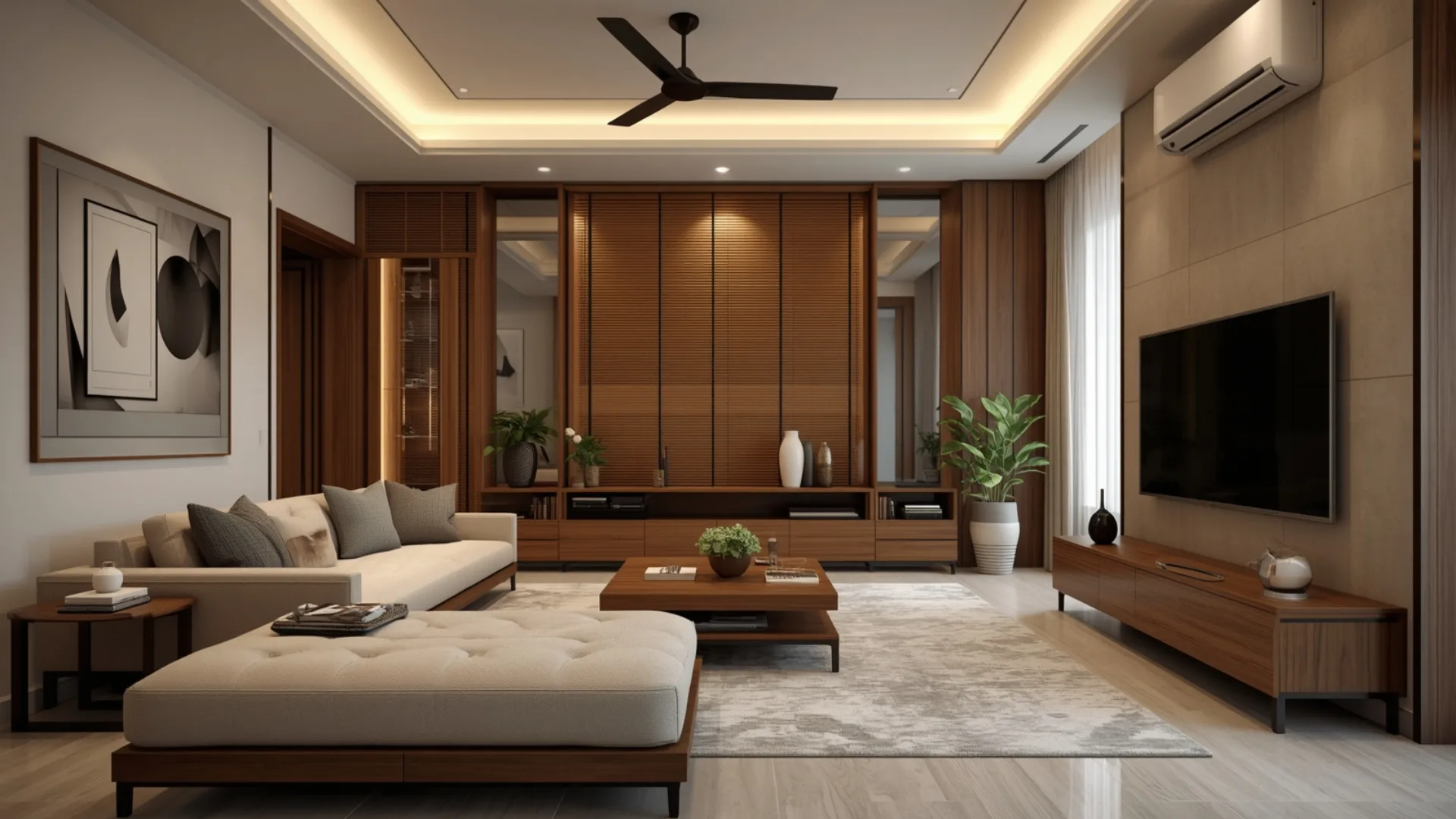
A room with natural light, minimal clutter, and good airflow changes how you feel within hours. You don't need to consciously notice it. Your nervous system just responds differently to a well-considered space versus one that's cramped, cluttered, or visually noisy.
This is why people who've stayed in thoughtfully designed properties often struggle to explain why they felt so good there. It wasn't one big thing. It was a hundred small details that didn't fight for their attention.
What to actually look for in a retreat property
- Enough space to move without feeling boxed in
- Access to outdoor areas, even a small patio or garden
- Natural light in the main living and sleeping areas
- Some degree of quiet distance from heavy traffic or noise
- A kitchen or access to food that doesn't require eating out every single meal
That last one gets underestimated. Being able to make your own coffee in the morning, eat at odd hours, or prepare something simple without coordinating a reservation, that kind of autonomy is genuinely restorative.
Rest Requires the Absence of Low-Grade Stress
A retreat fails the moment it starts generating the kind of ambient stress that daily life is supposed to offer a break from. Confusing booking processes, unclear property details, surprise fees, or arriving somewhere that looks nothing like the listing, these aren't small inconveniences. They undermine the whole point.
The mental load of managing a trip is real. When you have to spend your first day troubleshooting logistics, you've already lost something you can't get back.
This is something that platforms like Sans Club Retreats take seriously: the idea that finding and booking a property shouldn't itself be an ordeal. Accurate listings, clear information, verified properties. It sounds basic, but the difference it makes to the experience before you even arrive is significant.
Structure vs. Openness Getting the Balance Right
Some people need a schedule to actually relax. Left completely unstructured, they spiral into low-productivity guilt or can't shift out of task mode. Others need the opposite, total freedom from itineraries and expectations.
Neither preference is wrong. But it's worth knowing which one you are before you plan a retreat around the other.
A healthy retreat gives you enough structure to feel purposeful without so much that it becomes another calendar to manage. A morning walk that's become a habit. A couple of meals planned. The rest is left open.
The role of disconnection (but not total isolation)
Being unreachable for stretches of time is deeply restorative for most people. But total isolation can tip into discomfort, especially for longer stays. The sweet spot is usually access to connection when you want it, and genuine quiet when you don't. That's harder to find than it sounds.
Familiarity Is Underrated
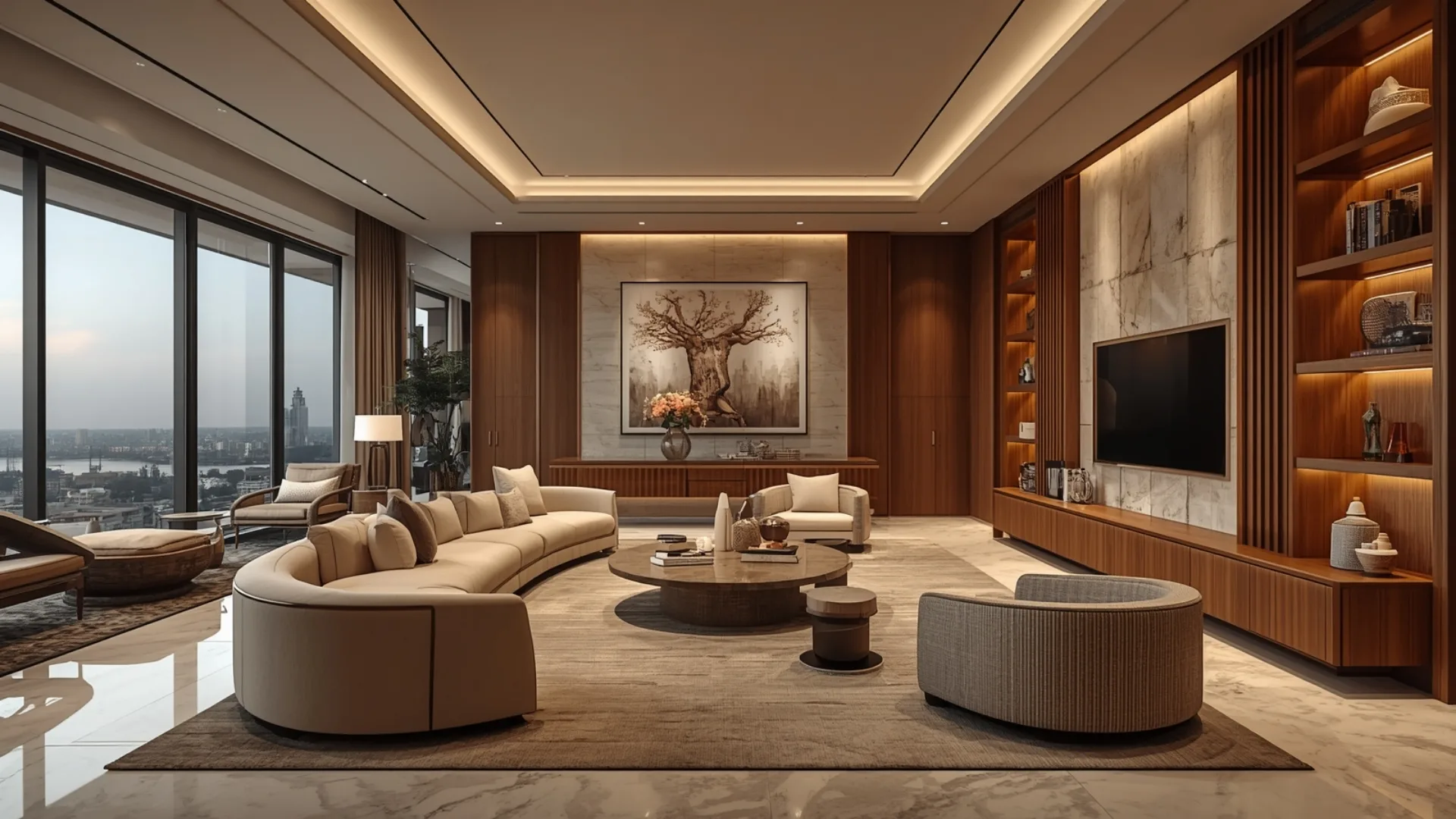
There's something to be said for a place that feels livable rather than performatively luxurious. Marble everywhere and minimalist furniture looks impressive in photos, but can feel cold to actually inhabit for more than a night.
The properties that people remember fondly, the ones they go back to, usually have some warmth to them. Character. A sense that someone actually thought about what it's like to spend three or four days there, not just what it looks like in a single wide-angle shot.
Comfort isn't the same as luxury. And for a retreat to be genuinely restorative, comfort wins every time.
A Few Things That Actually Help
In practical terms, here's what tends to make the difference:
Arrival ease. A smooth check-in sets the tone. Struggling with access codes, unclear directions, or unresponsive hosts in the first hour of a trip is a rough start that colors everything after.
Enough space for the group size. Retreating with others can be wonderful, but not if everyone's on top of each other. One bathroom for six people stops being charming by day two.
The right environment for your goal. Someone recovering from burnout needs different conditions than someone training for an athletic event. Be specific about what you actually need the trip to do for you.
Proximity to nature. Even mild exposure, such as a walk through a park, a view of trees, or morning light on a garden, affects mood and stress levels in ways that built environments just don't replicate.
A retreat doesn't have to be elaborate to work. What makes it healthy and relaxing is mostly about removing friction and creating conditions where rest becomes easy rather than effortful. The right space, honest information about what you're booking, a bit of structure, and enough quiet, that's most of the formula right there.