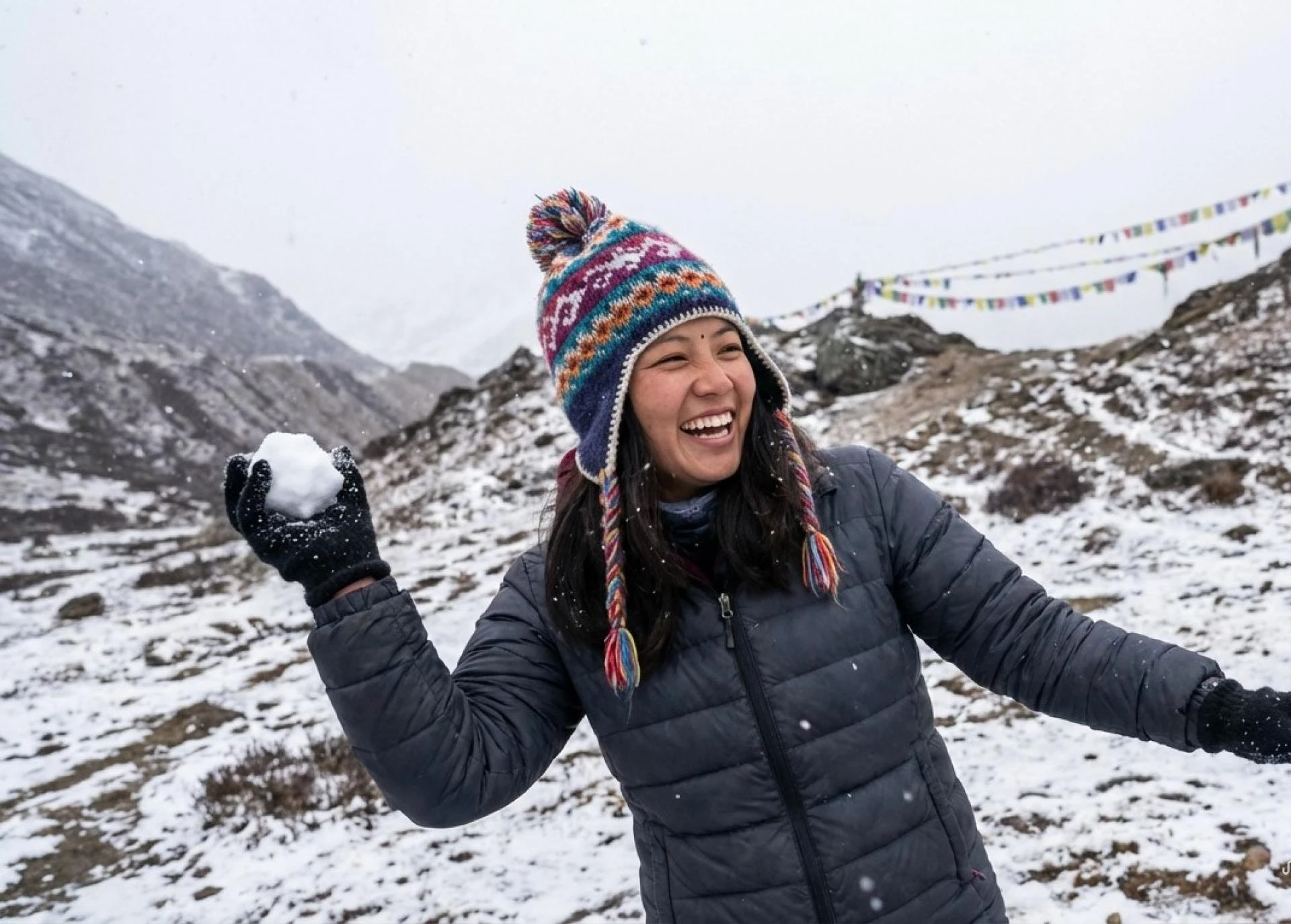
Snow falls quietly on the high Himalayas. Wind moves through deep valleys. Prayer flags fly above ancient trails. This is where the story of the Everest Three Passes begins. It is one of the most exciting and challenging trekking routes in Nepal, designed for travelers who want more than just a normal mountain walk. With the support of experienced teams like Best Trek Adventure, this journey becomes safer, smoother, and truly unforgettable for those dreaming of the Everest region.
A Journey Through the Heart of the Himalayas
The Everest Three Passes Trek is not a single trail. It is a full circuit that connects three high mountain passes in the Everest region. These passes are Kongma La, Cho La, and Renjo La. Each one is different, and each one offers a unique adventure.
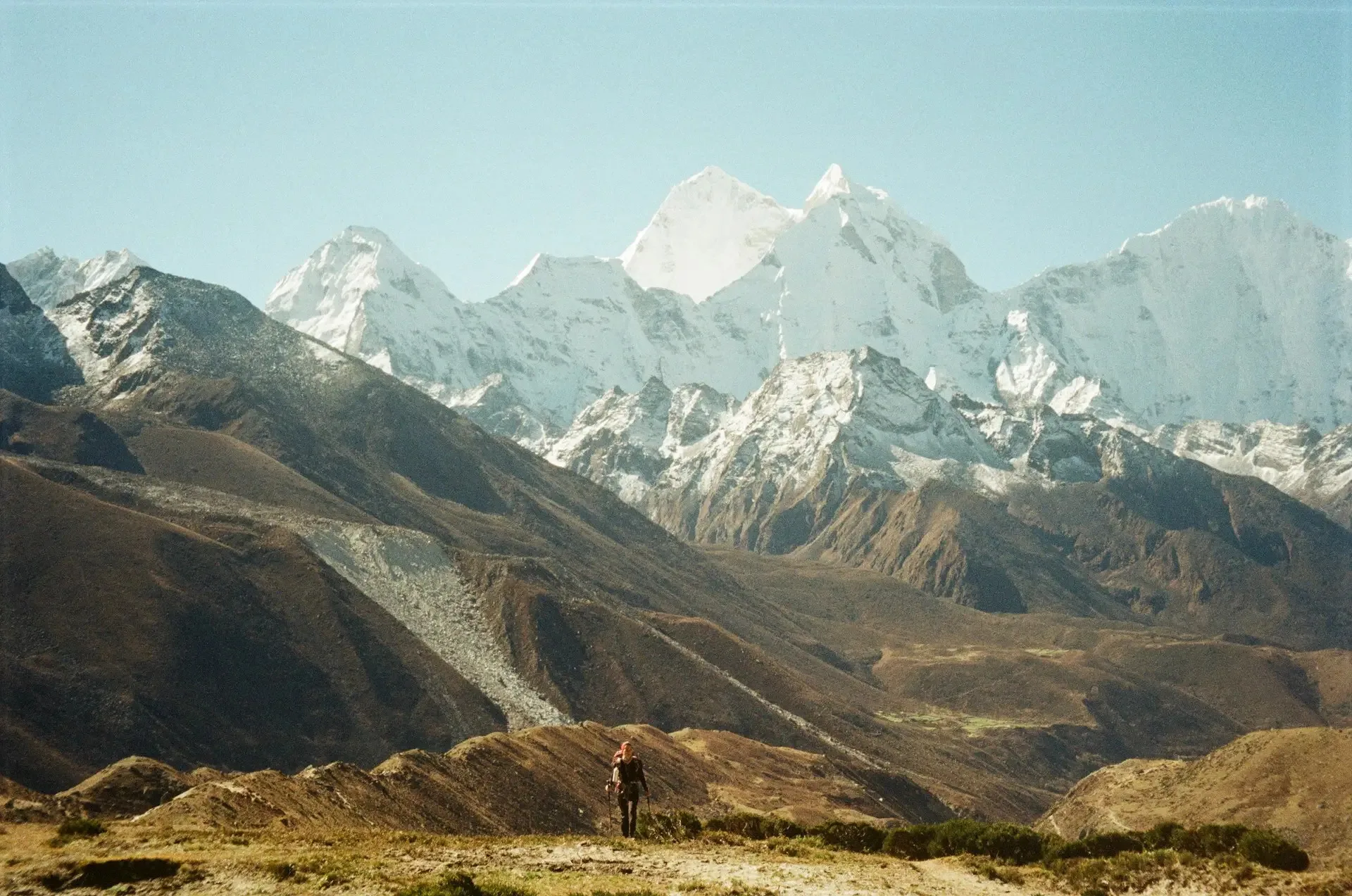
Trekkers cross glaciers, rocky paths, icy lakes, and high mountain ridges. The journey passes famous villages like Namche Bazaar, Dingboche, Gokyo, and Lobuche. It also includes close views of Mount Everest, Lhotse, Ama Dablam, and many other giant peaks.
This trek is known as the most complete Everest region experience because it combines culture, nature, and high-altitude adventure in one route.
Trek Statistics You Should Know
The Everest Three Passes Trek is a long and demanding journey. On average, it takes around 16 to 20 days to complete. The total trekking distance is approximately 130 to 160 kilometers, depending on the route and side trips taken.
The maximum elevation reached during the trek is 5,535 meters at Kongma La Pass. Cho La Pass stands at about 5,420 meters, while Renjo La Pass reaches around 5,360 meters. These high altitudes make this trek one of the most challenging in Nepal.
Daily walking time usually ranges from 5 to 7 hours. The trail includes steep climbs, glacier crossings, and rocky sections. Proper acclimatization is very important for safety.
What Are the Everest Three Passes?
The Everest Three Passes are three high mountain crossings that connect different valleys in the Everest region. Each pass is a gateway between remote Himalayan landscapes.
Kongma La is the highest and most difficult pass. It connects Chukhung and Lobuche and offers dramatic glacier views. Cho La Pass links the Everest Base Camp region with Gokyo Valley and includes icy terrain that can be slippery and challenging. Renjo La Pass is known for its stunning view of Gokyo Lakes and Everest itself, making it one of the most beautiful viewpoints in the entire trek.
Together, these three passes create a complete circuit around the Everest region, giving trekkers a full Himalayan experience.
Why This Trek Is So Special
The Everest Three Passes Trek is not just about walking. It is about exploring one of the most dramatic landscapes on Earth. Every day brings something new. One day includes snowy mountains. Another day includes green valleys and quiet villages.
The trek also offers deep cultural experiences. Sherpa villages welcome travelers with warm hospitality. Buddhist monasteries, spinning prayer wheels, and ancient traditions add meaning to the journey.
Unlike shorter treks, this route feels like a full Himalayan expedition. It tests strength, patience, and determination, but rewards travelers with unforgettable views and memories.
Challenges of the Three Passes Trek
This trek is considered difficult. The main challenge is the high altitude. Oxygen levels are low above 5,000 meters, which can cause tiredness and altitude sickness if the body is not well adjusted.
Weather is another challenge. Snow and strong winds can make the passes harder to cross. Some sections are steep and require careful walking, especially on icy paths.
Good physical fitness is important. Training before the trek helps improve stamina and makes the journey easier and more enjoyable.
Best Time to Do the Trek
The best seasons for the Everest Three Passes Trek are spring and autumn. Spring runs from March to May, and autumn lasts from September to November.
During these months, the weather is stable, skies are clear, and mountain views are at their best. Spring brings blooming flowers in lower valleys, while autumn offers crisp air and dry trails.
Winter is very cold, and heavy snow can block the passes. Summer brings rain, which makes trails slippery and clouds cover the mountains.
How Best Trek Adventure Supports the Journey
Best Trek Adventure provides complete trekking services for the Everest Three Passes route. The company helps travelers with planning, permits, transportation, accommodation, and professional guide support.
Experienced guides ensure safety during high passes and help trekkers manage altitude challenges. Porters carry heavy loads, making the journey more comfortable for travelers.
Customized itineraries are available for solo travelers, groups, and families. Emergency support, local knowledge, and reliable logistics make the trek smoother and safer.
With proper planning and expert assistance, even this difficult trek becomes more manageable and enjoyable.
Helpful Tips for Trekkers
Slow walking is very important in high-altitude trekking. Rushing can increase tiredness and altitude sickness risk. Regular rest breaks help the body adjust.
Drinking enough water keeps the body hydrated and helps reduce altitude problems. Warm clothing is also necessary because temperatures drop sharply at high elevations.
Good preparation before the trek, including light exercise and hiking practice, makes a big difference in performance and comfort.
Final Thoughts
The Everest Three Passes Trek is one of the most powerful trekking adventures in Nepal. It combines high mountains, deep valleys, cultural villages, and challenging passes into one incredible journey. It is not an easy trek, but it is one of the most rewarding experiences in the Himalayas.
With the support of Best Trek Adventure, travelers can safely explore the Everest Three Passes and enjoy every moment of this legendary route. From icy passes to breathtaking viewpoints, this trek offers a true Himalayan adventure that stays in memory forever.