
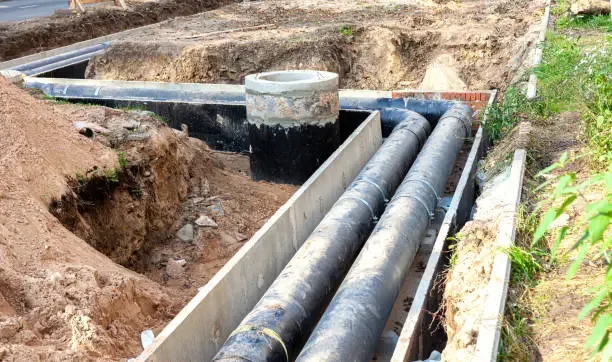
A water main break can quickly turn into a serious problem for homeowners, businesses, and property developers. From sudden flooding and low water pressure to costly property damage, a damaged main water line can disrupt an entire property or neighborhood. Understanding the common causes of water main breaks and knowing how to prevent them can help property owners avoid unexpected repairs and maintain a reliable water supply.
Common Causes of Water Main Breaks
1. Aging and Deteriorating Pipes
One of the most common causes of a water main break is simply the age of the pipe. Older water mains can deteriorate over time because of corrosion, material fatigue, or repeated pressure changes. Pipes that have been in service for decades may become weak and more vulnerable to cracks, leaks, and complete breaks.
If an older system frequently develops leaks or requires repairs, a professional inspection can help determine whether water main replacement is a better long-term option than repeated repairs.
2. Ground Movement and Soil Conditions
The ground surrounding a water main can shift because of soil expansion, erosion, settlement, construction activity, or changes in moisture. This movement can place stress on underground pipes and their connections.
In areas with unstable or changing soil conditions, even a properly installed water main can eventually develop cracks or joint failures. Professional water main repair services can identify the damaged section and determine the appropriate repair method.
3. Freezing Temperatures
Cold weather can create significant stress on water infrastructure. When water inside or around a pipe freezes, it expands. This can increase pressure within the system and contribute to cracks or breaks, particularly in vulnerable sections of a water main.
Proper installation depth, suitable materials, and regular inspection can reduce the risk of cold-weather damage. Property owners should also pay attention to unusual changes in water pressure following periods of extreme cold.
4. High or Fluctuating Water Pressure
Water mains are designed to operate within specific pressure ranges. Excessive or rapidly changing pressure can place additional stress on pipes, joints, valves, and other components.
A sudden increase in pressure can contribute to existing weaknesses becoming leaks or breaks. Regular water valve maintenance and professional system inspections can help identify pressure-related issues before they become major failures.
5. Corrosion and Pipe Material Failure
Certain older pipe materials can deteriorate due to corrosion and environmental conditions. As the pipe wall becomes weaker, small leaks can develop and eventually turn into larger failures.
Corrosion may not always be visible from the surface, which is why underground water infrastructure should be evaluated by experienced professionals when recurring problems occur.
6. Construction and Excavation Damage
Excavation work near underground utilities can accidentally damage water mains. Heavy equipment, digging, trenching, and other construction activities can put pressure on buried pipes or strike them directly.
Before beginning excavation, contractors should identify underground utilities and take appropriate precautions. Careful planning is especially important for commercial water main installation, new construction, and utility improvement projects.
Signs That a Water Main May Be Failing
Water main problems do not always begin with a dramatic break. There can be warning signs that indicate an underground pipe is developing an issue.
Common signs include:
- Unexplained low water pressure
- Water pooling in the yard or around pavement
- Unusually wet or soft areas of soil
- Sudden increases in water usage
- Discolored or cloudy water
- Repeated water leaks
- Cracks or damage near underground utility areas
- Unusual sounds coming from pipes or valves
If these problems continue, it is worth having the system professionally evaluated before a minor leak develops into a major water main repair.
How Can You Prevent Water Main Breaks?
Although not every water main failure can be prevented, regular maintenance can significantly reduce the risk of unexpected problems.
Schedule Regular Inspections
Professional inspections can help identify aging pipes, damaged connections, leaking valves, and other weaknesses before they become emergencies. Early detection is particularly important for older properties and commercial systems.
Maintain Water Valves
Water valves control and isolate sections of a water distribution system. Damaged or improperly functioning valves can make repairs more difficult and may contribute to operational problems.
Regular water valve inspection and maintenance can help ensure valves remain accessible and functional when they are needed.
Monitor Water Pressure
Keep an eye on unusual pressure changes. Persistent high pressure or sudden fluctuations may indicate a problem within the system. A professional can evaluate the system and recommend an appropriate solution.
Address Small Leaks Quickly
A small underground leak should not automatically be ignored. Continuing leakage can contribute to soil erosion, property damage, and eventually a larger pipe failure. Prompt water main leak repair can help prevent the issue from becoming more expensive.
Consider Replacement for Severely Aging Pipes
Repair is not always the best option. If a water main has reached the end of its useful life or continues to fail in multiple locations, water main replacement may provide a more reliable long-term solution.
When Should You Call a Professional?
A water main problem can affect more than just your plumbing. It can impact driveways, landscaping, roads, neighboring properties, and the overall water distribution system. If you notice persistent low pressure, unexplained water pooling, recurring leaks, or signs of an underground pipe failure, professional evaluation is recommended.
Seadmok Water Construction specializes in water main repair and replacement, water valve services, and water infrastructure projects throughout Maryland. Our team works with residential, commercial, and development projects to help keep water distribution systems functioning reliably.
Final Thoughts
Water main breaks can result from aging pipes, ground movement, freezing temperatures, pressure problems, corrosion, and construction damage. While some failures are unavoidable, regular inspections, proper water valve maintenance, timely leak repairs, and proactive water main replacement can reduce the risk of major emergencies.
Taking action when early warning signs appear can save property owners from more extensive damage and unexpected repair costs. For properties with aging or repeatedly failing water infrastructure, a professional assessment can help determine the most practical solution.