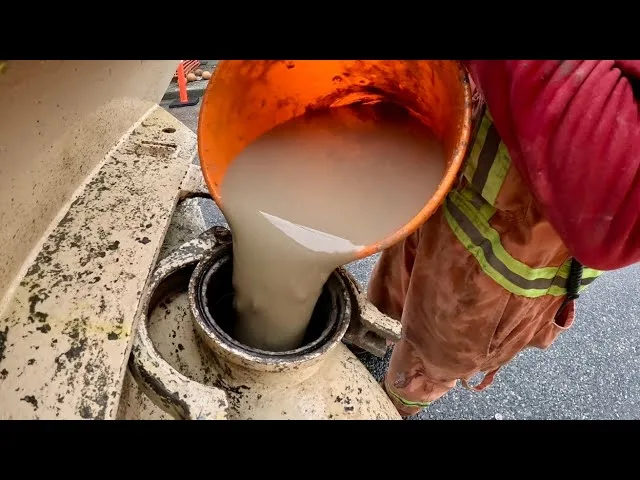
Concrete pumping makes large-scale construction faster, cleaner and more efficient—but getting concrete moving smoothly through a pump line is not always as simple as it looks. One small but important component that can make a major difference is concrete pump primer.
A pump primer prepares the pipeline before concrete enters the system, helping reduce friction, improve flow and minimise the risk of blockages. Without proper priming, even a well-maintained concrete pump can struggle during the first stages of placement.
For contractors, operators and construction teams, understanding how concrete pump primer works—and when to use it—is essential for safer, more reliable pumping and better project efficiency.
What Is Concrete Pump Primer?
Concrete pump primer is a specially formulated material used to coat and lubricate the inside of a concrete pump line before concrete pumping begins. It creates a lubricating layer between the pipe walls and the concrete, allowing the initial concrete mix to travel through the pipeline more easily.
During pumping, concrete experiences resistance as it moves through bends, joints and long sections of pipe. This resistance can be particularly noticeable at the start of a pour when the pipeline is dry.
A suitable concrete pump primer helps overcome this initial resistance by conditioning the line before the main concrete mix arrives.
Primers may be supplied in different forms and formulations, depending on the pumping equipment, concrete mix and application. It is important to select a product designed specifically for concrete pumping rather than relying on unsuitable substitutes.
Why Is Concrete Pump Primer Important?
The first few metres of concrete movement through a pipeline can be among the most challenging parts of a pumping operation. A properly primed line provides several practical benefits.
1. Reduces Friction and Improves Flow
A primer lubricates the pipeline, helping concrete move more consistently through the system. This is especially useful when working with long pipelines, multiple bends or complex pumping configurations.
2. Helps Prevent Blockages
Poor initial lubrication can increase resistance and contribute to pumping difficulties. In severe situations, restricted flow can result in a concrete blockage, creating downtime and requiring additional labour to resolve.
Using the correct concrete pumping equipment preparation process can therefore help reduce unnecessary interruptions.
3. Protects Pumping Efficiency
When concrete flows smoothly, the pump does not have to work against avoidable resistance. Proper priming can support more consistent pumping pressure and help operators establish a stable flow at the beginning of a pour.
4. Supports Safer Operations
A blockage in a pressurised concrete line can create significant safety risks. Correct preparation, suitable equipment and trained operation are important parts of maintaining a controlled pumping process.
How Should Concrete Pump Primer Be Used?
Correct application depends on the primer product, pump configuration and manufacturer's recommendations. The pipeline should be properly assembled and inspected before priming begins, with particular attention paid to couplings, bends and potential restrictions.
The primer is then introduced into the pipeline according to the product's specified procedure. Once the line has been adequately conditioned, concrete pumping can commence.
For the best results, operators should always follow the product instructions rather than assuming that more primer is automatically better.
It is also important to consider the concrete mix itself. Factors such as aggregate size, slump, mix design, pipeline length and pumping distance can influence how easily concrete travels through the system.
If you're comparing concrete pump primer products, look at compatibility, application requirements, equipment suitability and the manufacturer's technical guidance—not simply the upfront price.
Common Problems When Priming Is Overlooked
Skipping or incorrectly carrying out pipeline priming can lead to avoidable problems, including:
- Increased resistance when starting the pump
- Difficulty establishing consistent concrete flow
- Higher risk of line blockages
- Delays during concrete placement
- Additional cleaning and maintenance requirements
- Increased pressure on pumping equipment
These issues can become more significant on demanding projects where concrete needs to travel considerable distances or through complicated pipeline layouts.
A simple preparation step can therefore have a meaningful impact on the overall pumping process.
Conclusion
Concrete pump primer may seem like a small part of a construction operation, but it plays an important role in getting concrete through the pipeline efficiently and reliably. By reducing friction, supporting consistent flow and helping minimise blockages, proper priming can save time and reduce avoidable pumping problems.
Before your next pour, remember to:
- Choose a primer suitable for the application and equipment.
- Follow the manufacturer's recommended preparation procedure.
- Inspect the complete pipeline before pumping.
- Consider the concrete mix and pumping distance.
- Use quality concrete pumping products from a reliable supplier.
For contractors looking to improve pumping preparation and equipment performance, MyCite Australia can be a useful resource for finding practical solutions suited to modern construction requirements. Better preparation today can mean smoother concrete placement tomorrow—and more efficient projects overall.