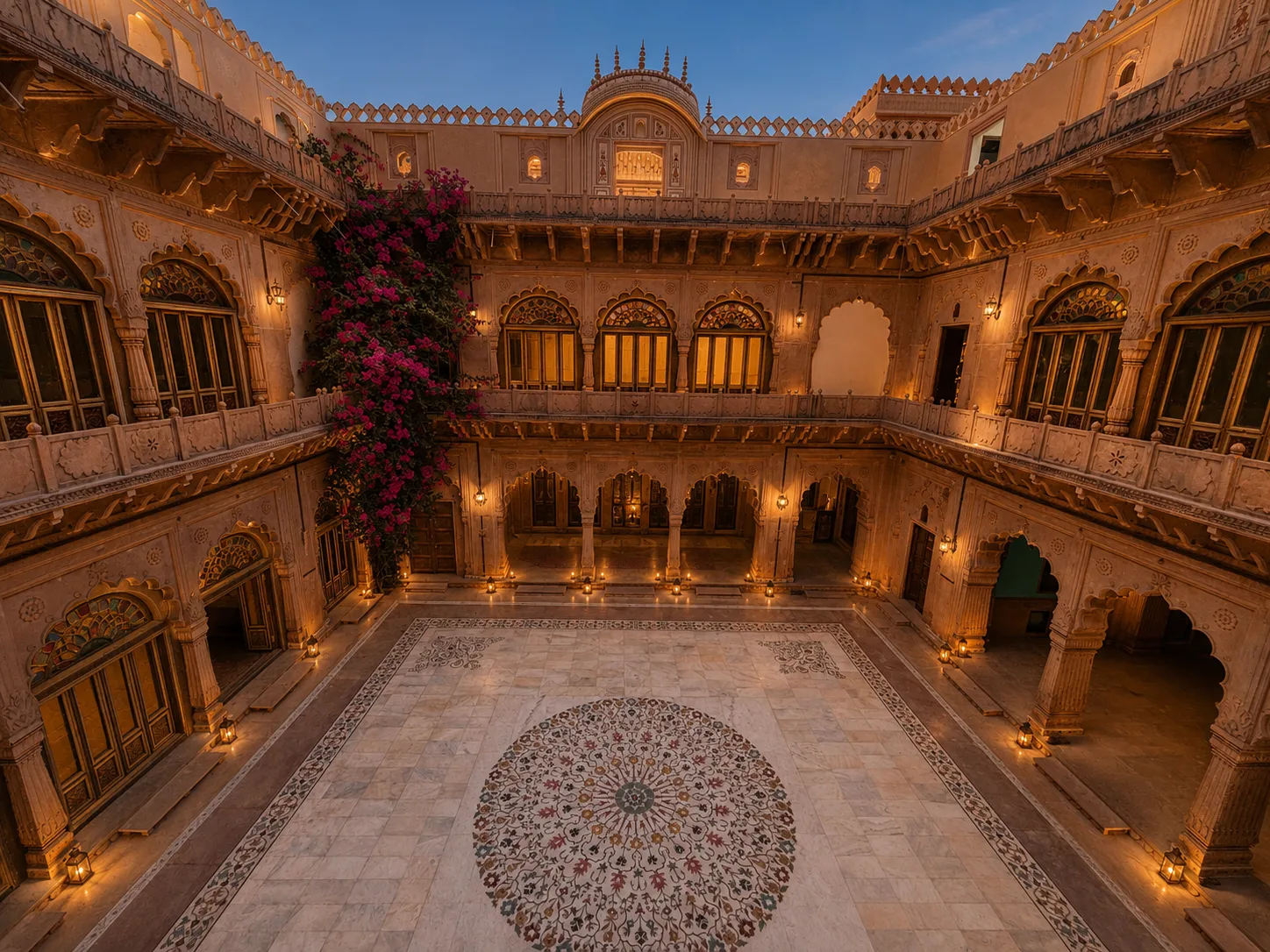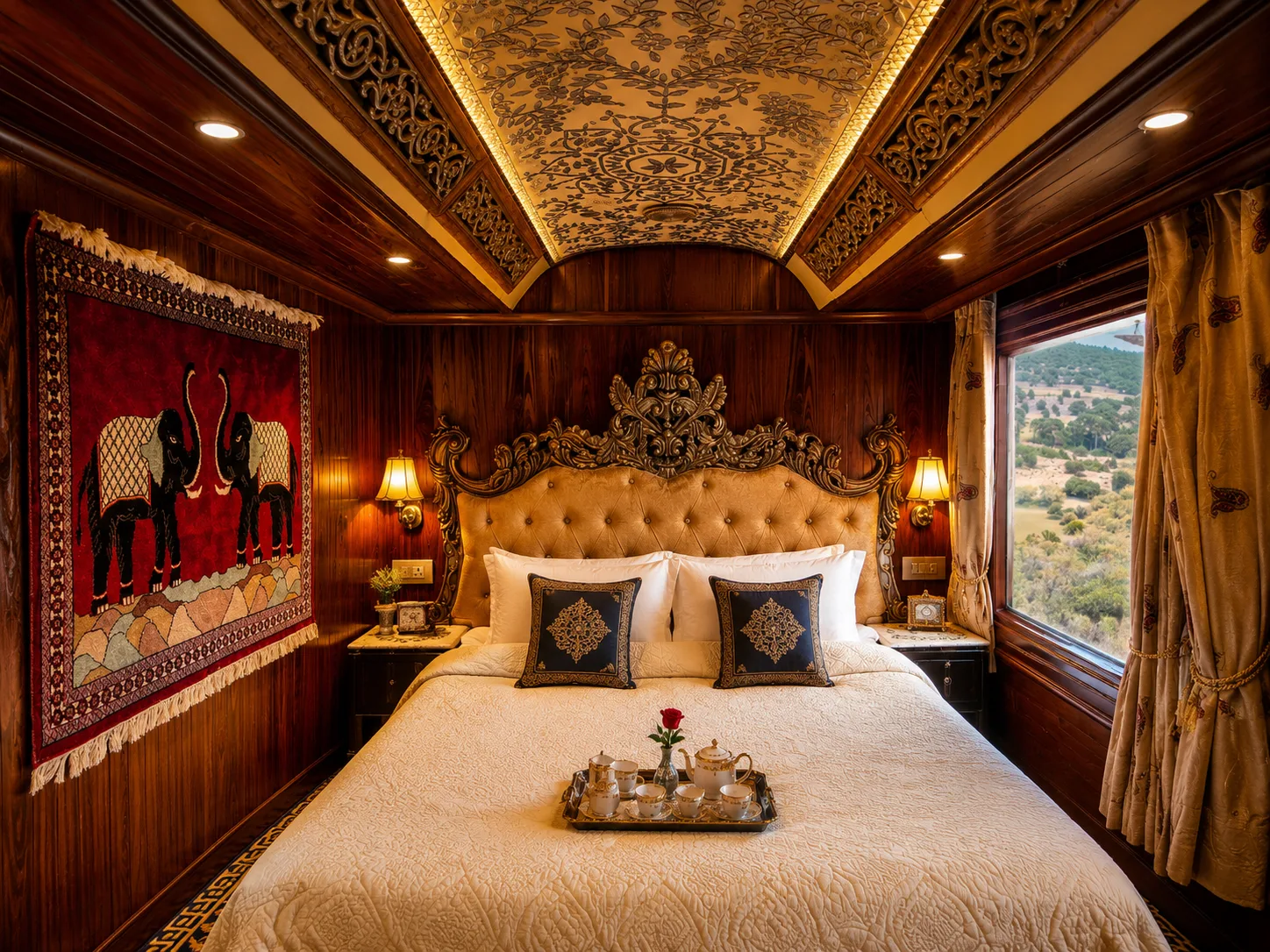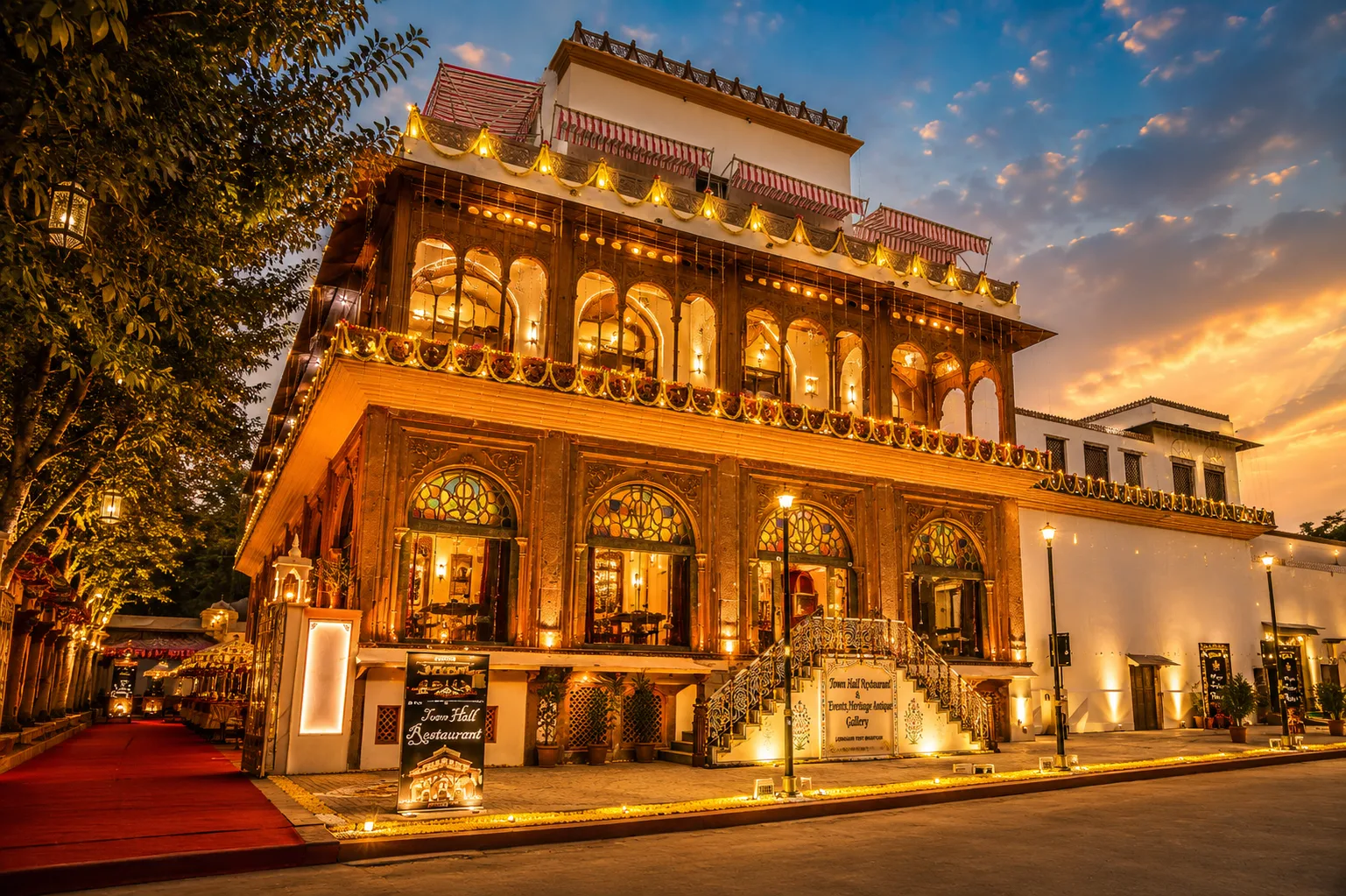
A restaurant can use traditional colours, royal-style furniture and regional artwork, but visual decoration alone does not create an authentic heritage experience. Genuine heritage dining connects the building, food, hospitality and atmosphere with the history of its location.
Townhall Restaurant and Events occupies a thoughtfully restored heritage building within Lohagarh Fort in Bharatpur. Instead of placing a heritage theme inside a newly constructed commercial space, it allows guests to dine in surroundings that belong to the city’s historical environment.
For travellers and residents searching for a Heritage Restaurant in Bharatpur, Townhall offers a combination of preserved architectural character, multi-cuisine dining and modern hospitality. This creates a setting where the meal can feel connected to Bharatpur rather than separated from it.
Quick Answer: What Defines Authentic Heritage Dining?
Authentic heritage dining combines a historically meaningful setting with suitable food, thoughtful service, responsible restoration and respect for local culture.
A complete experience may include:
- A restored historic building
- Original or sensitively preserved architectural features
- Regional design influences
- Food connected to local preferences
- Comfortable modern seating
- Knowledgeable hospitality
- A relaxed dining pace
- Responsible treatment of the property
The purpose is not to recreate an imaginary royal past. It is to allow guests to enjoy present-day hospitality while recognising the authentic history and character of the place.
Why Does the Building Matter?
The building creates the first and most permanent layer of a heritage experience.
A themed restaurant can change its interiors whenever trends change. A restored heritage property must work with an existing structure, traditional proportions and architectural features developed in another period.
Townhall’s location inside Lohagarh Fort gives it a direct connection to Bharatpur’s historic identity. Lohagarh means “Iron Fort” and is associated with the strength and political history of the former Bharatpur kingdom.
Dining within this environment can help guests experience the city beyond sightseeing. Instead of viewing history only through monuments, visitors can spend time eating, talking and gathering inside a restored space linked to the fort.
This continuity between history and modern use is an important part of adaptive reuse.
What Is Responsible Restoration?
Responsible restoration protects a building’s character while adapting it for safe and comfortable modern use.
A restaurant operating in a historic structure may need to integrate:
- Lighting
- Electrical systems
- Kitchen infrastructure
- Climate control
- Guest seating
- Washrooms
- Fire-safety measures
- Accessibility solutions
- Modern service areas
These facilities should be added sensitively. If every traditional surface is covered with artificial décor, much of the building’s identity may disappear.
Responsible restoration also requires ongoing maintenance. Old structures need careful attention to moisture, surfaces, roofs, ventilation and guest movement.
Customers contribute to preservation by following restaurant guidelines and avoiding damage to walls, floors and architectural features.
How Does Ambience Affect the Meal?
Ambience influences how guests communicate, relax and remember a dining experience.
Lighting, sound levels, table spacing, temperature and seating comfort all affect the atmosphere. A restaurant may look attractive in photographs but feel uncomfortable if it is too loud, crowded or poorly ventilated.
At Townhall, the heritage setting gives the meal a strong visual identity. Indoor, outdoor and rooftop possibilities may also allow guests to select an environment suited to the occasion and weather.
A relaxed family meal may require comfortable indoor seating. Couples may prefer a quieter evening setting, while a group may need an area where members can communicate without disturbing other diners.
Guests should request their preferred area during reservation, although final availability may depend on weather, maintenance and private events.
Is Heritage Dining Limited to Traditional Food?
No. A heritage setting does not require every guest to select only regional dishes.
A multi-cuisine restaurant can serve diners with varied preferences while still maintaining a connection with the destination. Families and groups often include people who want different flavours, spice levels and meal formats.
The dining experience may balance:
- Regional dishes
- Familiar Indian selections
- Multi-cuisine options
- Vegetarian choices
- Shared starters
- Child-friendly food
- Lighter preparations
- Desserts and beverages
Guests interested in local cuisine should ask which regional dishes are currently available instead of assuming that every traditional item is served daily.
Food quality, ingredient handling and consistent preparation remain more important than adding a large number of dishes only to make the menu appear extensive.
Why Is Hospitality Part of the Heritage Experience?
Traditional Indian hospitality is associated with warmth, respect and attentiveness. In a heritage restaurant, service should support this cultural character without becoming overly formal.
Good hospitality may include:
- A welcoming arrival
- Clear menu guidance
- Honest information about preparation time
- Assistance with portion sizes
- Attention to dietary requests
- Appropriate serving sequence
- Respect for different age groups
- Transparent billing
Staff should also be able to answer basic questions about the restaurant and its setting accurately. When a guest asks about Lohagarh Fort or the restored building, thoughtful information can add meaning to the visit.
Historical claims should remain accurate rather than becoming exaggerated stories created only for entertainment.
Can Heritage Dining Appeal to Younger Guests?
Yes. Younger diners frequently value places that combine visual character with a genuine story.
Historic architecture, thoughtful lighting and rooftop or outdoor seating can create memorable photographs. However, the experience should offer more than social-media appeal.
Young guests may also appreciate:
- A varied menu
- Comfortable group seating
- Distinctive surroundings
- A calm conversation-friendly environment
- Connection with local history
- Convenient reservation options
- Spaces suitable for small celebrations
Restaurants remain relevant when they preserve their identity while responding to modern expectations of comfort, service and menu choice.
A heritage property should not become static or inaccessible. It can honour the past while serving present-day guests naturally.
How Is a Royal Dining Experience Different From Formal Fine Dining?
Royal dining does not have to mean excessive formality or expensive food. It can refer to gracious hospitality, architectural character, thoughtful presentation and an unhurried environment.
A Royal Restaurant in Bharatpur should ideally help guests feel welcomed rather than intimidated.
Formal fine dining may follow strict service styles and carefully structured courses. Heritage dining may be more flexible, allowing families and groups to share dishes and communicate comfortably.
The quality of the experience can come from:
- The authenticity of the setting
- Service attention
- Food preparation
- Table presentation
- Space and comfort
- Cultural connection
- The ability to enjoy the meal at a relaxed pace
Royal character should be expressed through dignity and hospitality, not only through decorative grandeur.
Is Townhall Suitable for Tourists Visiting Bharatpur?
Yes. The restaurant’s location can make it relevant for travellers exploring the city’s heritage and natural attractions.
Bharatpur is known for:
- Lohagarh Fort
- Keoladeo National Park
- Its royal history
- Its place within the Braj region
- Connections with Agra and nearby destinations
Visitors may include Townhall in an itinerary as a lunch or dinner experience. Dining in a restored building within the fort can complement visits to historic attractions.
Tourists should verify current opening hours, reservation requirements and transport arrangements before visiting. Those following a tight sightseeing schedule should allow sufficient time for a relaxed meal rather than treating the restaurant as a quick stop.
How Can Couples Plan a Heritage Dinner?
Couples may choose Townhall for an anniversary, special dinner or quiet evening.
They should confirm:
- Table availability
- Indoor, outdoor or rooftop seating
- Current restaurant timings
- Meal options
- Cake policy
- Decoration rules
- Music or event restrictions
- Additional charges
- Weather backup for outdoor seating
Simple arrangements may work better within an authentic heritage property because excessive decoration can hide the architecture.
If a particular table or setup is important, couples should request written confirmation while understanding that operational or weather conditions may require changes.
Can the Restaurant Host Family Celebrations?
Townhall Restaurant and Events provides services for private gatherings, birthdays, anniversaries and social occasions.
The organiser should share:
- Event date
- Number of guests
- Age composition
- Preferred Preferred seating
- Menu requirements
- Dietary restrictions
- Décor needs
- Cake arrangements
- Audio requirements
- Expected duration
- Total budget
A heritage restaurant may impose restrictions on installations, adhesives, open flames, music or heavy equipment. These rules protect the property and should be discussed before appointing an outside vendor.
The restaurant should provide a written quotation listing inclusions, taxes, optional services and cancellation conditions.
Why Is Seating Variety Valuable?
Different dining areas can support different experiences.
Indoor seating may offer greater comfort during extreme temperatures or rain. Outdoor seating may feel relaxed during favourable weather. Rooftop dining may provide a more open evening atmosphere.
The best choice depends on:
- Weather
- Group size
- Children
- Senior guests
- Mobility
- Noise preference
- Occasion
- Available reservations
Guests with mobility limitations should ask about steps and ground-level options. Parents should confirm the suitability of rooftop seating for young children.
The desired area should be requested during booking, but alternatives should remain available if conditions change.
What Does Premium Dining Actually Mean?
Premium dining should represent overall quality rather than high pricing alone.
When evaluating a Premium Restaurant in Bharatpur, guests should consider:
- Ingredient quality
- Food consistency
- Cleanliness
- Service
- Seating comfort
- Ambience
- Menu clarity
- Presentation
- Location
- Value for the complete experience
An expensive interior cannot compensate for poor food or confusing service. Similarly, a restaurant can provide a premium experience without becoming excessively formal.
The strongest dining experiences feel well considered from arrival to departure.
How Should Guests Evaluate Online Reviews?
Online reviews can help diners identify common strengths or problems, but they should be interpreted carefully.
Guests should:
- Read recent reviews
- Look for repeated observations
- Compare feedback across platforms
- Check official responses
- Distinguish food reviews from event reviews
- Avoid relying on one extreme opinion
- Verify current information directly
Restaurant service can also vary according to crowd levels, event schedules and timing. A reservation and clear communication may help guests receive an experience appropriate for their requirements.
Official menu and service information should remain the primary reference for planning.
What Should Be Confirmed Before Visiting?
Guests should check:
- Opening hours
- Table availability
- Seating options
- Menu availability
- Accessibility
- Parking or drop-off
- Group-booking rules
- Dietary accommodation
- Event restrictions
- Accepted payment methods
Information on third-party listings may become outdated. Guests should use the official website or verified restaurant contact details for current information.
How Can Guests Respect the Heritage Property?
Visitors can help preserve the restored building by:
- Following staff guidance
- Avoiding contact with fragile surfaces
- Supervising children
- Respecting restricted areas
- Keeping noise appropriate
- Disposing of waste properly
- Avoiding unauthorised decorations
- Following photography rules
- Treating furniture and architecture carefully
Heritage hospitality works best when guests recognise that the setting is part of the city’s cultural environment rather than disposable event décor.
Final Thoughts
An authentic heritage dining experience comes from the relationship between place, food, hospitality and history. Townhall Restaurant and Events brings these elements together inside a restored building within Bharatpur’s Lohagarh Fort.
Its multi-cuisine approach makes the restaurant accessible to different food preferences, while indoor, outdoor and rooftop dining possibilities support family meals, couple outings and organised gatherings.
The property’s strongest distinction is not a decorative royal theme but its connection with the historic setting of Bharatpur. Guests should verify current timings, seating and menu information before visiting and experience the restaurant with respect for the heritage that gives it character.