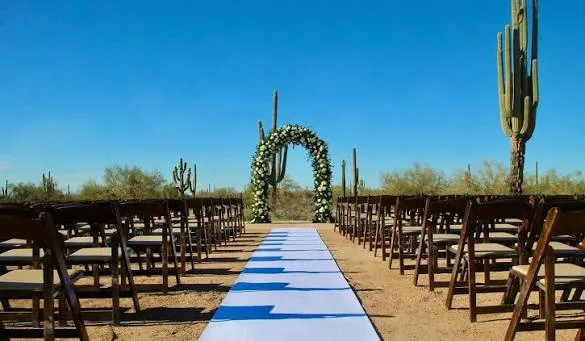
Desert weddings may be spectacular affairs; however, access to electrical power is one of those mundane considerations that can become a serious issue later on down the line. When considering Desert wedding venues, it’s necessary to get some answers before making the decision to book, such as the source of the power, its availability, what might happen if there are issues, and whether the vendors can plug in without causing any harm.
Why Power Matters So Much at a Desert Wedding
A desert wedding often means getting away from the usual hotel ballroom or established event center. That is part of the appeal. You might have open land, mountain views, old ranch buildings, or a wide stretch of desert with almost nothing around it. Beautiful, yes. Convenient? Not always.
Electricity becomes a bigger conversation when the venue is far from the main grid. Your caterer may need refrigeration. The DJ needs sound equipment. The photographer may need charging stations. The bar might have coolers, lighting, or ice machines running. Then there are restrooms, fans, heaters, decorative lighting and maybe a ceremony sound system too.
It is easy to think, “We’ll just bring a generator.” That can work, but generators have limits. They also need fuel, proper placement, ventilation and someone who knows what they are doing. So before you fall in love with the view, ask what the venue can actually power.
Is the Venue Connected to the Electrical Grid?
This should probably be one of your first questions. Some remote wedding properties have normal utility service, while others operate partly or entirely off-grid. There is a pretty big difference between those situations.
Ask the venue directly whether the property has a permanent electrical connection and, if it does, what kind of service is available. You want more than a simple “yes, we have electricity.” Check whether there are any outlets, how many circuits are there, and whether there are any limitations regarding vendors' connections.
The place where you hold your reception might have enough electricity to light up the room and provide some additional facilities; however, there will not be enough for your wedding. It is important to know that before signing the contracts, not the day before the reception begins.

What is the Capacity of Electrical Supply?
It might sound like you need to become an electrician, but all you need is the right information.
Inquire about the amperage and voltage that are available and the number of dedicated circuitsYour vendors can then compare those numbers with what their equipment requires. A DJ setup, catering equipment, lighting system and portable air-conditioning unit can draw considerably more power than a few string lights.
Don't rely on the venue saying, “We've hosted weddings before and it was fine.” Your event may be different. Guest count, season, entertainment, catering style and lighting can all change the power requirements.
Have your key vendors provide their electrical needs ahead of time. Put everything together in one place and have someone qualified review it. It sounds like extra work, but it is much easier than discovering a circuit cannot handle the load while guests are walking toward the ceremony.
Does the Venue Provide a Generator?
For genuinely remote properties, generators may be part of the normal setup. Sometimes the venue owns them. Sometimes couples have to rent them separately. And sometimes the venue allows outside generators but requires approval first.
Ask exactly what is included with your rental. Find out whether the generator is sized for the entire event or only certain areas of the property. Also ask whether backup power is available if the primary generator stops working.
Fuel is another question people forget. Who supplies it? Who monitors the fuel level? Who refills it during the event if necessary? A generator running out of fuel while dinner is being served isn't exactly the kind of surprise anyone wants.
It is also worth asking where the generator will sit. It should be positioned safely and far enough from guest areas to limit noise, fumes and other hazards. Your venue or generator provider should have a proper plan for this.
What Happens If the Power Goes Out?
This question sounds obvious, but the answer can tell you a lot about how prepared the venue really is.
Ask what happens during a power outage and who is responsible for responding. If the venue uses grid electricity, is there a backup generator? If it already uses generators, is there a second unit available? How quickly can someone troubleshoot the problem?
Think about the timing, too. Losing power during setup is annoying. Losing it during a ceremony is another matter. Losing refrigeration during outdoor catering can become a food-safety concern. If the temperature is high, a power failure can also affect guests who need fans, cooling equipment or other climate-control measures.
You don't need a disaster plan worthy of a military operation. But there should be a sensible backup plan, especially for remote Desert Wedding Venues where help may not be five minutes away.
Can Wedding Vendors Bring Their Own Power Equipment?
Some vendors arrive with equipment that has specific electrical requirements. A caterer might bring warming equipment, refrigeration or cooking appliances. A lighting company may need multiple circuits. A band can have significantly different power requirements than a DJ.
Ask the venue whether outside generators, distribution boxes, extension cables or other temporary electrical equipment are permitted. Some properties have strict rules about this because of fire safety, insurance or local regulations.
It is also important to ask whether vendors need to use specific outlets or circuits. Running several extension cords from one small outlet isn't a real power plan. It can create overloaded circuits, tripping breakers, damaged equipment or worse.
Your vendors should coordinate with the venue before arrival. If possible, have a production or event professional create a simple power map showing where major equipment will operate.
What About Lighting After Sunset?
Desert weddings can change completely once the sun goes down. The same wide-open property that looked simple and easy during the afternoon suddenly needs lighting for paths, dining areas, bathrooms, bars and guest movement.
Ask what lighting the venue already provides. Then ask what additional lighting is allowed. String lights, lanterns, chandeliers, uplighting and specialty installations can all require power, and some setups require more than couples expect.
Don't forget the practical stuff. Guests need to see where they're walking. Vendors need safe access to work areas. Catering staff need enough light to operate safely. Restrooms and parking areas shouldn't disappear into darkness just because the ceremony is over.
This is also where generator noise can become an issue. A generator that sounds barely noticeable during the day may feel pretty loud during speeches, dinner or the first dance. Placement matters.
How Far Are the Electrical Sources From the Event Area?
This is an easy question to overlook. Knowing that a venue has power doesn't tell you where that power actually is.
A remote property might have electricity at the main building but place the ceremony or reception several hundred feet away. That means cables, temporary distribution equipment and additional planning. You also need to consider whether cables will cross walkways or areas where guests and staff will be moving.
Ask who provides the necessary cables and distribution equipment. Don't assume the venue includes them. Neither the DJ nor the caterer will have enough. Managing cables is not a glamorous task, but an important one. Cables must be kept safe and arranged in such a way that people do not trip on them. This task becomes difficult on desert ground as there is no even ground to work with; there is gravel, dirt, and no natural light at all.
Are There Any Restrictions for Fire or Weather?
Desert locations come with their own set of conditions. Dry vegetation, high winds and extreme temperatures can all affect how temporary electrical equipment is used.
Ask whether the property has restrictions on generators, heaters, open flames, lighting equipment or extension cables. Local fire rules may also affect where generators can be placed and what type of equipment can operate outdoors.
Wind deserves particular attention. Temporary lighting, canopies and electrical equipment may need additional protection or anchoring. Heat can affect equipment and people, too. If your wedding takes place during a hot part of the year, cooling equipment can dramatically increase electrical demand.
A venue that takes these issues seriously isn't difficult. They're protecting the property and your guests. That's a good thing.
Who Is Responsible for Power on Wedding Day?
This may be the most useful question of all. You don't want the bride, groom or their parents trying to figure out a tripped breaker while everyone else is waiting for dinner.
Ask who is the point person for electrical issues. Is there venue staff on-site throughout the event? Does a generator technician remain nearby? Is an electrician available if something goes wrong? If nobody is physically there, who gets called?
Get those responsibilities in writing where possible. The venue contract should clearly explain what power is included and what isn't. Vendor agreements should also spell out their responsibilities.
A good wedding coordinator can take a lot of this off your plate. Still, couples should understand the plan themselves. You're paying for the event, after all. Knowing who handles a problem is much better than finding out after the problem happens.
What Should I Ask Before Signing the Venue Contract?
Before signing, ask for the venue's complete information about electrical service, generators, backup power and vendor requirements. If possible, arrange a site visit with your planner or production company so they can see the property rather than trying to plan everything from a few photos.
Ask for the electrical specifications in writing. Find out what equipment is included, what costs extra and whether outside vendors can bring their own power systems. Also confirm whether fuel, setup, monitoring and emergency support are part of the price.
This is one area where a cheaper venue can become more expensive than expected. A property with limited electrical infrastructure may require generator rentals, fuel, cable runs, distribution equipment and additional labor. None of that necessarily makes the venue a bad choice. You just need to know the real cost before committing.
Remote weddings can be wonderfully simple, but the logistics aren't always simple. That's the tradeoff. The right questions let you enjoy the scenery without discovering the practical problems too late.
Conclusion
Power isn't the exciting part of planning a desert wedding. Nobody gets engaged and immediately starts talking about amperage and generator fuel. But it matters, especially when your venue is several miles from the nearest town and you're building an entire event outdoors.
Ask the uncomfortable questions early. Find out what the venue provides, what your vendors need, and what happens when something doesn't go according to plan. That information can help you budget properly and avoid scrambling on the wedding day.
And don't assume a more relaxed setting means fewer logistics. A Western-themed rodeo wedding, an intimate desert ceremony, or a large outdoor reception can all have very different power demands. Plan for the real event you are hosting, not the generic wedding the venue hosted last year.
The goal isn't to make your wedding complicated. It's the opposite. Handle the boring infrastructure details ahead of time so you can actually enjoy the sunset, the music, the food and the people who came to celebrate with you.