A comprehensive contract with a Wall Insulation Contractor in Doentown las vegas NV, should include a detailed scope of work, clear payment terms, and a specific project schedule. It must list the exact materials used, such as R-value and brand, while outlining cleanup duties and safety protocols. These documents protect both the property owner and the professional by setting firm expectations for the quality and duration of the work.
Securing a written agreement ensures that all parties understand their obligations before any walls are opened or filled. This guide provides a detailed look at the necessary clauses and protections required for a successful upgrade in the unique climate of Southern Nevada. Knowledgeable professionals recognize that a clear contract is the foundation of a successful renovation project.
Core elements of a professional insulation project agreement
A standard insulation project agreement serves as the legal backbone of a home improvement task. It should begin with the basic contact information for both the homeowner and the service provider. Verification that the document includes the contractor license number is essential, as this is a requirement for any Wall Insulation Contractor operating in Nevada. This registration proves the entity is recognized by the State Contractors Board and carries the necessary bonds.
The agreement must also state the total project cost. This figure should be a fixed price rather than a loose estimate to avoid unexpected surcharges later. If the project requires specialized equipment or permits, the contract should specify who pays those fees. Clear language regarding the total investment prevents disputes once the job reaches completion.
Defining the contractor's scope of work for maximum clarity
The contractor's scope of work is perhaps the most detailed part of the document. It needs to describe exactly where the insulation will go, whether it is for exterior walls, interior soundproofing, or specific garage sections. In Downtown Las Vegas, where older homes often have unique structural challenges, the scope should mention how the team will access wall cavities.
It should also list the preparation steps. This includes moving furniture, covering floors with drop cloths, and protecting electronics from dust. A thorough scope ensures that no part of the installation process is left to chance. Property owners should look for mentions of specific methods, such as drill-and-fill techniques or spray applications, so the technical approach is transparent.
Specific insulation installation terms for material quality

Every contract must include specific insulation installation terms regarding the products being used. In the desert heat, the R-value is the most important metric. Nevada building codes have specific requirements for thermal resistance, and a contract should state that the materials will meet or exceed these local standards.

The document should specify the brand name and the quantity of material to be installed. When paying for a premium product, the contract ensures the property owner does not receive a cheaper substitute. This section also needs to address the thickness of the application, as thin layers will not provide the energy savings expected in a 110-degree summer.
Managing the project timeline and milestones
A well-defined project timeline prevents the work from dragging on for weeks. The contract should list a specific start date and an estimated completion date. While weather or shipping delays can happen, having these dates in writing keeps the crew accountable. Large projects may benefit from milestones, such as a date for completing the prep work and another for the final inspection.
The agreement should also include a clause about work hours. In many Downtown Las Vegas neighborhoods, noise ordinances or HOA rules might restrict when a Wall Insulation Contractor can operate heavy machinery. Stating that work will occur between 8 AM and 5 PM helps maintain a good relationship with nearby residents.
Bonus Tip: Always ask the contractor to include a "broom clean" clause. This ensures they are responsible for removing all debris and vacuuming the work area before they consider the job finished.
Understanding warranty coverage and long-term protection
Warranty coverage is a sign of a confident service provider. There are usually two types of warranties to look for in the contract. The first is the manufacturer's warranty on the material itself, which covers defects in the product. The second is the labor warranty provided by the contractor, which covers issues related to the installation process.
In the harsh Nevada climate, materials can expand or contract. A strong labor warranty usually lasts at least one to five years. If the insulation settles or gaps appear within that timeframe, the contractor should return to fix the issue at no additional cost. The document should clearly explain the process for filing a warranty claim.
Primary contractor responsibilities and site safety
The section on contractor responsibilities should cover insurance and safety. They must maintain general liability insurance and workers' compensation. If an accident happens on the property, these policies protect the homeowner from being held financially responsible. Property owners have the right to ask for a certificate of insurance before any work starts.
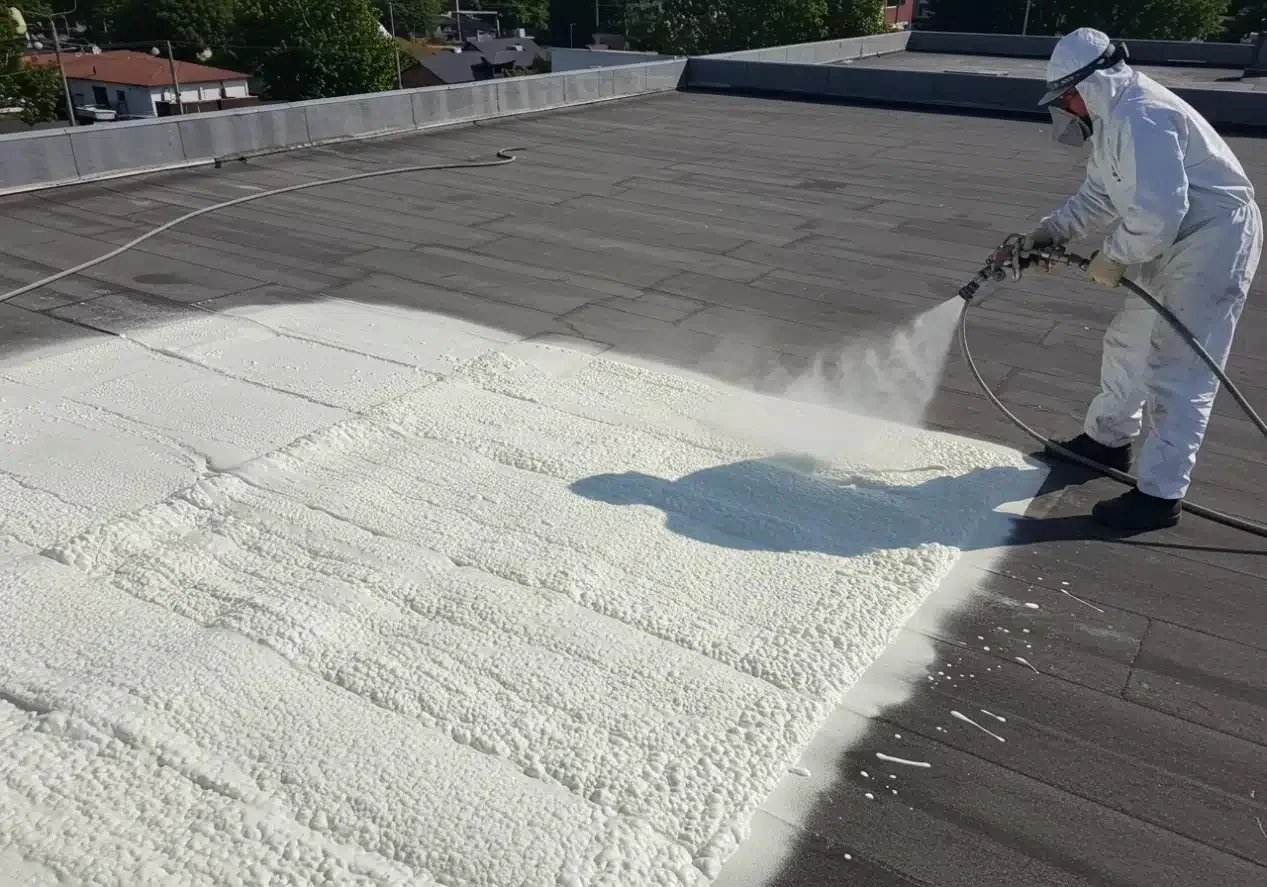
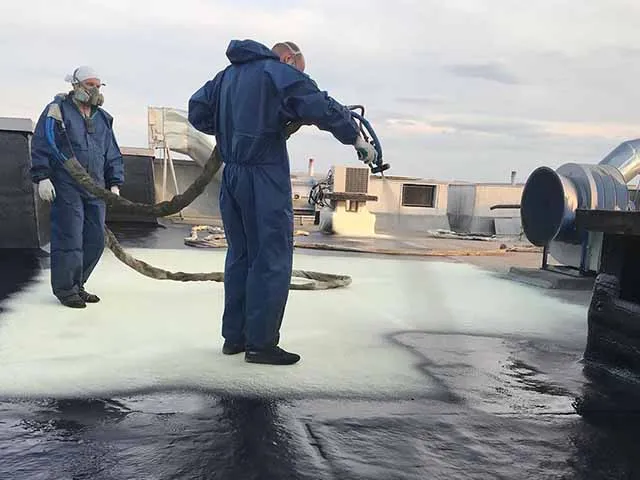
The team is also responsible for site safety. This includes the proper handling of chemicals if spray foam is used and the use of respirators or masks by the crew. The contract should state that the team will follow all OSHA guidelines. Additionally, the contractor should be responsible for obtaining any necessary municipal permits required by the City of Las Vegas. Maintaining a safe and organized workspace is the first step toward a clean property once the job is done.
Bonus Tip: Check if the contractor uses infrared thermography. Some professionals include a post-installation thermal scan in their contract to prove there are no voids or missing spots in the walls.
Why should you verify the cleanup and disposal process?
Many homeowners forget to include waste management in their agreements. Insulation projects can generate significant waste, including old materials, bags, and overspray. The contract should explicitly state that the Wall Insulation Contractor will haul away all trash and dispose of it according to local environmental regulations.
If the job involves removing old, dusty, or moldy insulation, the disposal process becomes even more important. It is never ideal to have bags of old fiberglass sitting in a driveway for a week. Confirming that disposal fees are included in the initial price quote prevents a surprise bill at the end of the project.
Specific climate considerations for Downtown Las Vegas
The heat in Southern Nevada is intense, and a contract should reflect the need for high-performance thermal barriers. Market data shows that properly insulated homes in desert climates can see a reduction in cooling costs by up to 15 to 20 percent. Because of this, the agreement should focus on air sealing as much as the insulation material.
Air leaks around wall plates and outlets can let in hot desert air, making even the best insulation less effective. Asking the contractor to include air sealing in the scope of work is a smart move. This small addition to the contract can significantly improve the comfort of the home and the efficiency of the HVAC system during the peak of July and August.
Key factors to consider before signing an agreement
- Project History: Reviewing past examples of work in the Downtown area helps ensure the team is familiar with the specific architectural styles found in older neighborhoods.
- Local References: Ask for references from recent clients to verify that the contractor meets their deadlines and maintains a professional job site.
- Detailed Quotes: Avoid any professional who offers a verbal quote without a written breakdown of costs and materials.
- Payment Schedule: Paying the full amount upfront is not recommended. A standard practice is a small deposit, a mid-point payment, and a final payment after a thorough walkthrough.
Evaluating your final contract requirements
Before signing, property owners should review every page to ensure all verbal promises are in writing. A solid agreement protects the investment and ensures the Wall Insulation Contractor delivers exactly what was promised. Focusing on the R-value, the timeline, and the insurance coverage keeps the project on track. By being thorough during the paperwork phase, residents can enjoy a cooler, more energy-efficient home for years to come. Evaluating specific cooling needs and the age of the structure ensures the contract addresses every technical requirement of the building.
Connect with local experts for your insulation needs
If you are ready to improve your home's energy efficiency, reaching out to a local professional is the best next step. Supreme Spray Foam LV provides expert services throughout the region, helping property owners select the right materials for the Nevada heat. They offer detailed agreements that prioritize transparency and quality. For a free quote or to discuss your specific project needs, you can reach them at info@supremesprayfoamlv.com or call (702) 904-9895 to speak with their team directly.
Common questions about wall insulation contracts
How much of a deposit is standard for an insulation project?
In Nevada, it is common to pay a deposit of 10 percent or 1,000 dollars, whichever is less, though some contractors may request more for custom materials.
Does the contract cover damage to drywall?
Most contracts specify that the contractor is not responsible for minor cosmetic repairs unless they are performing a full "turn-key" service that includes patching and painting.
What happens if the contractor finds mold inside the walls?
Standard contracts usually include a clause stating that work will stop and a change order will be required if hazardous materials or structural issues are discovered.
Can a homeowner change their mind after signing the contract?
Most residential contracts include a three-day right to cancel, allowing the homeowner to back out of the agreement within 72 hours without penalty.
Should the contract mention the specific R-value?
Yes, the R-value is the primary measure of insulation performance and must be listed to ensure the work meets local building code requirements.