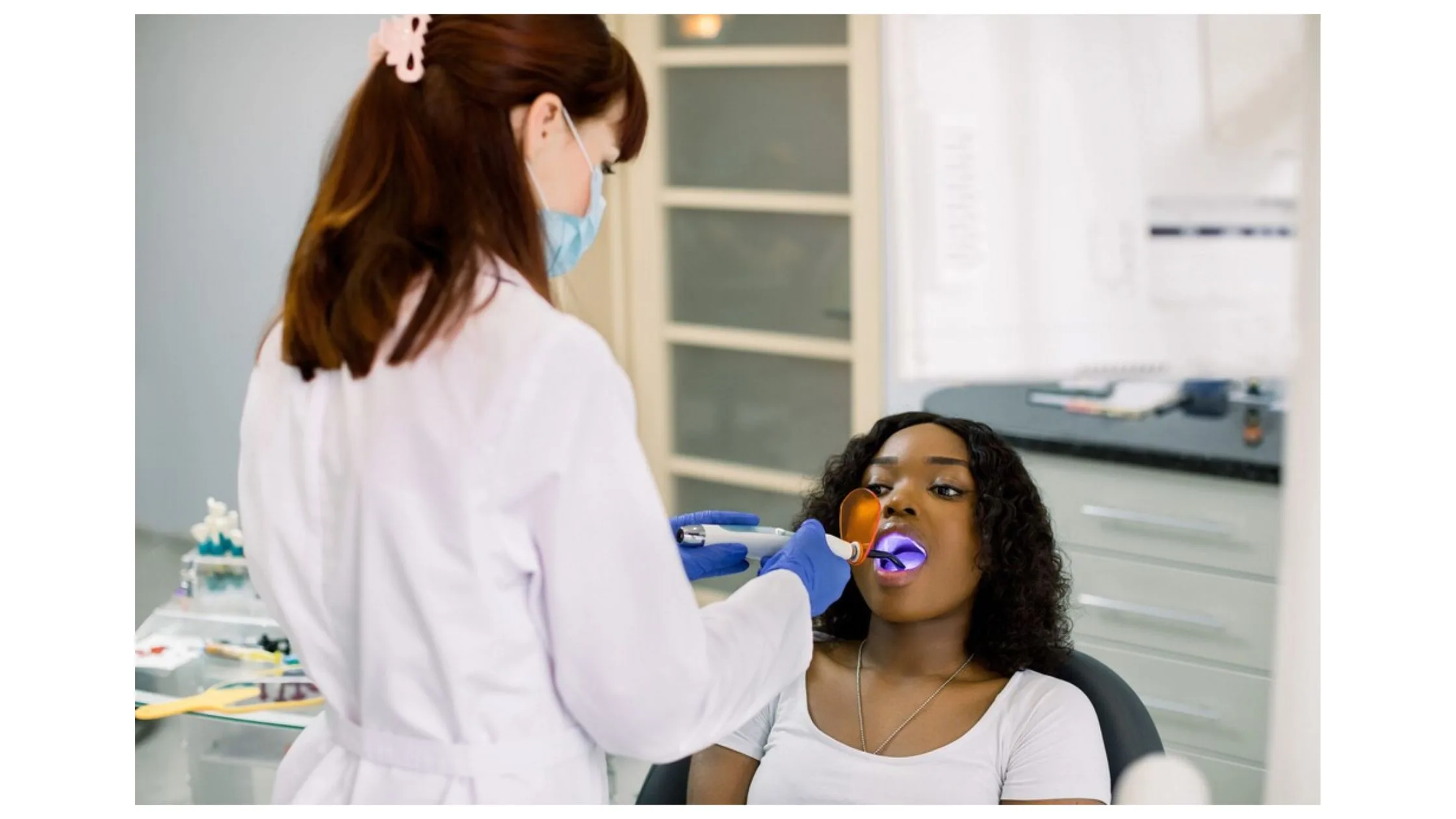
A child’s smile changes as they grow. Baby teeth loosen and fall out as permanent teeth come in. Most of the time, this happens on its own. But some baby teeth stay in place too long. Tooth transitions pediatric dentistry looks at these changes and checks how the teeth, bite, and jaw are growing.
Understanding the Baby-to-Permanent Tooth Transition
A baby’s first teeth start forming before birth. Some front teeth can appear by the first birthday. Most first teeth come through between 6 and 12 months. When a baby tooth is ready to fall out, its roots should slowly shrink. This is called resorption.
The permanent tooth below then moves into its place. During children's pediatric dentistry, the dental team checks how these changes are going. The focus is not only on teeth. The team also looks at the jaw, bite, facial growth, and smile alignment.
What Can Happen During Teething?
Teething can make babies:
- Feel fussy
- Sleep poorly
- Eat less
- Drool more
A teething ring, cold spoon, or moist gauze rubbed gently over the gums can give comfort. Dental care should start early. A first visit around the child’s first birthday gives the dental team a chance to begin watching the growing smile.
When Baby Teeth Usually Start Falling Out
As permanent teeth grow, baby teeth begin to loosen. The timing is not the same for every child. Parents should not feel rushed to pull a loose tooth. Regular dental visits allow the dental team to check if the permanent tooth is moving into the right place.
Why Some Baby Teeth Do Not Fall Out Naturally
Sometimes a baby tooth stays in place longer than expected. This can happen when its roots do not shrink as they should. Another reason is ankylosis. Ankylosed means that the baby tooth has fused to the supporting bone. When this happens, the tooth may not move as the permanent tooth develops below it.
How Retained Baby Teeth Can Affect Permanent Teeth
A baby tooth that stays too long is called an over-retained tooth. It can affect the way a permanent tooth comes in. The dental team watches for changes in tooth position and smile alignment. If the baby tooth blocks the permanent tooth, an extraction can be recommended when needed. This can give the permanent tooth room to come through.
Monitoring Developing Teeth and Jaw Growth
A growing smile involves more than losing baby teeth. The dental team also checks:
- Facial growth
- Jaw development
- Tooth alignment
- Bite
- Jaw movement and function
- Surrounding oral tissues
These checks can spot changes that parents might not see at home. If orthodontic care is needed, recommendations can be given based on the child’s growth and dental development.
How Digital Radiographs Check Developing Teeth
Digital radiographs can be taken when needed during a child’s exam. They give the dental team a view below the gum line.
They can check for:
- Cavities
- Infection
- Developing tooth position
- Jaw-bone health
This makes children's pediatric dentistry about more than looking for visible cavities. It also allows the team to follow teeth that have not come through yet.
Watching Bite and Jaw Alignment as Children Grow
A child’s bite can change as baby teeth leave and permanent teeth arrive. The jaw also grows during these years. Thumb and finger sucking can affect this process if the habit continues into the years when permanent teeth start coming in. Around age five or six, parents are advised to guide children away from the habit in a gentle way.
A dental check can look for changes in:
- Tooth alignment
- Jaw alignment
- Speech
- Swallowing
- Facial growth
The dental team can also discuss habit-control steps. If an appliance or orthodontic care is needed, the timing and options can be explained.
Supporting Healthy Oral Habits During Tooth Changes
Good daily habits protect both baby and permanent teeth.
Parents can support a child by:
- Brushing and flossing every day
- Choosing healthy snacks
- Giving water instead of sugary drinks
- Limiting sweets
- Keeping baby and toddler teeth clean
- Stopping pacifier use at the right time
- Never putting a baby to sleep with milk or juice in a bottle
- Using a mouthguard for certain sports
Topical fluoride treatments and dental sealants can also add protection against childhood tooth decay.
Why Regular Pediatric Dental Visits Matter
Twice-yearly dental checkups and cleanings give children regular care during each stage of growth.
A routine visit can include:
- A review of medical and dental history.
- A check of the teeth and gums.
- An exam of the jaws and nearby tissues.
- A bite and jaw check.
- Digital radiographs when needed.
- A professional cleaning.
Cleaning removes plaque and food debris from places that can be hard to reach with a toothbrush.
How Family Dental Care Supports Growing Smiles
A family dentist in Shrewsbury can care for children as they move through different stages of dental growth. Pediatric and preventive care can continue as children get older. The same practice also provides care for adults, including restorative, periodontal, cosmetic, emergency, and implant dentistry.
Dr. Jack Xu has practiced family dentistry for more than 30 years. His training has also continued in general, restorative, cosmetic, aesthetic, and implant dentistry. The Shrewsbury office is at 19 N. Quinsigamond Ave. Families can receive care for children and adults in one dental setting.
Final Thoughts
Baby teeth are only the first part of a child’s smile. They still play a key role while permanent teeth are developing. For families choosing a family dentist in Shrewsbury, regular visits can help track tooth changes, jaw growth, bite, and smile alignment.
Tooth transitions pediatric dentistry can include dental exams, digital radiographs when needed, cleanings, habit guidance, and timely care when a baby tooth does not fall out as expected.