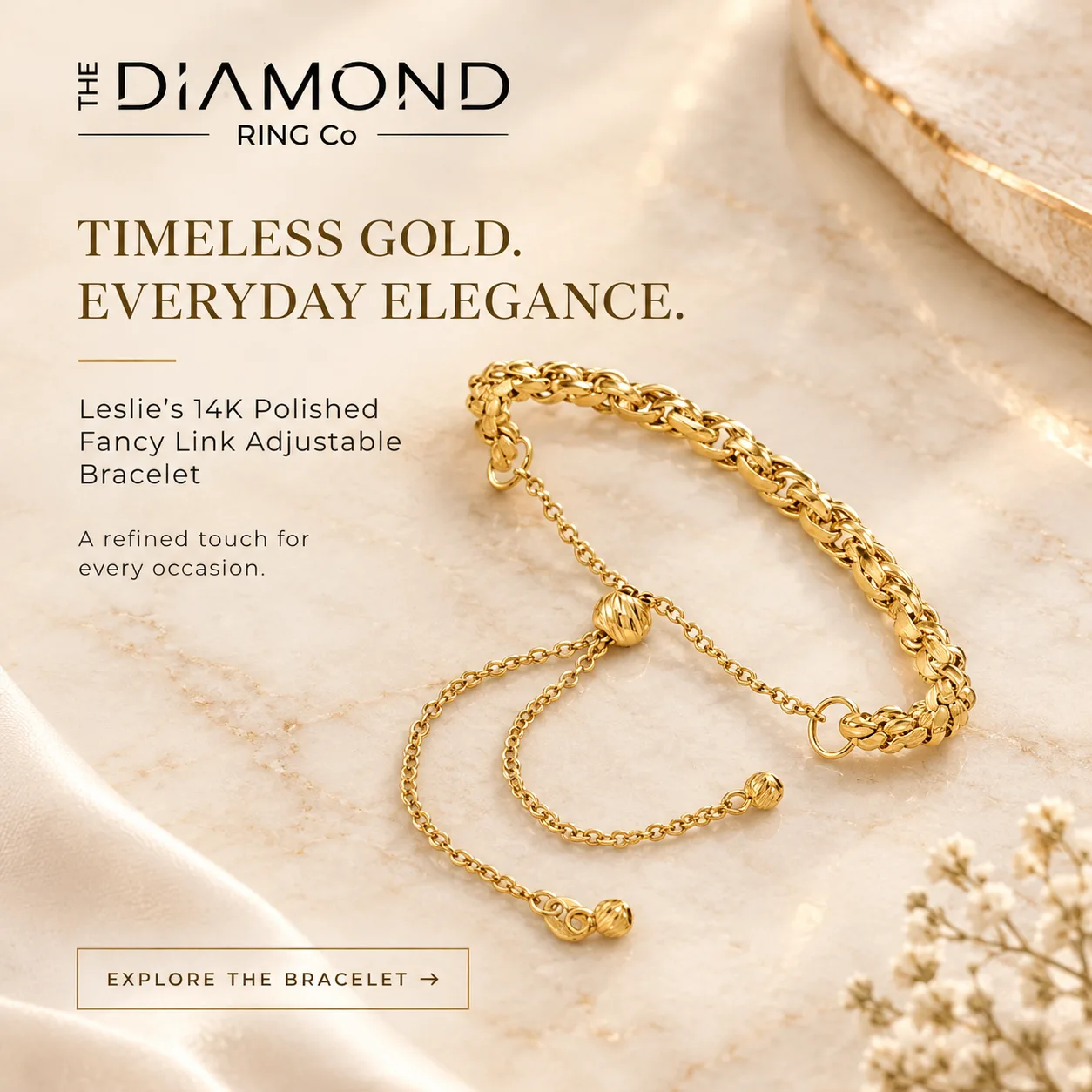
A promotion at work, a ten-year anniversary, a graduation from Santa Clara University: life in this part of the Bay Area hands you plenty of reasons to mark a moment. A ring says one thing, but a bracelet says something different. It is worn every day, it moves with the wrist, and it catches light during a meeting or a dinner. Many shoppers begin their search at a fine jewelry store Santa Clara residents already know, then discover that the choices go well beyond a simple tennis bracelet.
This post explains what draws buyers to diamond bracelets and how to choose one wisely.
A Gift That Works for Many Occasions
Bracelets suit more milestones than almost any other piece. They work for birthdays, anniversaries, a new job, a push present, or a thank-you to a mother or sister. They also avoid the sizing stress that comes with rings, since a bracelet has more room for error.
Wrist size still matters, of course. Measure the wrist with a soft tape and add about half an inch for comfort. Most women’s bracelets run around 7 inches, but your measurement matters more than the average.
Why Elegant Diamond Bracelets Pair Well With Daily Life
Many people in the South Bay dress for work and then head straight to dinner or an event. Elegant diamond bracelets make that easy, because a slim, flexible line of stones looks polished with a blazer and equally good with a casual shirt.
A bracelet also sits in view while you type, gesture, or hold a coffee. That visibility is part of the appeal, since you get to enjoy it throughout the day.
Pieces that are very delicate can snag on sleeves, so ask how the links are joined. Sturdy construction makes a real difference over years of wear.
Understanding the Details That Set Quality Apart
Start with total carat weight. A bracelet might hold 1 carat in total across dozens of small stones, or 5 carats or more. Ask for the number in writing, along with the color and clarity range.
Next, look at the setting. Four-prong settings show more of each diamond and let in more light. Bezel and illusion settings sit lower and wrap more metal around each stone, which protects them from bumps.
Finally, check the clasp. A box clasp with a safety latch keeps the bracelet on your wrist, while a loose clasp is the most common reason bracelets are lost. If a salesperson does not mention a safety latch, ask about it.
Natural or Lab-Grown
Both kinds of diamonds are real diamonds, and they look the same to the eye. The difference is origin and price. Lab-grown stones usually cost less for the same size, which means you may get a larger total weight for your budget.
Natural diamonds tend to hold value differently, and some buyers prefer their origin. Ask the jeweler for a grading report for either type and compare the specifications fairly.
Luxury Without Waste
The term luxury bracelets can mean very different things. Sometimes it means a famous name. Other times it means careful construction, a good clasp, and stones matched for color. Do not pay for a label if the build quality is average.
Hold the bracelet and look at how the links move. They should glide without gaps, and the stones should sit evenly. Weight matters too, because a light, hollow-feeling piece may not last.
For women’s bracelets, a delicate chain with small stones can suit a smaller wrist, while a wider line of larger diamonds makes more of a statement. Try several styles before you choose, since one that looks perfect in a photo may look different on your arm.
Where to Shop and What to Ask
Visit in person if you can. The Diamond Ring Co. has a store at Westfield Valley Fair, on the Santa Clara and San Jose border, and the website lists fine jewelry alongside its bridal range. Ask what bracelet styles are in stock, what the warranty covers, and whether cleaning and repair are available.
Bring a budget, a wrist measurement, and a photo of any style she has admired. A good salesperson should explain the trade-offs without pushing the most expensive piece.
If you are building a set with earrings or a pendant, mention it early. Matching diamond jewelry works best when the metals and finishes agree.
Keeping It Bright
A bracelet gets more contact than a pendant, so it needs regular care. Soak it in warm soapy water and brush gently with a soft toothbrush. Dry it with a lint-free cloth.
Have a jeweler check the clasp and settings once or twice a year. Catching a loose stone early costs far less than replacing one.
Take your time, ask for everything in writing, and sleep on the decision. With the right questions, a visit to a fine jewelry store Santa Clara shoppers trust can lead to a bracelet worth wearing for decades.