Loxley homeowners often face insulation mold problems because traditional materials like fiberglass batts fail to manage the intense Gulf Coast humidity. When warm, moist air enters a crawl space or attic and hits a cool surface, it creates condensation that gets trapped within porous insulation.
This moisture creates a perfect breeding ground for fungal growth, leading to poor air quality and structural damage. Choosing the right material for this specific climate is the only way to prevent these recurring issues in Alabama homes.
This guide explains how your choice of materials impacts your home health and why specific regional solutions work better than others. Supported by years of field data from building scientists, it is clear that local weather patterns require a specialized approach to home efficiency.

How Humidity Drives Insulation Mold Problems in Alabama
The primary reason for insulation mold problems in Loxley is the high vapor pressure found in coastal environments. During the summer, the outdoor air is saturated with water. If your home uses standard fiberglass, that high vapor pressure forces moisture to move freely through the fibers.
When that moist air reaches the back of your drywall or the wooden joists, it cools and turns into liquid water. Because fiberglass and cellulose are porous, they act like a sponge, holding that water against your home's wooden frame for weeks.
In many cases, the mold isn't just on the surface but deep within the material itself. This makes simple cleaning impossible and usually requires complete residential insulation services to protect the household from airborne spores.
Common Problems With Traditional Materials
Many older homes in Baldwin County rely on blown-in cellulose or fiberglass batts. While these are affordable, they are often the worst performers in high-moisture areas. They lack the density to stop airflow, which is a major contributor to condensation.
- Fiberglass Batts: These create air gaps where moisture accumulates and hidden mold colonies thrive.
- Cellulose: Made of recycled paper, this material can absorb a massive amount of water before it feels wet, hiding problems for years.
- Mineral Wool: While better at resisting fire, it still allows air movement that leads to humidity buildup.
Bonus Tip: Check your attic during a heavy rainstorm. If you smell a musty odor, your insulation is likely holding onto moisture even if you don't see a leak.
Comparing Insulation Performance in Humid Climates
The following table shows how different materials handle the specific challenges found in Loxley and the surrounding coastal areas.

The Science of a Spray Foam Moisture Barrier
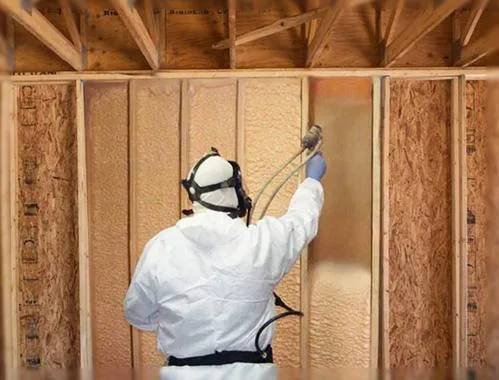
Using a spray foam moisture barrier is often the most effective way to solve these issues. Unlike other materials, spray foam expands to fill every crack and crevice, creating a tight seal that prevents humid air from entering the building envelope.
Closed-cell foam is particularly effective because it is "impermeable," meaning water cannot pass through it at all. When you apply this to your roofline or crawl space, you effectively move the "boundary" of your home to the outside, keeping the interior structure dry and stable.
By stopping the air exchange, you remove the food source for mold. Fungi need moisture to grow, and without the constant influx of humid Alabama air, the risk of growth drops to almost zero.

Finding the Best Mold-Resistant Insulation
The best mold-resistant insulation for a humid climate does not provide a food source for organic growth and prevents air infiltration. Inorganic materials are generally superior because mold cannot eat plastic or foam like it can the paper backing on fiberglass batts.
You should look for materials that have a high R-value per inch while also acting as an air barrier. This dual-purpose function is what keeps the dew point outside of your wall cavities.
Bonus Tip: If you are building a new home, insist on an "unvented" attic design using spray foam. This keeps your HVAC equipment in a conditioned space, reducing the chance of ductwork sweating and mold growth.
Factors to Review Before Updating Your Home
While choosing the right insulation company in Loxley, AL, is critical, you must also evaluate several external variables to ensure the long-term success of your renovation project.
- Current Airflow: Identify where air is leaking into your home, such as around light fixtures, plumbing stacks, or rim joists.
- Drainage Issues: Ensure your gutters and yard grading are moving water away from the foundation before you address the insulation.
- Ventilation Needs: A tighter home might require mechanical ventilation to ensure fresh air circulates properly without bringing in raw humidity.
- Local Codes: Alabama building codes have specific requirements for R-values that must be met during any renovation.
Why Local Experience Matters for Coastal Homes
Loxley is not like the inland parts of the country. The proximity to the Gulf of Mexico means the salt air and constant humidity levels require specific application techniques. A generic approach often leads to failure within just a few years.
Professional installers in this region understand that the best insulation for a humid climate needs to be installed with precision. If there are even small gaps in the air seal, the humidity will find its way in, leading back to the same mold issues you tried to fix.
The Importance of Proper Removal
If you already have a mold problem, you cannot simply cover it up with new material. This is why insulation removal Loxley is a necessary first step. The old, contaminated material must be vacuumed out or manually removed safely.
The underlying wood should be treated and dried completely before any new material is installed. Skipping this step is a common mistake that leads to "sandwiching" mold between your old walls and new insulation, which can cause structural rot over time.
Long-Term Benefits of Humidity Management
When you address the root cause of moisture, you get more than just mold protection. You also see a significant drop in your monthly cooling costs. Since your air conditioner doesn't have to work as hard to remove humidity, the unit lasts longer and uses less electricity.
A dry home is also less attractive to pests like termites and cockroaches, which thrive in the damp environments created by traditional, soggy insulation.

Helpful Support for Your Loxley Home Insulation Needs
If you are worried about the air quality in your home or have noticed a spike in your utility bills, it might be time to look at your attic or crawl space. Experts like Prestige Insulation Solutions can help you identify exactly where your home is failing to manage moisture. You can reach out to them at prestigeinsulationsolutions@gmail.com or call (850) 429-4969 to discuss your specific situation. They are located near you, which you can see on this map: https://maps.app.goo.gl/5KkcCP6hxu8nYUGt6. Getting a free quote is a great way to understand your options without any immediate commitment.
What People Often Ask About Coastal Insulation
How do I know if my insulation is moldy?
You can often tell by a lingering musty smell, dark staining on the material, or increased allergy symptoms when the HVAC system is running.
Can I just spray bleach on moldy fiberglass?
No, bleach is mostly water and can actually encourage more mold growth on porous surfaces. The material must be removed and replaced.
Is spray foam safe for older Loxley homes?
Yes, but it requires a professional assessment to ensure the structure can handle the air sealing and that proper ventilation is maintained for the occupants.
Does insurance cover insulation mold problems?
Usually, insurance only covers mold if it resulted from a sudden water leak. Mold caused by humidity or poor insulation choices is typically considered a maintenance issue.
How long does spray foam last in a humid climate?
High-quality spray foam is designed to last for the life of the building, as it does not sag, settle, or degrade when exposed to moisture.
Final Thoughts on Home Protection
Managing moisture is the most important task for any homeowner in Loxley. By moving away from porous, air-permeable materials and toward modern solutions like spray foam, you protect your property from rot and your family from mold. Evaluate your home's current performance and consider how a more robust air barrier could improve your comfort and safety. Taking action now prevents much more expensive structural repairs in the future.