Formal events often call for décor that feels polished, warm, and memorable. The right fabric can make a big difference, even when the overall design is simple. From wedding receptions to award nights and gala dinners, velvet and crushed velvet offer rich textures that can give a venue a more refined look. Their soft surfaces, deep colors, and different light effects make them interesting choices for event styling.
Although both fabrics have a plush appearance, they create different visual effects. Traditional velvet has a smooth, even surface, while crushed velvet features irregular patterns that catch the light from different angles. Knowing how each one works can help event decorators create settings that feel elegant without looking too overdone.
A Rich Texture That Adds Depth to Event Décor
One reason velvet works so well in formal settings is its soft, dense pile. This gives the fabric a rich texture that stands out against smoother materials such as satin, polyester, or plain cotton. Even a small velvet detail can add depth to an otherwise simple design.
Event planners can use it for table runners, chair accents, stage backdrops, decorative panels, and lounge seating. Its surface also creates an interesting contrast with metallic decorations, glassware, and polished furniture. As a result, decorators can build a layered look without adding too many colors or accessories.
Velvet is available in different weights and fiber blends, so its appearance and performance can vary. Some versions have a soft drape, while others feel heavier and hold their shape better. This makes fabric selection an important part of planning.
How Crushed Velvet Creates a More Dynamic Look
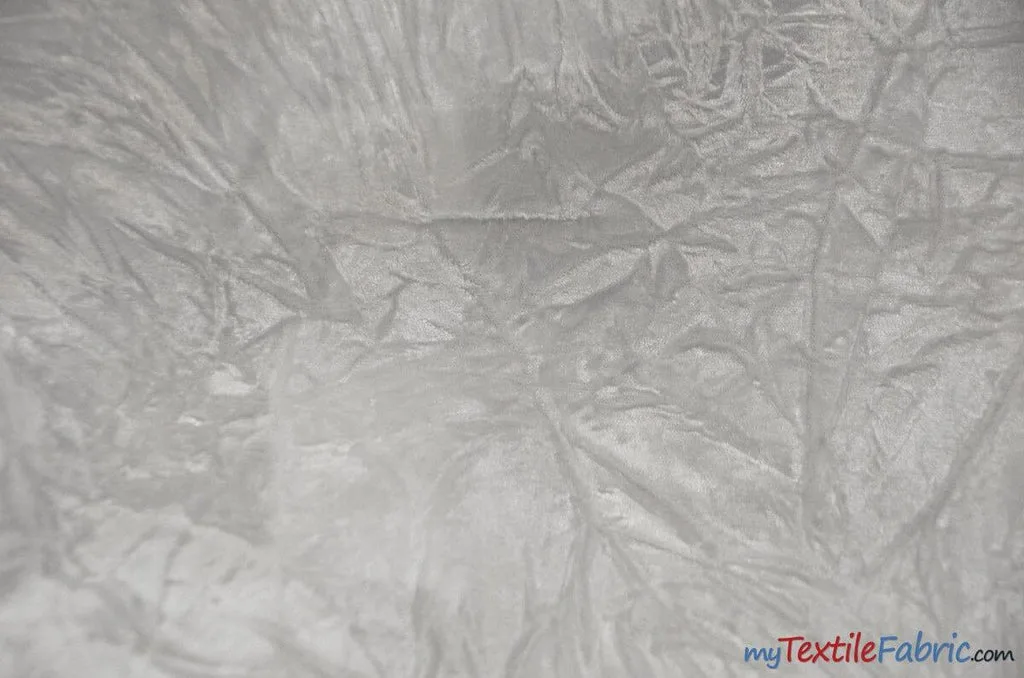
Traditional velvet has a smooth finish, but crushed velvet brings a little more movement to the design. Its surface has irregular creases and patterns that reflect light in different ways. This creates a changing appearance as guests move around the venue or the lighting shifts.
For formal event styling, this texture can make a backdrop or decorative panel feel more interesting. It also works well for photo areas, stage settings, and feature walls where decorators want the fabric itself to become part of the visual display.
The appeal of crushed velvet fabric comes from its uneven surface. Rather than looking flat, it has a textured finish that can add character to a space. Deep shades such as burgundy, emerald, navy, and plum can make this effect stand out, while lighter colors may create a softer and more subtle look.
Creating Elegant Wedding and Reception Settings
Weddings are a natural fit for velvet-based décor because the fabric can support both classic and modern themes. Deep-colored velvet table runners can add contrast to white tablecloths, while soft chair accents can bring a coordinated look to the seating area.
For winter weddings, heavier velvet details can make the venue feel warm and inviting. Pairing them with candles, warm lighting, gold accents, and floral arrangements can create a rich setting without making the décor feel crowded.
Crushed velvet offers another way to style wedding spaces. It can be used for photo backdrops, stage panels, or decorative drapes. Its textured surface adds visual interest, especially when soft lighting highlights its folds. However, decorators should balance it with simpler materials so the overall setup does not feel too busy.
Using Velvet for Stages, Backdrops, and Lounge Areas
Formal events often have specific areas that need to stand out. A stage, presentation wall, or lounge corner can become a focal point with the right fabric treatment.
Smooth velvet is useful for creating a clean and polished backdrop. Its even surface can support a classic look for award ceremonies, business galas, and formal dinners. It can also be used on lounge furniture or decorative cushions to connect different areas of the venue.
Crushed velvet works well when a more textured display is needed. Its natural pattern can make a plain backdrop feel less basic, even without extra decoration. Still, the fabric should be installed carefully. Uneven hanging, unwanted creases, or poor lighting can affect the final appearance.
Pairing Velvet With Other Event Fabrics
Using one fabric throughout an event can make the décor feel repetitive. Mixing textures is a better way to create variety while keeping the theme connected.
Velvet pairs nicely with chiffon, satin, organza, and sheer polyester fabrics. Each material brings something different to the setup. Chiffon adds a light, flowing effect, while satin introduces a smooth shine. Organza can create delicate layers, and velvet provides a deeper texture.
For instance, decorators can use velvet table runners with sheer ceiling drapes or combine a crushed velvet backdrop with satin-covered tables. The contrast helps each material stand out. However, it is best to choose a clear color palette before mixing fabrics. Too many competing shades and textures can make the venue look cluttered.
Choosing the Right Color and Finish
Color plays a major role in how velvet appears under event lighting. Dark shades often create a dramatic and formal atmosphere, making them suitable for evening receptions and gala events. Lighter tones, such as champagne, dusty rose, and soft gray, can support a more relaxed and understated style.
The finish matters too. Smooth velvet offers a more uniform appearance, while crushed velvet has a varied surface that creates shifting highlights. Before placing a large order, decorators should check fabric samples under lighting similar to the venue. This simple step can prevent surprises after installation.
It is also worth checking the fabric's weight, width, backing, and care instructions. These details affect how easily it can be cut, draped, sewn, or attached to event structures.
Practical Details to Consider Before Styling
Looks are important, but event fabrics also need to work well during setup and throughout the event. Velvet can collect dust and may show pressure marks depending on its pile and construction. Crushed versions can have their own care needs, so decorators should follow the supplier's cleaning and handling guidance.
For large installations, check the venue's rules for flame-retardant materials and use properly documented fabrics where required. Also, secure all drapes and panels with suitable hardware. Heavy fabric should never be attached to weak supports or placed where it could block exits, walkways, or safety equipment.
Bringing a Formal Event Theme Together
Velvet and crushed velvet give event decorators two different ways to add texture and character to formal spaces. Smooth velvet supports a classic, polished appearance, while crushed styles bring more movement and visual depth. Both can work across weddings, gala dinners, award ceremonies, and private celebrations.
The key is to use each fabric with a clear purpose. A few well-placed details, paired with suitable colors and complementary materials, can create a setting that feels elegant and thoughtfully planned.