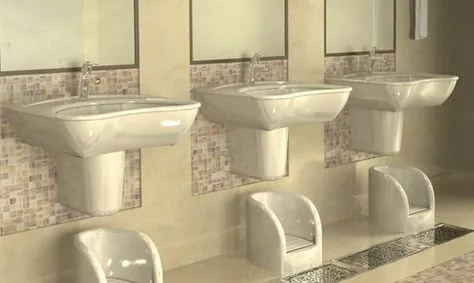
In modern infrastructure projects such as mosques, airports, schools, and commercial complexes, ablution areas are essential facilities that must combine hygiene, safety, and long-term reliability. A well-designed Wudu Wash Basin is not just about appearance—it is about performance under continuous daily use.
For manufacturers and exporters in the sanitary ware industry, material selection plays a critical role in product quality and market competitiveness. Durable materials not only extend product lifespan but also strengthen brand reputation in international trade. A high-quality Wudu Wash Basin demonstrates how material engineering directly impacts functionality, maintenance, and global demand.
The Role of Materials in Ablution Facility Performance
Wudu wash areas are exposed to constant water usage, temperature changes, and heavy foot traffic. This makes material durability one of the most important factors in product design.
Strong materials help ensure:
- Long-term structural stability
- Resistance to moisture damage
- Reduced maintenance requirements
- Improved hygiene performance
- Better user safety
In export markets, these qualities are often key decision-making factors for buyers and project contractors.
Common Materials Used in Wudu Wash Basin Manufacturing
Different materials are used in the production of modern ablution systems, each offering specific advantages depending on the application.
Solid Surface Materials
Solid surface materials are widely used due to their smooth finish and non-porous nature. They offer:
- Seamless design flexibility
- Easy cleaning and maintenance
- Resistance to stains and bacteria
These features make them ideal for high-traffic public facilities.
Ceramic and Porcelain
Ceramic-based materials are traditional yet still widely used. They provide:
- Strong resistance to water absorption
- Glossy, easy-to-clean surfaces
- Cost-effective production options
However, they may be more prone to cracking under heavy impact compared to newer materials.
Engineered Stone and Composites
Engineered stone is increasingly popular in modern designs. It offers:
- High durability and strength
- Resistance to scratches and impact
- Premium aesthetic appeal
This makes it suitable for commercial and high-end projects.
Stainless Steel Components
While not used for the entire basin structure, stainless steel is often used in fittings and drainage systems due to its corrosion resistance and long service life.
Why Durability Is Essential in High-Traffic Environments
Wudu facilities are used multiple times daily by large groups of people. In such environments, weak materials quickly show signs of wear and damage.
Durable materials help:
- Prevent cracks and surface erosion
- Reduce repair frequency
- Maintain hygiene standards over time
- Ensure consistent water flow performance
For facility managers, durability translates directly into lower long-term operational costs.
Impact on Hygiene and Maintenance
Material choice also affects cleanliness and hygiene performance. Non-durable or porous surfaces can absorb moisture and become difficult to clean over time.
High-quality materials offer:
- Non-porous surfaces that resist bacteria
- Smooth finishes that prevent dirt buildup
- Easy cleaning without harsh chemicals
- Long-lasting aesthetic appearance
This is especially important in shared public environments where hygiene is a top priority.
Cost Efficiency and Long-Term Value
While durable materials may have higher initial costs, they offer significant long-term savings. Reduced maintenance, fewer replacements, and lower repair costs contribute to better return on investment.
Key cost benefits include:
- Lower maintenance labor requirements
- Fewer replacement cycles
- Reduced water leakage issues
- Extended product lifespan
For large-scale projects, these savings become even more significant.
Importance for Export and Global Market Demand
In international markets, buyers prioritize reliability and long-term value. Exporters who focus on durable material solutions can better meet the expectations of architects, contractors, and government projects.
Effective export positioning includes:
- Highlighting material specifications clearly
- Showcasing durability testing results
- Promoting long-term performance benefits
- Targeting infrastructure development projects
Durability is often a deciding factor in procurement decisions, especially for large public installations.
Design Innovation Supported by Strong Materials
Modern design trends require materials that support both aesthetics and functionality. Durable materials allow manufacturers to create innovative shapes, ergonomic structures, and seamless installations without compromising strength.
This enables:
- Flexible design customization
- Improved user comfort features
- Integration with modern architectural styles
- Enhanced product lifespan without design limitations
Conclusion
Durable materials are the foundation of high-quality Wudu Wash Basin manufacturing. They ensure long-term performance, improved hygiene, and reduced maintenance costs while supporting modern design innovation.
For exporters and manufacturers, investing in strong material technology is not only a production decision but also a strategic advantage in global markets. As demand for reliable ablution solutions continues to grow, durability remains one of the most important factors driving product success and international competitiveness.