Every household faces situations that require quick thinking, sound judgment, and an understanding of basic safety principles. While most families hope they never encounter serious emergencies, unexpected situations can arise without warning. Accidents, medical emergencies, natural disasters, and household hazards can affect anyone regardless of age, location, or lifestyle.
Basic safety knowledge provides families with valuable tools that help them respond more effectively when challenges occur. Learning these skills is not only about preparing for worst-case scenarios but also about creating a safer and more confident environment for everyone in the home. When family members understand how to identify risks and respond appropriately, they are better equipped to protect themselves and support one another.
Safety Awareness Helps Prevent Accidents
One of the greatest benefits of basic safety knowledge is accident prevention. Many household injuries occur because people are unaware of potential hazards or fail to recognize risks before they become serious problems. Education helps individuals identify dangers and take steps to reduce them before accidents occur.
Families who understand safety principles are often more attentive to issues such as slippery floors, electrical hazards, unsafe storage practices, and fire risks. This awareness encourages proactive behavior that helps reduce the likelihood of injuries. Small preventive measures can make a significant difference in maintaining a safe home environment.
Safety awareness also creates positive habits that can last a lifetime. Children who learn safe practices at an early age often carry those lessons into adulthood, helping them make better decisions throughout their lives.
Emergencies Can Happen Without Warning
Even the most carefully maintained households can experience unexpected emergencies. Medical incidents, severe weather events, choking accidents, burns, and falls can occur when they are least expected. Because emergencies often develop quickly, there may be little time to search for information or determine the best course of action.
Basic safety knowledge helps people respond more confidently during these situations. Individuals who understand emergency procedures are often better prepared to remain calm and focus on helping rather than panicking. Preparation can improve decision-making and allow families to act more effectively while waiting for professional assistance.
Knowing what to do during the first moments of an emergency can be incredibly valuable. While professional responders play an essential role, immediate action from someone nearby may help stabilize a situation until help arrives.
Children Benefit From Early Safety Education
Teaching children about safety helps them develop awareness and responsibility from an early age. While lessons should always be age-appropriate, even young children can learn valuable concepts related to fire safety, emergency communication, and personal protection. These lessons help prepare them to respond appropriately in various situations.
Children who receive safety education often become more aware of their surroundings and more likely to recognize potential dangers. They may learn how to seek help, follow emergency instructions, and make safer choices during daily activities. These skills support both independence and personal well-being.
Parents also benefit when children understand basic safety principles. A shared understanding of household expectations and emergency procedures helps create a more coordinated and prepared family environment.
Preparing for Medical Emergencies
Medical emergencies are among the most common situations where safety knowledge can be valuable. A family member, visitor, or neighbor may suddenly require assistance because of an injury or health-related incident. Understanding how to recognize emergencies and respond appropriately can help reduce confusion and improve readiness.
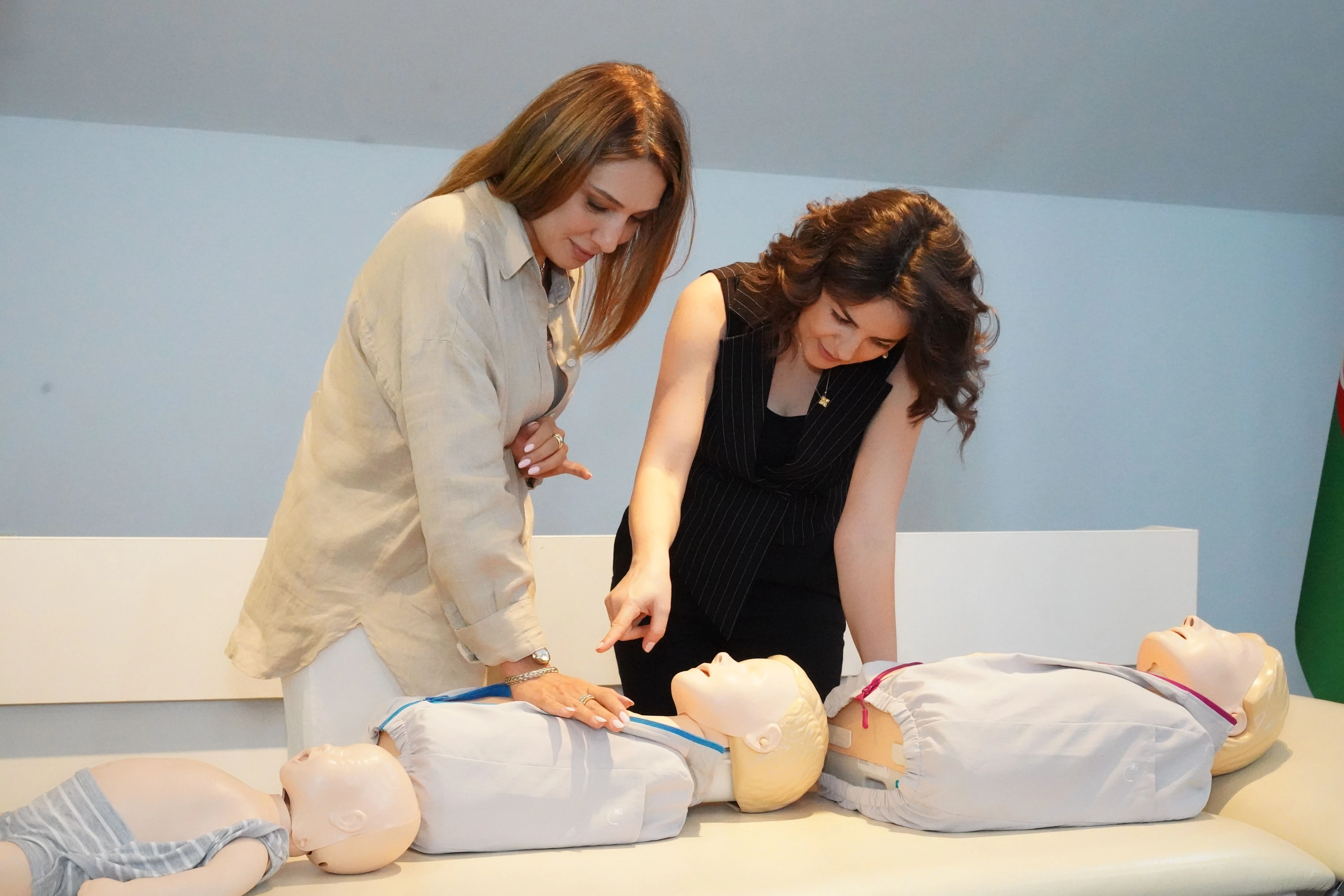
Many individuals explore free cpr certification opportunities because they want to gain emergency response knowledge without significant financial barriers. Learning basic lifesaving techniques can increase confidence and help families feel more prepared to respond if a medical emergency occurs at home. Accessible training opportunities make it possible for more people to acquire these valuable skills.
Building Strong Family Communication
Safety education often encourages important conversations among family members. Discussing emergency plans, evacuation procedures, emergency contacts, and household safety rules helps ensure that everyone understands what to do during difficult situations. Clear communication reduces confusion and improves coordination.
When family members regularly discuss safety topics, they become more comfortable addressing concerns and asking questions. This open dialogue creates opportunities for continuous learning and improvement. Strong communication also helps ensure that important information is shared consistently throughout the household.
Conclusion
Every household can benefit from basic safety knowledge because emergencies, accidents, and unexpected situations can affect anyone at any time. Understanding how to recognize risks, communicate effectively, and respond appropriately helps create a safer and more confident environment for all family members.
Safety education supports accident prevention, emergency preparedness, stronger communication, and greater peace of mind. While no family hopes to face a crisis, being prepared provides valuable reassurance and the ability to respond effectively when challenges arise. Investing in basic safety knowledge is ultimately an investment in the well-being and security of everyone in the household.