Travel trends have changed dramatically over the past decade. Modern travelers are no longer satisfied with simply booking a room and checking tourist attractions off a list. Today, people seek meaningful experiences, authentic cultural connections, architectural beauty, and memories that remain long after the journey ends. This shift has given rise to a new form of tourism where heritage, culture, and luxury blend seamlessly to create unforgettable experiences.
Rajasthan, often referred to as the Land of Kings, stands at the center of this transformation. Known for its magnificent forts, grand palaces, vibrant traditions, and royal history, the state offers visitors a chance to experience a world that feels both timeless and inspiring. Across the region, travelers are increasingly choosing heritage properties over conventional hotels because they provide a deeper connection to the destination itself.
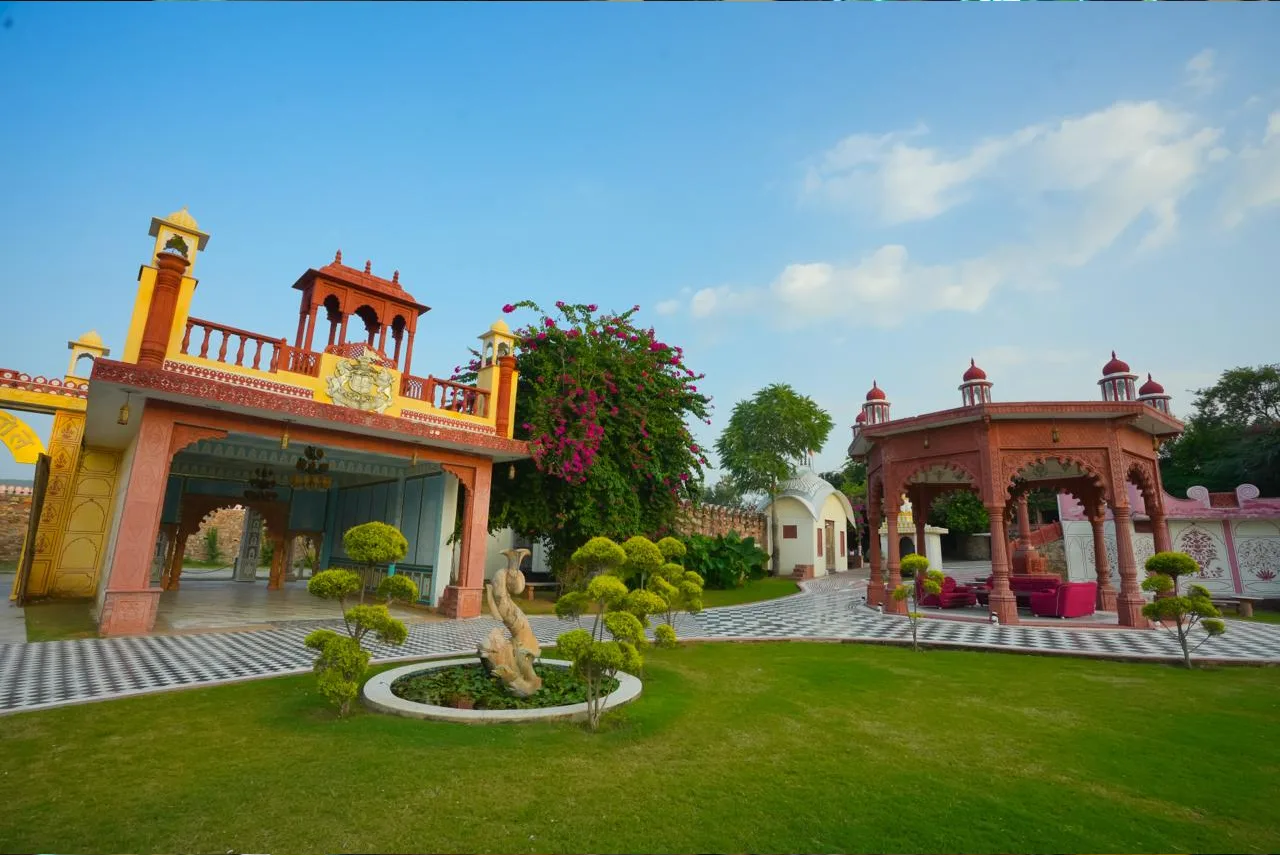
One of the reasons heritage tourism continues to grow is the emotional value it offers. Unlike standard accommodations that often look similar regardless of location, heritage resorts tell stories. Their architecture reflects centuries of craftsmanship, their courtyards echo historical traditions, and their surroundings provide a glimpse into the cultural fabric of Rajasthan. Every corner becomes part of a larger narrative that allows guests to immerse themselves in the destination rather than merely visit it.
The appeal of heritage travel extends far beyond architecture. It creates opportunities to engage with local culture in meaningful ways. Traditional folk performances, regional cuisine, handcrafted décor, village-inspired experiences, and age-old hospitality practices help visitors understand the essence of Rajasthan. Such experiences create stronger memories because they are rooted in authenticity rather than routine tourism.
Families, in particular, are embracing heritage travel because it offers something valuable for every generation. Children gain exposure to history and culture in an engaging environment, while adults appreciate the tranquility and elegance that heritage settings provide. Grandparents often find a sense of nostalgia in traditional architecture and cultural activities. The result is a shared experience that bridges generations and creates lasting family memories.
Nature also plays an important role in enhancing heritage tourism. Many heritage properties are designed around natural landscapes that complement their architectural beauty. Expansive gardens, water bodies, ancient trees, and open courtyards create environments that encourage relaxation and reflection. These spaces allow guests to disconnect from urban stress and reconnect with both nature and themselves.
Another significant factor driving the popularity of heritage travel is the desire for personalized experiences. Large commercial hotels often operate on standardized models designed to accommodate high volumes of guests. Heritage resorts, on the other hand, frequently focus on creating unique experiences that reflect local traditions and individual preferences. This approach fosters a sense of exclusivity and warmth that travelers increasingly value.
The rise of destination celebrations has further strengthened interest in heritage venues. Weddings, anniversaries, milestone birthdays, and family reunions are no longer confined to banquet halls or city hotels. People now seek locations that provide a distinctive atmosphere and memorable backdrop for their special occasions. A well-designed Destination wedding resort in Jaipur offers not only beautiful venues but also an immersive cultural experience that transforms celebrations into extraordinary events.
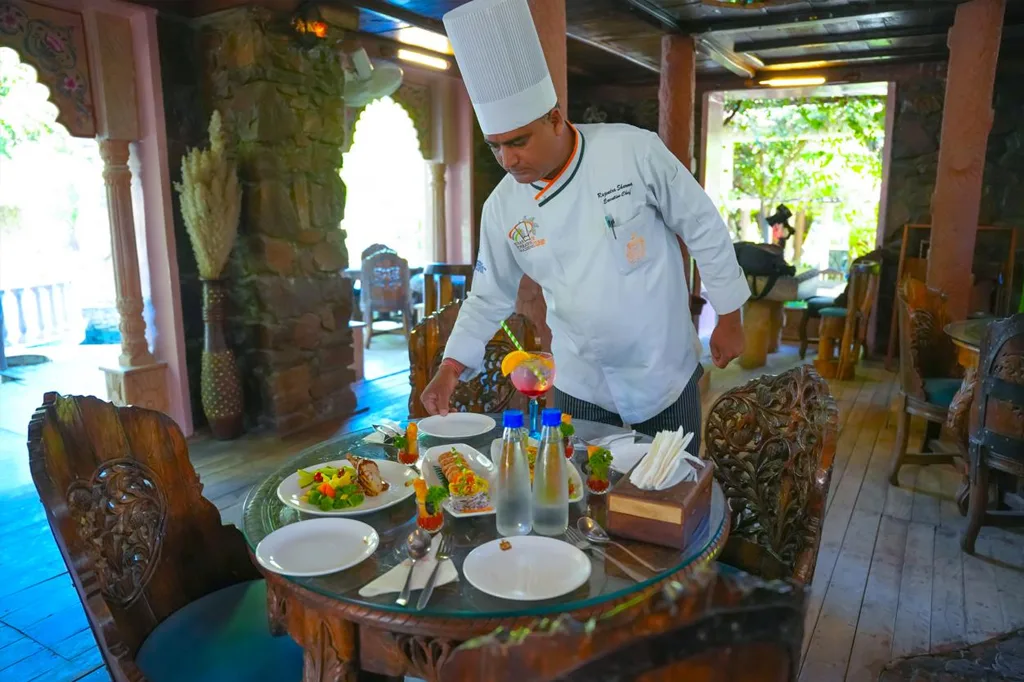
Food is another essential element of the heritage travel experience. Rajasthan's culinary traditions are deeply connected to its history, geography, and royal legacy. Guests often have the opportunity to enjoy authentic regional dishes prepared using traditional methods and locally sourced ingredients. Dining becomes more than a meal—it becomes a journey through the flavors and stories of the region.
Photography enthusiasts are also drawn to heritage destinations because they provide endless visual inspiration. Intricately carved arches, majestic gateways, royal courtyards, colorful interiors, and scenic landscapes create stunning opportunities for capturing memorable moments. In an era where travel experiences are often shared digitally, visually captivating destinations hold even greater appeal.
Wellness has become another important aspect of modern travel, and heritage properties are uniquely positioned to support it. Their peaceful surroundings, slower pace, and connection to nature create an ideal environment for relaxation and rejuvenation. Whether through yoga sessions, meditation spaces, nature walks, or simply quiet moments in beautifully designed gardens, guests can experience a sense of balance that is often difficult to find in busy urban environments.
The concept of luxury itself has evolved. Previously, luxury was often associated with extravagant facilities and material indulgence. Today, luxury is increasingly defined by authenticity, exclusivity, comfort, and meaningful experiences. Travelers value privacy, personalized service, cultural immersion, and emotional connections. This evolution has elevated the importance of heritage hospitality because it naturally embodies these qualities.
Rajasthan's heritage destinations offer an exceptional example of this new luxury. Visitors are not simply purchasing accommodation; they are investing in experiences that enrich their understanding of history, culture, architecture, and local traditions. The combination of royal ambiance and modern comfort creates a unique balance that appeals to both domestic and international travelers.
For many visitors exploring Rajasthan, finding the Best Resort in Jaipur is not solely about comparing amenities or room categories. It is about discovering a destination that captures the spirit of the region while providing memorable experiences that cannot be replicated elsewhere. Heritage properties excel in this regard because they combine storytelling, architecture, hospitality, and cultural authenticity into a single experience.
The growing popularity of experiential travel suggests that heritage tourism will continue to thrive in the coming years. As travelers seek deeper connections with destinations, properties that preserve and celebrate local culture will become increasingly valuable. Heritage resorts serve as living bridges between the past and the present, allowing guests to appreciate history while enjoying modern comforts.
This trend is particularly significant in Rajasthan, where centuries of royal heritage remain beautifully preserved. Travelers have the opportunity to experience architectural grandeur, cultural richness, and timeless hospitality in settings that reflect the state's extraordinary legacy. A thoughtfully designed Luxury Heritage resort in Jaipur demonstrates how heritage and modern luxury can coexist, offering guests an experience that feels both authentic and contemporary.
Ultimately, the true value of heritage travel lies in its ability to create stories. Long after a journey ends, travelers remember the atmosphere of ancient courtyards, the warmth of traditional hospitality, the flavors of regional cuisine, and the beauty of Rajasthan's timeless landscapes. These memories become far more meaningful than any standard hotel stay because they are rooted in culture, history, and human connection.
As travel continues to evolve, heritage experiences will remain among the most sought-after forms of tourism. They offer something increasingly rare in today's fast-paced world: the opportunity to slow down, connect with the past, appreciate authenticity, and create memories that endure for a lifetime.