
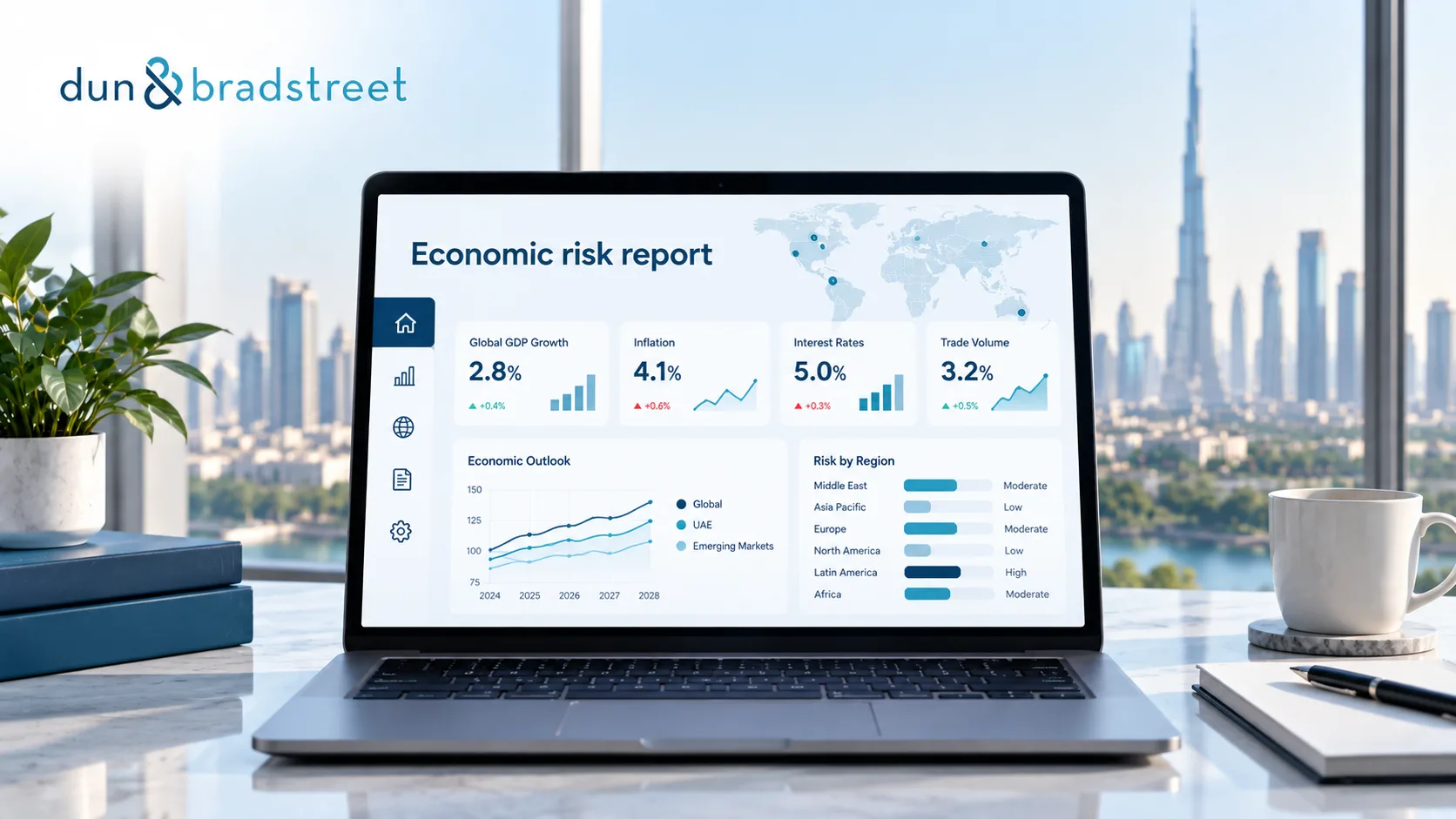
Business strategy is often built around internal priorities such as revenue growth, operational efficiency, customer acquisition, investment, and cost control. Yet many of the factors that can disrupt these plans originate outside the organisation. Inflation, interest rates, currency movements, economic slowdowns, geopolitical developments, and changes in global trade can quickly alter the environment in which a business operates.
This is why macroeconomic risk should be treated as a core component of strategic planning. Companies that understand how external economic forces affect their operations, customers, suppliers, and markets are better positioned to make informed decisions and respond when conditions change.
What Is Macroeconomic Risk?
Macroeconomic risk refers to the potential impact of broad economic conditions on a company’s financial performance and strategic objectives. These risks are not limited to recessions. They can emerge from a wide range of developments, including rising inflation, changing interest rates, currency volatility, shifts in GDP growth, commodity price movements, regulatory changes, and disruptions to global supply chains.
The level of exposure varies between businesses. A company that relies heavily on imported materials may be particularly sensitive to currency movements, while a highly leveraged business may be more exposed to interest-rate increases. Companies operating across several countries may also face different levels of economic, political, and regulatory risk in each market.
Economic Trends Can Change Business Assumptions
Every business plan is based on assumptions. Management teams estimate future demand, pricing, operating costs, financing requirements, and expansion opportunities. Macroeconomic conditions can change these assumptions faster than expected.
For example, inflation can increase the cost of raw materials, logistics, labour, and utilities. Higher interest rates can raise borrowing costs and reduce the attractiveness of certain investments. Slower economic growth may weaken customer demand, while currency fluctuations can affect import costs and the value of international revenues.
Businesses that monitor these trends regularly can adjust their assumptions before the impact becomes severe. This may involve revising budgets, changing pricing strategies, delaying investments, or strengthening working capital controls.
Why Market Volatility Requires Better Risk Visibility
Periods of market volatility create uncertainty across multiple areas of business. Companies may find it more difficult to forecast demand, negotiate supplier contracts, set prices, or assess the financial strength of customers and partners.
Better risk visibility helps businesses understand whether a change is limited to an individual company or reflects a broader industry or economic trend. Combining macroeconomic information with commercial data, payment behaviour, market intelligence, and company-level financial information can provide a more complete view of risk.
This is especially important when businesses make decisions involving credit, procurement, investment, or market expansion. The more uncertain the environment becomes, the more valuable reliable data becomes.
Country Exposure Can Create Additional Risk
For businesses operating internationally, macroeconomic risk also includes country exposure. Economic stability, currency conditions, political developments, access to finance, trade restrictions, and regulatory changes can vary significantly from one market to another.
This is particularly relevant for UAE companies with customers, suppliers, investments, or distribution networks across the GCC, Asia, Africa, Europe, and other regions.
Understanding country-level risk can help businesses identify where stronger controls may be required. A company may decide to diversify suppliers, tighten payment terms, conduct additional due diligence, or reduce dependence on a market experiencing increased economic or political uncertainty.
Building Macroeconomic Risk Into Strategic Planning
Businesses do not need to predict every economic event. Instead, they need a structured way to understand exposure and prepare for different outcomes.
Strategic risk planning can include regular monitoring of economic indicators, scenario analysis, stress testing, country and sector risk assessment, supplier and customer portfolio reviews, and periodic evaluation of credit policies.
Scenario planning is particularly useful. A business can assess how it would respond if borrowing costs increased, customer demand weakened, a key currency depreciated, or an important supplier market experienced disruption. These exercises help management teams identify vulnerabilities before they become operational problems.
Companies can also use economic and commercial intelligence to support decisions around market entry, financing, procurement, customer selection, and investment.
Turning Economic Awareness Into Strategic Resilience
Macroeconomic risk affects far more than financial markets. It can influence sales, costs, financing, supply chains, customer behaviour, and long-term investment decisions.
Businesses that integrate economic trends, market volatility, and country exposure into their strategy are better prepared to adapt when conditions shift. Effective planning is not about eliminating uncertainty. It is about understanding where the organisation is exposed and creating options before pressure builds.
For UAE businesses, combining macroeconomic intelligence with country risk insights and reliable commercial data can strengthen strategic decision-making. Solutions from providers such as Dun & Bradstreet can support this process by helping organisations assess markets, counterparties, and emerging risks with greater confidence.