
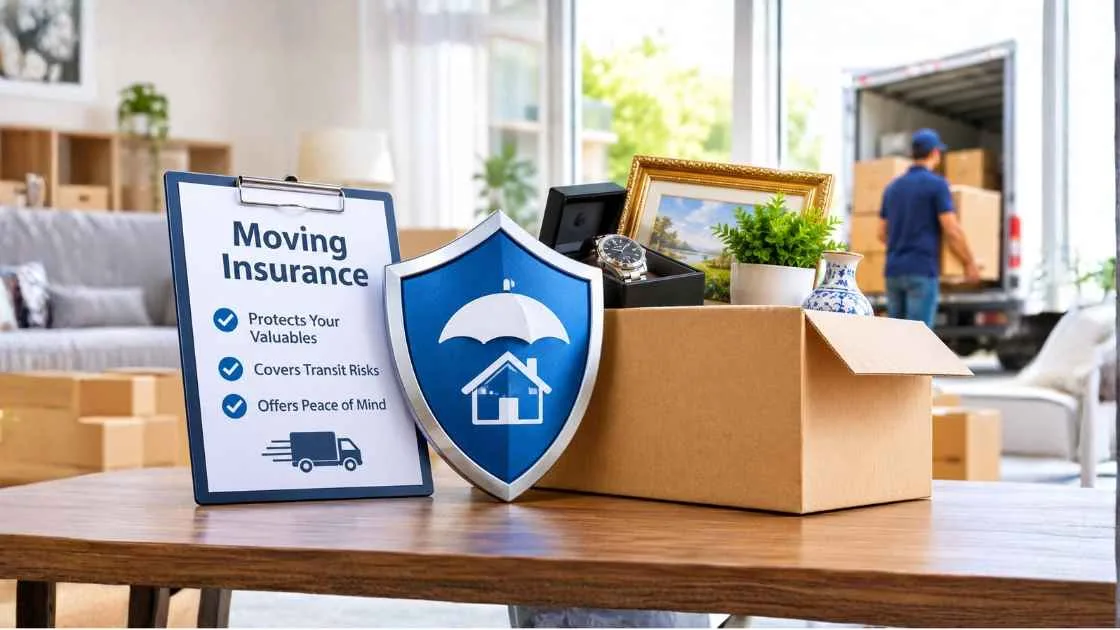
Summary: Moving household or office belongings from one place to another involves several risks, including accidental damage, road accidents, fire and loss during transportation. Moving insurance provides financial protection against specific losses covered under the policy, helping individuals and businesses protect their valuable possessions. Whether you are planning a local household shift or an interstate relocation in India, understanding transit insurance, coverage limits, exclusions and claim procedures can help you make informed decisions and reduce unexpected financial losses.
Shifting to a new home or office involves more than packing boxes and arranging transportation. Furniture, electronic appliances, kitchen equipment and decorative items often have considerable financial and personal value. Making sure these belongings reach their destination safely is an important part of any relocation.
However, even when professional packers and movers handle the shifting process, unexpected situations can occur. An electronic appliance may get damaged during handling, furniture could be affected in a road accident, or some belongings might go missing during transportation. Such incidents can result in additional expenses, particularly when you are moving several expensive items together.
This is why moving insurance is worth considering before planning a relocation. It provides financial protection against specified transportation risks and helps individuals and businesses manage potential losses more confidently.
What Is Moving Insurance and Why Do You Need It?
Moving insurance, commonly associated with goods in transit insurance, provides financial coverage against eligible loss or damage to belongings while they are being transported. The actual protection depends on the selected policy, its coverage limits and applicable terms and conditions.
For example, imagine a family moving from Pune to Bangalore with a refrigerator, television, washing machine, sofa set and other household belongings. If an unexpected road accident damages these items during the insured journey, an applicable transit insurance policy may help cover the financial loss.
Without suitable insurance coverage, the family may have to manage the repair or replacement expenses themselves.
Moving insurance is particularly useful to consider when transporting expensive furniture, electronic appliances, fragile belongings, office equipment and other valuable possessions. It adds another layer of financial protection alongside professional packing and transportation services.
Why Is Moving Insurance Important When Transporting Valuable Belongings?
Transporting valuable belongings involves several stages, including packing, loading, transportation and unloading. Although professional handling and careful loading and unloading can reduce damage risks, they cannot prevent every unexpected incident.
Here are some important reasons why moving insurance matters when relocating household or office belongings.
1. Helps Manage Unexpected Financial Losses
Replacing damaged furniture or electronic appliances can be expensive. Even a single transportation-related incident can result in considerable repair or replacement costs.
Moving insurance can help reduce this financial burden when the damage results from an incident covered under the policy. This is particularly important when shifting expensive household appliances, furniture or business equipment.
2. Provides Protection Against Transportation Risks
Long-distance relocation involves different roads, traffic conditions, weather situations and transportation arrangements. Unexpected road accidents, fire incidents and other insured events can affect the safety of transported goods.
Depending on the selected policy, transit insurance may provide financial protection against specified transportation risks. This helps individuals manage unexpected situations while their belongings are on the way to the destination.
3. Makes Long-Distance Relocation Less Stressful
Moving from Pune to Delhi, Mumbai to Bangalore or any other interstate destination requires proper planning. Your belongings may remain in transit for several hours or days before reaching their destination.
Having suitable moving insurance coverage can provide additional financial reassurance, especially when the shipment includes expensive furniture, electronics or fragile possessions.
4. Protects Valuable Office and Business Equipment
Office relocation involves transporting computers, printers, workstations, servers, furniture and other business assets. Damage to these items can increase replacement expenses and affect regular business operations.
Businesses planning to shift offices or commercial equipment should consider suitable goods in transit insurance to manage eligible transportation-related losses.
Which Household and Office Items Should You Consider Insuring?
Before arranging moving insurance, prepare an inventory of the belongings you plan to transport. Pay particular attention to items that are expensive, fragile or difficult to replace.
Some belongings worth considering for insurance include:
- Electronic appliances: LED televisions, refrigerators, washing machines, laptops and home entertainment systems.
- Furniture: Wooden beds, wardrobes, dining tables, sofas and other expensive furniture.
- Fragile belongings: Glassware, mirrors, decorative items, paintings and artwork.
- Office equipment: Computers, printers, servers, workstations and office furniture.
- Other valuable possessions: Collectibles, specialised equipment and other high-value items, subject to the insurer's acceptance.
Keep available purchase invoices, photographs and ownership records. These documents can help establish the approximate value and condition of your belongings before transportation.
What Does Moving Insurance Cover, and What Is Not Included?
One important thing to understand before purchasing moving insurance is that every policy does not provide the same level of protection. Coverage depends on the type of insurance selected and the terms agreed upon with the insurer.
Depending on the policy, moving insurance may cover:
- Accidental damage during insured transportation.
- Damage caused by specified road accidents.
- Losses resulting from covered fire incidents.
- Theft or loss when specifically included in the policy.
- Certain loading and unloading risks, where coverage is provided.
However, some situations may not qualify for insurance claims. Common exclusions and limitations may include pre-existing damage, normal wear and tear, inadequate packing, mechanical or electrical breakdowns without an insured external event, certain restricted or high-value items, and items movers cannot carry.
For example, if a refrigerator stops working because of an internal mechanical fault during relocation, the insurer may not consider it an eligible transit damage claim.
Before purchasing a policy, carefully check the exclusions, deductibles, declared value requirements, coverage limits and claim conditions. This will help you understand the actual protection available for your belongings.
How to Choose the Right Transport Insurance Services in India?
Choosing suitable Transport Insurance Services is an important part of planning a safe and financially protected relocation. Whether you are shifting your household within Maharashtra or transporting goods between different Indian states, the insurance arrangement should match the value of your shipment and the transportation risks involved.
Before selecting transport insurance services in India, consider the following points:
1. Prepare an Inventory of Your Belongings: Make a detailed list of furniture, electronic appliances, fragile items and other valuable possessions you plan to transport. This makes it easier to determine the overall value of your shipment.
2. Declare the Correct Value: Provide an accurate value of your belongings when arranging insurance. Declaring a lower value to reduce the premium may affect the amount you can recover in an eligible claim.
3. Understand the Policy Coverage: Check which transportation risks are included and whether loading, unloading and temporary storage are covered under the selected policy.
4. Check the Insurance Documents: Read the policy wording carefully, including exclusions, deductibles, coverage limits and claim settlement conditions.
5. Compare Insurance Costs: Understand how the moving insurance premium is calculated and whether any additional charges apply. The cost may vary depending on the declared value, transportation route and type of coverage.
6. Confirm the Transportation Details: Make sure the policy correctly mentions the insured goods, transportation route and applicable journey details.
A suitable insurance arrangement should clearly explain what is protected, which situations are excluded and what steps you need to follow if your belongings are damaged or lost during transportation.
How Can You File an Insurance Claim If Your Belongings Are Damaged?
Discovering damaged belongings after a relocation can be frustrating, particularly when expensive furniture or electronic appliances are involved. However, following the correct steps and keeping the necessary documents can make the insurance claim process more organised.
Here is what you should do:
- Inspect your belongings after delivery: Check furniture, appliances and other valuable items as soon as they arrive at your destination.
- Take photographs and videos: Record clear images of damaged items and their packaging as supporting evidence.
- Report visible damage: Mention the damage in the delivery acknowledgement or other relevant transportation documents.
- Inform the moving company and insurer: Report the incident as soon as possible and follow the notification requirements mentioned in the policy.
- Keep supporting documents: Maintain your inventory, purchase invoices, insurance certificate and transportation records.
- Submit the claim on time: Follow the insurer's claim submission procedure and specified deadlines.
- Cooperate during inspection: Provide the necessary information if the insurer requires a survey or inspection before processing the claim.
For instance, if your television arrives with a cracked screen after an interstate relocation, photographs of the damage, purchase invoices and delivery documentation may help establish the nature and value of the loss.
Remember that submitting an insurance claim does not guarantee approval. The insurer evaluates the incident, supporting documents and policy conditions before deciding whether the claim is payable.
Is Moving Insurance Worth It for Local and Interstate Shifting?
Moving insurance can be particularly useful when transporting expensive household belongings, fragile items or valuable business equipment. However, the type of relocation and the overall value of your shipment should also be considered.
For a local move within Pune or Mumbai, the transportation distance may be relatively short, but accidental damage can still occur during packing, loading, unloading or transportation. This is also worth considering when planning a Pune to Mumbai move.
For interstate relocation to destinations such as Delhi, Bangalore, Hyderabad or Chennai, goods may remain in transit for longer periods and involve different transportation arrangements. Families carrying expensive furniture, appliances and fragile possessions may find suitable insurance particularly useful.
Businesses transporting office furniture, computers, networking equipment and other commercial assets should also consider the potential financial impact of accidental damage.
Rather than selecting insurance simply because it is available, compare the premium with the possible financial loss and choose coverage that matches your actual transportation requirements.
Planning a Move? Give Your Valuable Belongings the Right Protection
Whether you are relocating to a nearby neighbourhood or transporting household and office belongings across India, protecting your possessions should be an important part of your moving plan. Proper packing, careful handling, reliable transportation and suitable moving insurance can help reduce the risks associated with relocation.
Before finalising your packers and movers, discuss your insurance requirements, confirm the declared value of your goods and understand the policy coverage, exclusions and claim procedures. Taking these precautions before transportation can help you avoid unnecessary confusion and financial difficulties later.
Planning to transport valuable household or office belongings? Get in touch with a reliable provider of Transport Insurance Services to discuss your requirements, understand the available coverage and arrange suitable protection before your next move.
Frequently Asked Questions About Moving Insurance
Is moving insurance necessary when hiring packers and movers?
Moving insurance is not automatically included with every relocation service. It is worth considering when transporting valuable belongings because professional packing and careful handling cannot eliminate every transportation risk.
Does transit insurance cover damage to household appliances?
Transit insurance may cover household appliances against specified insured incidents. However, internal mechanical failures, pre-existing damage and other excluded situations may not qualify for coverage.
Is moving insurance compulsory in India?
Moving insurance is not universally compulsory for ordinary household relocation in India. However, it can provide useful financial protection when transporting expensive furniture, appliances and other valuable belongings.
How much does moving insurance cost in India?
The cost of moving insurance depends on several factors, including the declared value of goods, transportation route, type of coverage and insurer's terms. Request a clear quotation to understand the applicable premium before purchasing a policy.
Can I claim insurance if my furniture arrives damaged?
You may be eligible to file an insurance claim if the damage results from an insured incident and satisfies the policy conditions. Report the damage promptly, take photographs and keep the necessary supporting documents.