
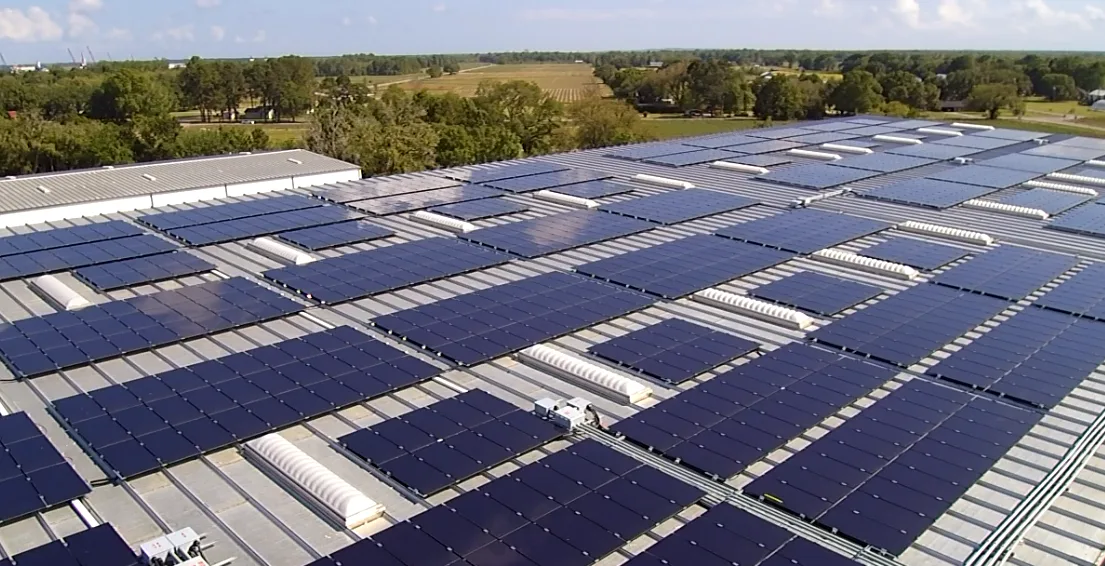
The global energy sector is undergoing a transformation unlike anything seen before. For decades, power systems around the world relied heavily on centralized generation, fossil fuels, and traditional grid infrastructure. Today, however, rising electricity demand, climate commitments, technological advancements, and the pursuit of energy security are driving a fundamental shift toward new energy solutions.
This transition is not simply about replacing one source of power with another. It is about reimagining how energy is generated, stored, transmitted, and consumed. Governments, industries, utilities, and investors are increasingly recognizing that future energy systems must be cleaner, smarter, more resilient, and more flexible than those of the past.
From solar and wind power to energy storage, smart grids, and hybrid renewable energy systems, new energy solutions are reshaping the global power landscape and creating opportunities that were unimaginable just a decade ago.
The Energy Industry Is Entering a New Era
The traditional energy model was built around large power plants supplying electricity through centralized transmission and distribution networks. While this model fueled industrial growth for decades, it faces growing challenges in today's rapidly changing world.
Several factors are accelerating the shift:
- Rising global energy demand
- Climate change and decarbonization goals
- Increasing adoption of electric vehicles
- Expansion of digital infrastructure and data centers
- Growing demand for energy security
- Falling costs of renewable technologies
As a result, countries are moving beyond conventional energy systems and embracing new energy solutions that offer greater sustainability and reliability.
The conversation is no longer about whether the transition will happen. The focus has shifted toward how quickly energy systems can adapt to meet future needs.
Why New Energy Solutions Matter More Than Ever
The world is becoming increasingly electrified.
Industries are digitizing operations. Transportation is moving toward electric mobility. Buildings are becoming smarter. Emerging sectors such as green hydrogen are creating entirely new electricity demand centers.
Meeting these needs requires more than simply adding generation capacity.
Future energy systems must be capable of:
- Managing variable renewable generation
- Supporting decentralized energy resources
- Reducing transmission losses
- Enhancing grid resilience
- Maintaining energy affordability
- Delivering uninterrupted power
This is where new energy solutions become essential.
Rather than relying on a single technology, they combine multiple innovations to create an integrated and future-ready energy ecosystem.
The Rise of Hybrid Renewable Energy Systems
One of the most significant developments shaping the energy sector today is the emergence of hybrid renewable energy systems.
Traditionally, renewable projects operated independently. Solar plants generated electricity during daylight hours, while wind farms produced power when wind conditions were favorable.
However, relying on a single renewable source can create variability challenges.
Hybrid renewable energy systems address this issue by combining multiple technologies such as:
- Solar energy
- Wind energy
- Battery Energy Storage Systems (BESS)
- Smart control systems
- Advanced forecasting tools
These integrated systems improve reliability, optimize energy output, and maximize asset utilization.
As renewable penetration increases globally, hybrid systems are expected to become one of the most important components of future power networks.
The Growing Importance of Energy Storage
A major challenge facing renewable energy is intermittency.
Solar generation declines after sunset, and wind generation fluctuates based on weather conditions.
Energy storage is changing that equation.
Modern battery technologies enable utilities and industries to:
- Store excess renewable energy
- Supply power during peak demand periods
- Improve grid stability
- Reduce renewable energy curtailment
- Enhance energy security
Battery Energy Storage Systems are increasingly becoming a core part of new energy solutions worldwide.
Many experts believe that the future of renewable energy will be defined not only by how much clean energy is generated but also by how effectively it is stored and managed.
Renewable Energy in India: A Global Success Story
Among emerging economies, renewable energy in India has become one of the most compelling examples of large-scale energy transformation.
India has set ambitious targets for expanding non-fossil fuel capacity while simultaneously supporting economic growth and industrial development.
Several factors are contributing to this momentum:
- Rapid solar power deployment
- Expansion of wind energy projects
- Government policy support
- Falling renewable energy costs
- Investments in transmission infrastructure
- Growing corporate sustainability commitments
The country's renewable energy journey demonstrates how developing economies can balance economic growth with environmental responsibility.
As renewable energy in India continues to expand, it is also creating opportunities for innovation in grid modernization, storage integration, and smart energy management.

Digitalization Is Revolutionizing Power Systems
Technology is playing a critical role in reshaping modern energy networks.
Artificial Intelligence (AI), the Internet of Things (IoT), and advanced analytics are transforming how utilities operate.
Smart energy systems can now:
- Monitor equipment performance in real time
- Predict maintenance requirements
- Detect faults before failures occur
- Optimize energy consumption patterns
- Improve renewable integration
Digitalization is making energy infrastructure more intelligent and responsive.
This capability is becoming increasingly important as grids accommodate higher levels of renewable generation and decentralized energy resources.
The Evolving Role of EPC Solar Companies
As energy projects become more sophisticated, the role of epc solar companies is evolving rapidly.
Traditionally focused on engineering, procurement, and construction, today's EPC providers are becoming strategic partners in the energy transition.
Modern EPC companies contribute through:
- Renewable project design
- Grid integration solutions
- Energy storage deployment
- Smart infrastructure implementation
- Performance optimization
- Long-term operations and maintenance
The most successful epc solar companies are those capable of delivering end-to-end solutions that combine generation, storage, and grid connectivity.
Their expertise is helping accelerate renewable adoption across both developed and emerging markets.
Why Grid Modernization Is the Missing Piece
Renewable energy growth often attracts headlines, but grid infrastructure remains the foundation of a successful energy transition.
Without modern transmission and distribution networks:
- Renewable energy cannot be efficiently evacuated
- Grid congestion increases
- Reliability challenges emerge
- Power quality issues become more frequent
Grid modernization includes:
- Smart substations
- Digital protection systems
- Advanced transmission networks
- Real-time monitoring technologies
- Automated control systems
These investments ensure that new energy solutions can operate effectively within increasingly complex energy ecosystems.
The Economic Impact of New Energy Solutions
The benefits of energy transformation extend beyond environmental gains.
New energy solutions are generating substantial economic value through:
- Job creation
- Infrastructure investment
- Manufacturing growth
- Technological innovation
- Energy security improvements
Countries investing early in clean energy infrastructure are positioning themselves as leaders in future industries.
This economic dimension explains why governments worldwide are accelerating investments in renewable energy, transmission systems, and grid modernization.
The energy transition is no longer viewed solely as a sustainability initiative. It is increasingly recognized as an economic growth strategy.
Building the Energy Systems of Tomorrow
The future energy landscape will not be dominated by a single technology.
Instead, it will be built on interconnected systems that combine renewable generation, energy storage, intelligent grids, and advanced digital technologies.
The most successful energy markets will be those that embrace flexibility, resilience, and innovation.
As countries continue investing in new energy solutions, the focus will increasingly shift toward creating integrated ecosystems capable of delivering reliable, affordable, and sustainable power.
Organizations that understand this transformation today will be best positioned to lead tomorrow.
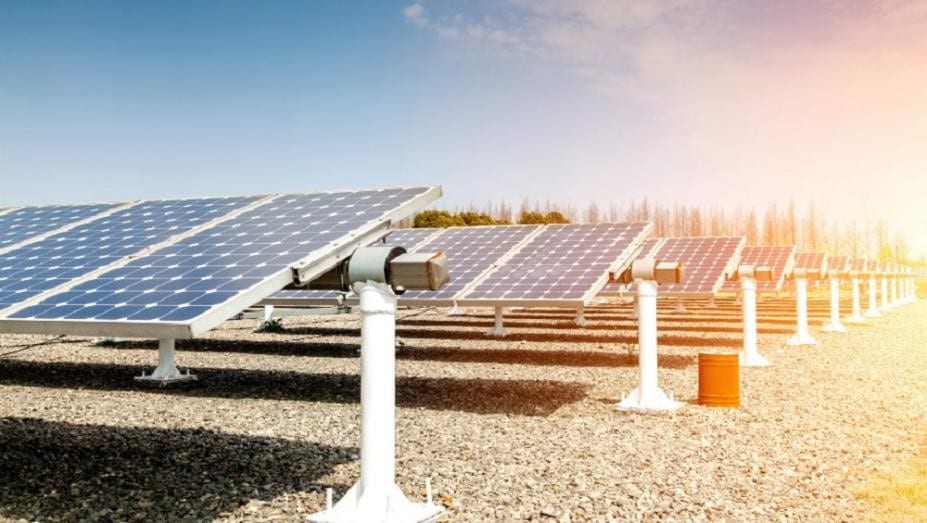
Powering the Future with Hartek Group
As the global energy sector evolves, the need for strong infrastructure, renewable integration, and grid modernization becomes increasingly important.
Hartek Group continues to contribute to this transformation through its expertise in power systems, renewable energy integration, substations, transmission infrastructure, and EPC solutions. By delivering innovative and reliable energy infrastructure, Hartek is helping build the resilient power networks required for a sustainable future.
To learn more about Hartek Group's energy solutions and infrastructure capabilities, visit www.hartek.com.
Frequently Asked Questions (FAQs)
1. What are new energy solutions?
New energy solutions refer to advanced technologies and systems that improve how energy is generated, stored, transmitted, and consumed. These include renewable energy, battery storage, smart grids, and digital energy management platforms.
2. What are hybrid renewable energy systems?
Hybrid renewable energy systems combine multiple energy sources such as solar, wind, and battery storage to improve reliability, efficiency, and overall energy performance.
3. Why is renewable energy in India growing rapidly?
Renewable energy in India is expanding due to strong government support, falling technology costs, increasing energy demand, and ambitious clean energy targets.
4. What role do EPC solar companies play in the energy transition?
EPC solar companies design, build, and integrate renewable energy projects while supporting grid connectivity, energy storage deployment, and long-term project performance.
5. Why is grid modernization important for renewable energy?
Modernized grids help manage renewable energy efficiently, improve reliability, reduce transmission losses, and support the integration of distributed energy resources.