In Hindu tradition, honoring one's ancestors is considered one of the highest forms of dharma. Among the many sacred rituals performed for departed souls, Pind Daan in Gaya holds unparalleled spiritual importance. It is believed that performing Pind Daan at the holy city of Gaya helps departed ancestors attain peace, liberation (moksha), and freedom from the cycle of birth and death.
Every year, thousands of devotees from India and across the world visit Gaya to perform this sacred ritual under the guidance of experienced Vedic priests. According to ancient scriptures, offering Pind Daan in Gaya is not merely a religious custom but a divine duty that brings blessings to both the ancestors and their descendants.
What Is Pind Daan?
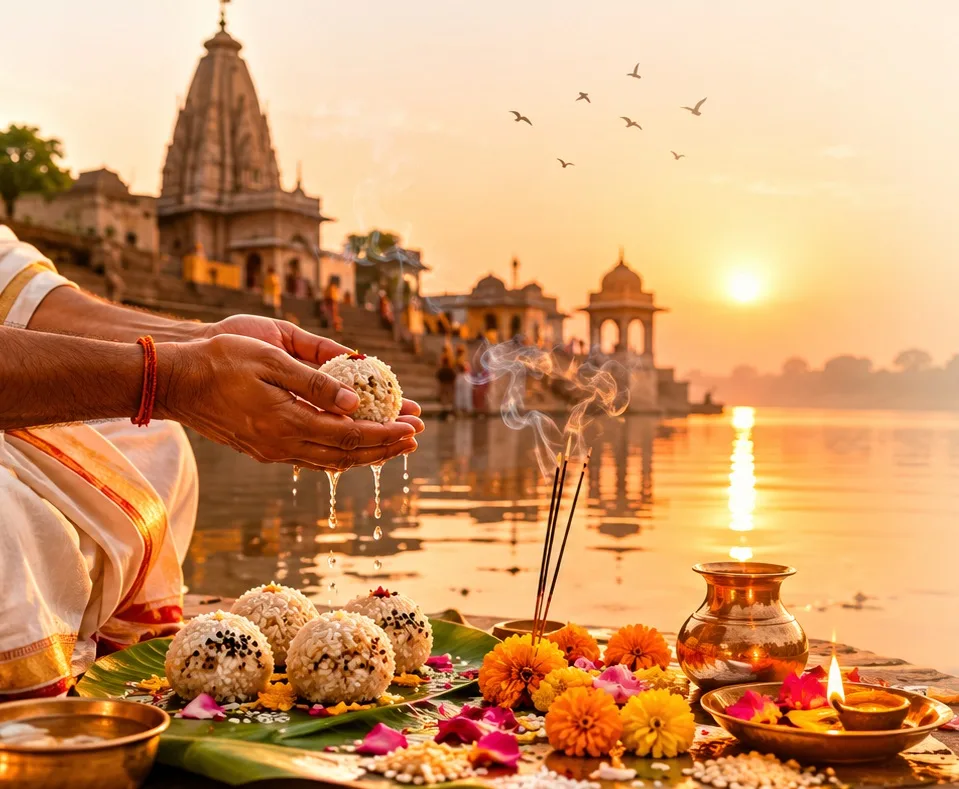
Pind Daan is a sacred Hindu ritual in which rice balls (called Pindas), sesame seeds, barley, and holy water are offered to departed souls. The ritual symbolizes nourishment and respect for ancestors while praying for their spiritual journey toward higher realms.
The ceremony is generally accompanied by:
Tarpan (offering water to ancestors)
Shraddha rituals
Vedic mantra chanting
Offerings to Brahmins
Charity and donations
The ritual expresses gratitude to previous generations and fulfills one's ancestral responsibilities according to Hindu traditions.
Why Is Gaya Considered the Most Sacred Place for Pind Daan?
Gaya, located in Bihar, is regarded as the holiest destination for ancestral rites. Its significance is described in the Garuda Purana, Vayu Purana, Agni Purana, and other sacred Hindu texts.
According to legend, the demon Gayasura performed severe penance and became so spiritually powerful that anyone who saw him attained salvation. To maintain cosmic balance, Lord Vishnu placed His divine footprint upon Gayasura, granting him a unique blessing that anyone performing Shraddha or Pind Daan at that sacred place would help their ancestors attain liberation.
Today, devotees perform rituals at Vishnupad Temple, Falgu River, Akshayavat, and other sacred sites in Gaya, making it one of the most revered pilgrimage destinations for Pitru Karma.
Spiritual Importance of Pind Daan in Gaya
1. Helps Ancestors Attain Moksha: The foremost purpose of Pind Daan is to assist departed souls in attaining liberation. Scriptures state that sincere offerings made in Gaya can free ancestors from lingering karmic bonds.
2. Removes Pitru Dosha: Many people believe that unresolved ancestral karma creates obstacles known as Pitru Dosha. Performing Pind Daan is believed to reduce these negative influences and restore harmony within the family.
3. Brings Peace and Prosperity: When ancestors are satisfied through Shraddha and Pind Daan, they are believed to bless their descendants with happiness, good health, prosperity, and success in life.
4. Fulfills Sacred Family Duty: Hindu scriptures emphasize that every individual has three primary debts—towards the gods, sages, and ancestors. Performing Pind Daan fulfills one's responsibility toward the Pitrus (ancestors).
5. Promotes Spiritual Growth: The ritual encourages gratitude, humility, compassion, and remembrance of family lineage. It reminds devotees of life's impermanence and strengthens spiritual awareness.
Who Should Perform Pind Daan?
Pind Daan may be performed by:
Sons and daughters (where tradition permits)
Grandchildren
Close family members
Legal heirs
Individuals seeking relief from Pitru Dosha
Families observing annual Shraddha
Many devotees also perform Pind Daan for ancestors who passed away unexpectedly or without proper last rites.
Best Time to Perform Pind Daan
Although Pind Daan can be performed throughout the year, certain periods are considered especially auspicious:
Pitru Paksha (Mahalaya Shraddha)
Amavasya (New Moon)
Death Anniversary (Tithi Shraddha)
Solar and Lunar Eclipse days
Important family religious occasions
Pitru Paksha in Gaya attracts lakhs of devotees because scriptures describe it as the most powerful period for ancestral worship.
Ritual Procedure of Pind Daan
While traditions may vary slightly, the general process includes:
1. Sankalp (taking the sacred vow)
2. Holy bath in the Falgu River
3. Offering Pindas made of rice, barley, sesame seeds, and ghee
4. Tarpan with sacred water
5. Chanting Vedic mantras
6. Worship at Vishnupad Temple
7. Offerings to Brahmins
8. Charity and feeding the needy
Experienced priests guide devotees throughout the ceremony to ensure the rituals are performed according to Vedic traditions.
Benefits of Performing Pind Daan in Gaya
Performing Pind Daan at Gaya is believed to offer numerous spiritual benefits:
Peace and liberation for departed ancestors
Relief from ancestral karmic burdens
Reduction of Pitru Dosha
Family harmony and prosperity
Better health and emotional well-being
Removal of obstacles in marriage, career, and finances
Divine blessings from Lord Vishnu and the Pitrus
Greater spiritual satisfaction through fulfilling ancestral duties
Although these benefits are matters of religious belief, they continue to inspire millions of devotees to perform the sacred ritual with faith and devotion.
Vedaangam – Online Puja Booking Services
For devotees who are unable to travel to Gaya, Vedaangam offers a trusted platform for booking authentic online and offline puja services across India's sacred temples. With experienced Vedic priests, transparent booking procedures, and personalized guidance, Vedaangam helps devotees perform rituals such as Pind Daan, Shraddha, Tarpan, Rudrabhishek, Mahamrityunjaya Jaap, Satyanarayan Puja, and various temple sevas. Whether you wish to participate personally or arrange a ritual on behalf of your family, Vedaangam ensures that every ceremony is conducted according to traditional Vedic practices. Devotees also receive proper ritual guidance, live participation options (where available), and updates throughout the puja process, making it convenient for families in India and abroad to stay connected with their spiritual traditions.
Conclusion
Pind Daan in Gaya is regarded as one of Hinduism's most sacred ancestral rituals. Rooted in ancient scriptures and centuries of tradition, it symbolizes gratitude, remembrance, and the eternal bond between generations. By performing this sacred ceremony with faith and sincerity, devotees seek peace and liberation for their ancestors while inviting blessings of harmony, prosperity, and spiritual well-being into their own lives. Whether performed during Pitru Paksha or on an auspicious family occasion, Pind Daan in Gaya remains a timeless expression of devotion, duty, and reverence toward one's ancestors.
Source: https://sites.google.com/view/bookpanditonline/blogs/why-pind-daan-in-gaya-is-essential