
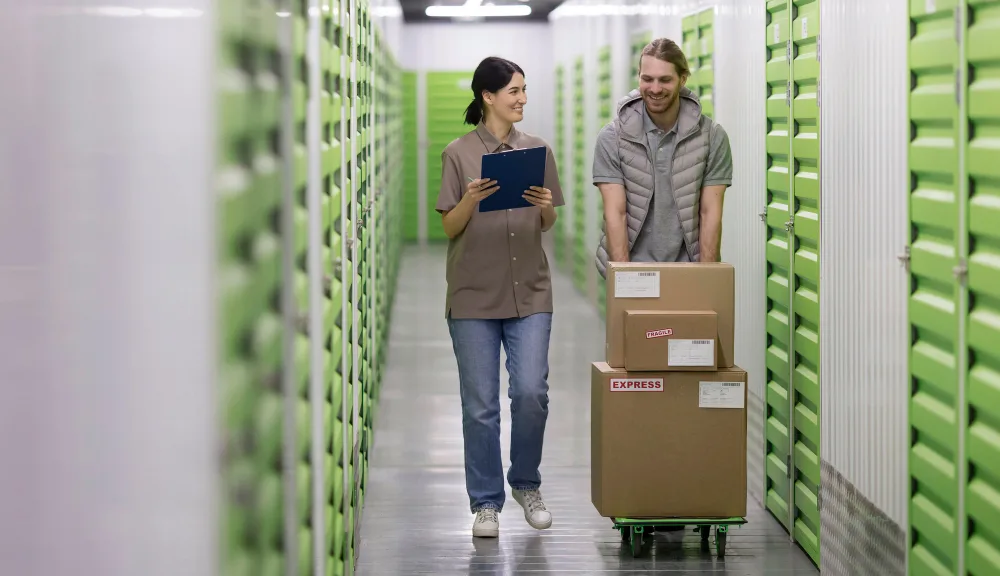
The commercial property sector has experienced significant transformation over the past decade. While traditional asset classes such as office buildings and retail centers continue to evolve, alternative real estate sectors are attracting increased attention from investors and developers. Among these, self-storage has emerged as one of the most resilient and adaptable property segments, benefiting from long-term demographic, economic, and lifestyle trends.
Across Australia, demand for storage space has grown steadily as consumers and businesses seek flexible solutions for managing belongings, inventory, and equipment. Urban population growth, smaller living spaces, remote work arrangements, and expanding e-commerce operations have all contributed to the sector's ongoing development. As a result, self-storage is increasingly being viewed as a strategic component of modern real estate portfolios.
One of the key drivers behind this trend is urbanization. As cities continue to grow, residential properties are becoming more compact. Apartments, townhouses, and smaller homes often provide limited storage capacity, creating a need for external storage solutions. Consumers use self-storage units for a variety of purposes, including household items, seasonal equipment, furniture, and personal collections.
At the same time, businesses are becoming important users of storage facilities. Small enterprises, online retailers, contractors, and service providers frequently require additional space without committing to large commercial premises. Self-storage offers flexibility, allowing businesses to scale their storage needs according to demand while maintaining operational efficiency.
These changing market dynamics have increased interest among investors seeking opportunities to sell self storage facility assets or acquire properties within the sector. Market participants are paying closer attention to occupancy rates, local demand patterns, operational efficiency, and long-term growth potential when evaluating storage-related investments.
The rise of e-commerce has further accelerated demand for storage infrastructure. Many online businesses operate without traditional retail storefronts and rely on storage facilities to manage inventory and fulfilment activities. This shift has expanded the role of self-storage beyond personal use and transformed it into an important component of modern supply chains.
Technology is also influencing the industry's growth. Digital access systems, online booking platforms, automated payment solutions, and advanced security features have improved customer convenience and operational management. Modern facilities increasingly incorporate technology-driven systems that enhance both user experience and operational efficiency.
Another factor contributing to the sector's resilience is its relatively broad customer base. Unlike some commercial property categories that depend heavily on specific industries, self-storage serves a diverse range of customers. Residential users, students, businesses, retirees, and people undergoing life transitions all contribute to demand. This diversity helps create stability even during periods of economic uncertainty.
The growing maturity of the industry has led to increased activity surrounding self storage facility sales Australia. Investors evaluating storage assets often focus on factors such as population growth, accessibility, local competition, occupancy performance, and future expansion potential. Understanding these variables is essential when assessing the long-term viability of a storage property investment.
Demographic changes are also shaping demand patterns. Australia’s population continues to experience mobility driven by employment opportunities, education, migration, and lifestyle preferences. Relocation, downsizing, and transitional housing situations often create temporary storage requirements. These trends contribute to consistent demand across many metropolitan and regional locations.
In addition to consumer-driven demand, infrastructure development is supporting sector growth. Improvements in transport networks, industrial precincts, and suburban expansion create opportunities for new storage facilities to serve emerging residential and commercial communities. Strategic site selection has become increasingly important as developers seek locations capable of supporting long-term occupancy growth.
As a result, self storage development Australia has become a topic of growing interest among real estate professionals. Developers are carefully analyzing demographic data, traffic patterns, land availability, and local economic conditions when identifying suitable locations for future projects. Successful developments typically align closely with population growth corridors and areas experiencing increasing residential density.
Sustainability is another consideration influencing modern storage facilities. Environmental performance is becoming more important across all sectors of commercial real estate. Newer storage developments often incorporate energy-efficient lighting, solar systems, water conservation measures, and environmentally responsible construction practices. These initiatives can improve operational efficiency while supporting broader sustainability objectives.
Risk management also plays a significant role in investment decision-making. Investors and operators must evaluate factors such as local market saturation, regulatory requirements, economic conditions, and changing customer preferences. Comprehensive market analysis is essential for identifying opportunities while mitigating potential challenges.
To navigate these complexities, many investors seek self storage advisory Australia to better understand market conditions, asset performance metrics, development feasibility, and investment strategies. Access to reliable market insights can help stakeholders make informed decisions in a rapidly evolving property environment.
Looking ahead, several long-term trends are expected to support continued growth within the self-storage sector. Population expansion, urban densification, digital commerce, flexible business models, and changing lifestyle patterns are likely to sustain demand for storage solutions across Australia. While economic cycles may influence short-term market conditions, the underlying drivers of storage demand remain firmly established.
Importantly, self-storage continues to demonstrate characteristics that many investors value, including operational flexibility, diversified customer demand, and adaptability to changing economic environments. These attributes have helped position the sector as an increasingly attractive component of broader commercial property strategies.
As Australia's property landscape continues to evolve, self-storage is expected to remain an important asset class. Whether viewed through the lens of investment, development, or operational management, the sector reflects broader societal changes that are reshaping how individuals and businesses utilize space. Understanding these trends can help stakeholders make informed decisions while positioning themselves for future opportunities in a growing market.
Author Bio
The author Rob writes about commercial property trends, alternative real estate investments, and market developments. His research frequently covers self storage advisory and emerging opportunities within self storage development in Australia.