
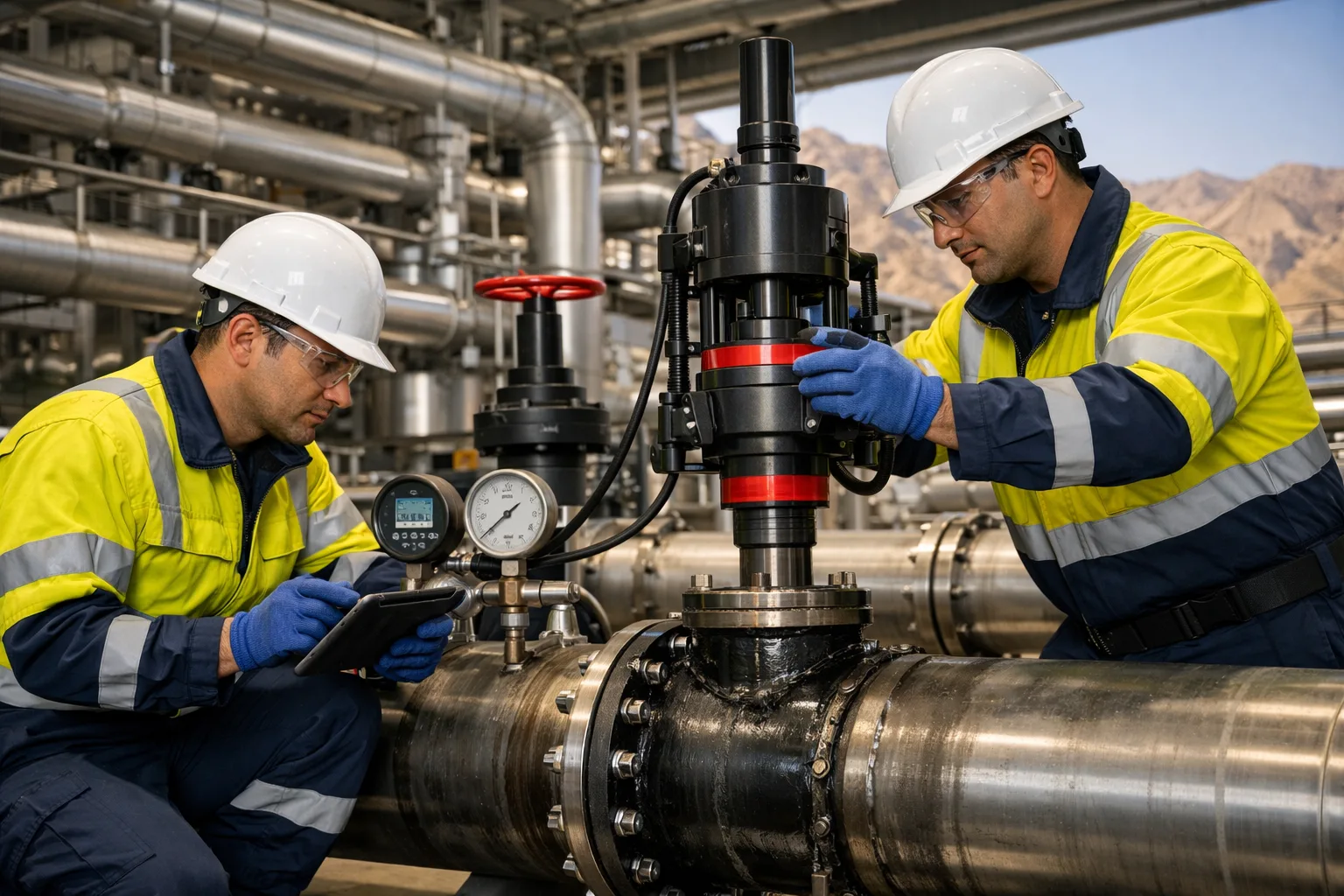
Pipeline maintenance is important for keeping industrial systems working properly. Hot tapping services in Rak allow new pipe connections, valve installation, or system changes without stopping the flow inside the pipeline. This method helps many industries continue normal operations while planned maintenance work is carried out safely. It is widely used because it reduces downtime and helps protect production schedules.
What Are Hot Tapping Services?
Hot tapping is a process that creates a new branch connection on a pipeline while the pipe remains in service. A special machine cuts through the pipe wall without interrupting the flow of liquid or gas inside the system.
The process is carefully planned and completed by trained professionals using suitable equipment. Every step is checked before work begins to reduce risks and maintain safe working conditions. This makes hot tapping a practical option for industries that cannot stop their operations for maintenance work.
How Does the Hot Tapping Process Work?
The process starts with a detailed inspection of the pipeline. Engineers check the pipe material, pressure, temperature, and the type of product flowing inside the pipe.
After the inspection, a fitting is welded or attached to the pipeline. A valve is then installed on the fitting. A hot tapping machine is connected to the valve, allowing a cutting tool to create the opening while the pipeline stays in operation.
Once the cut is completed, the cutter is safely removed, the valve is closed, and the new connection is ready for use. Every stage follows proper safety procedures to maintain reliable results.
Why Is Hot Tapping Useful for Pipelines?
Many industrial facilities operate around the clock. Shutting down a pipeline can affect production, maintenance schedules, and other connected systems.
Hot tapping helps avoid these interruptions by allowing maintenance or expansion work without stopping the pipeline. Industries can add new equipment, install monitoring devices, or create additional branch connections while normal operations continue.
This approach also helps reduce the time needed for maintenance projects compared to methods that require a complete shutdown.
Industries That Commonly Use Hot Tapping
Hot tapping is suitable for many industries that depend on continuous pipeline operation.
Some common industries include:
- Oil and gas facilities
- Water distribution systems
- Chemical processing plants
- Manufacturing factories
- District cooling systems
- Power generation plants
- Fire protection networks
Each industry has different pipeline requirements, so the process is planned according to the operating conditions and safety standards.
Important Safety Steps During Hot Tapping
Safety is one of the most important parts of every hot tapping project. Before any work starts, engineers inspect the pipeline and review the operating conditions.
The equipment is tested before use, and experienced technicians monitor the entire operation. Protective clothing, safety procedures, and regular communication help reduce potential risks during the work.
Pressure levels, pipe condition, and environmental factors are also checked throughout the process. Careful planning helps ensure that each stage is completed safely.
Benefits of Hot Tapping for Maintenance Work
Hot tapping offers several practical benefits for pipeline maintenance.
One major advantage is that the pipeline can continue operating during the work. This helps avoid unnecessary service interruptions.
Another benefit is improved maintenance planning. Since shutdowns are not required in many cases, maintenance teams can schedule work more efficiently.
The process also supports system modifications, equipment upgrades, and pipeline extensions without affecting normal production. This flexibility makes it useful for facilities that operate continuously.
When Is Hot Tapping the Right Choice?
Hot tapping is often selected when a pipeline needs a new connection without stopping the system. It is also useful when installing pressure gauges, valves, monitoring equipment, or additional pipe branches.
Before choosing this method, engineers evaluate several factors such as pipeline pressure, temperature, pipe material, and the condition of the system. These checks help determine whether hot tapping is suitable for the specific application.
Not every pipeline is the same, so proper planning is always necessary before work begins.
Why Proper Planning Matters
Every hot tapping project starts with careful preparation. Engineers collect technical information about the pipeline and review the work area before selecting the equipment.
The correct tools, trained technicians, and approved procedures help improve safety and work quality. Planning also helps identify possible challenges before the operation begins.
Good preparation allows the maintenance work to be completed in an organized and controlled manner while reducing unnecessary delays.
Understanding the Value of Hot Tapping Services in Rak
Industrial pipelines require regular maintenance to remain reliable and efficient. Hot tapping services in Rak provide a practical method for adding new connections and carrying out pipeline modifications without interrupting normal operations. With proper planning, qualified technicians, and suitable equipment, this process supports safe pipeline maintenance across many industries while helping systems continue operating during essential maintenance work.