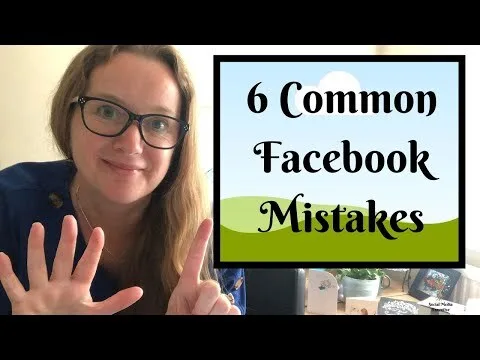
Facebook Live can be a great tool for a range of people, for example entrepreneurs, marketers and content producers to communicate with individuals in real-time. It enables individuals to bond with and gain the trust of people and furthermore can be used to both boost engagement and to promote one’s products or services. But even though someone is broadcasting on Facebook Live, there are no guarantees that they will receive a high level of engagement with their content. There are actions that should be avoided to prevent this from occurring and to maintain both the number of and appeal to those viewing your stream.
Understanding the common errors made whilst using Facebook Live can further develop an individual’s broadcasting skills and will also help to boost your engagement figures.
1. Lack of preparation for the Live stream:
Not preparing for your stream is one of the most detrimental errors. Typically, there will be no set content, knowledge of who your audience is and no stream topic.
Prior to a stream, develop a basic plan for how you will open your session, what content you will provide, what questions you will ask and how you will close it.
2. Poor video and sound production:
The production value of your stream can influence how much people engage with you. Issues that can cause people to disengage include unsuitable lighting, excessive background noise, low-quality video and/or a weak internet link.
Employ a suitable camera (or smart phone) along with an external microphone. Good lighting is also important. Ensure that you have a strong internet link. Although people may not be viewing your stream, good sound is still extremely important.
3. Broadcasting at inappropriate times:
An individual’s ability to broadcast and the extent to which they can engage with people is influenced by when they are broadcasting. For example, if you are streaming at a time when your target market is not engaging with Facebook then your effectiveness will be limited.
Analyse your Facebook Insights to ascertain when your audience is most engaged. Experiment with various times to broadcast and analyse levels of engagement. Develop a set timescale for your streams in line with when your audience is most engaged.
4. Inadequate pre-stream promotion:
Poor promotion of an individual’s upcoming stream. Often it is thought that people will automatically become aware of streams however this is rarely the case.
Post announcements, teasers, and countdown posts ahead of your planned broadcast. Market your upcoming broadcast via Facebook groups, Instagram, email marketing, and other platforms.
Giving the topic, date, and time provides a good reason for your potential viewers to watch your broadcast.
5. Not Interacting with Your Viewers:
Facebook Live is all about interacting, but some users use it just like any other pre-recorded video. Failing to interact with comments, questions, and likes may make your viewers feel alienated.
Say hi to people who join your broadcast, answer their questions, and ask them to voice their opinions. Even asking simple questions and conducting live polls can boost your viewer’s involvement.
Interaction creates a friendly atmosphere and helps you retain your viewers for future broadcasts.
6. Making Your Broadcast Too Long or Too Short:
The length of your broadcast matters and can affect your viewers. If your broadcast is too long and lacks any interesting content, people might get bored. If it is too short, there will be no time to discuss the issue and interact with your viewers.
Determine the Duration for your Live Broadcast according to the Content and allow a feasible amount of time related to the content and viewer. It's better for you to focus on making sure your streaming will be educational and not necessarily long.
7. Uninteresting Titles & Descriptions for the Live Stream:
The title and descriptions of your live stream are what tells people what they should be expecting from your live stream. Having an uninformative title like "Going live" is something people may just pass up due to its blandness.
Try and come up with an intriguing, relevant title that tells about the items discussed or benefit of watching. Make sure to use keyword phrases in titles and descriptions along with using a captivating thumbnail image that persuades people to click.
Example: Rather than using "Business Discussion," it's better to use "5 Effective Facebook Marketing Strategies for Small Businesses."
8. Forgetting Audience Retention:
If you want your Facebook Live marketing to be effective, the first thing you must do is find people to watch your live broadcasts. The second and perhaps the most crucial step is ensuring your audience remains engaged for the entirety of the broadcast.
Avoid lengthy openings, refrain from reiterating information and minimise pauses within your stream. Open with an engaging question and provide valuable information from the commencement of your stream. Throughout your stream continue to present novel information for discussion.
Refer back to previous data analysis so that you can analyse where people tend to disengage from your stream and so identify areas for improvement in future.
9. Irregular broadcast times:
If an individual does not broadcast at consistent times, then this can prevent them from developing a committed following. As people will not be aware of when you are going to stream, they will not be able to engage with you at these times.
Formulate a suitable timetable for your streams (either weekly or monthly). Advise your audience of when you will be streaming and ensure that both the timing and subject matter of your streams remain constant.
In addition, analyse your engagement, reach and Facebook Live viewership figures on a monthly basis so that you can assess your development.
10. Failure to analyse Facebook Live data:
Many people do not analyse their stream data after they have concluded a stream. This prevents them from assessing effectively what is and is not successful about their Facebook Live streams.
Utilise Facebook’s professional dashboard and insight tools to analyse key data relating to:
- Reach: Learn about the number of people reached by your content.
- Peak live viewers: Know about the highest number of simultaneous viewers.
- Engagement: Look at the comments, reactions, and shares.
- Video retention: Learn how long viewers watched your video.
- Audience response: Find out what topics were of interest to your audience.
Utilizing Facebook’s professional dashboard and insights will provide you with worthwhile information on how your live broadcast performed.
Best Practices to Avoid Facebook Live Mistakes
- Test your streaming equipment prior to each broadcast.
- Pick interesting topics based on the interests of your audience.
- Promote your upcoming live session on other social networks.
- Answer the comments and engage in meaningful discussion.
- Make sure you use descriptive titles, descriptions and attractive thumbnails.
- Have a regular broadcasting schedule.
- Analyse performance metrics and improve next time.
Once you avoid these mistakes and concentrate on quality content, you will surely improve your performance on Facebook Live.