When people think of harvest bins, they usually picture an orchard in early autumn. But durable, food-safe bulk containers do far more than carry apples. Anywhere product is picked, moved, stored and moved again, a good bin saves money. It cuts damage, speeds up handling and lasts for many seasons.
Here are five industries where plastic harvest bins make the biggest difference, plus a bonus use you might not have considered.
1. Fruit Orchards
Apples, cherries, peaches and pears bruise easily, and they are often handled several times between the tree and the packhouse. Each rough contact can lower the grade, and a lower grade means a lower price. Fruit harvest bins with smooth walls, rounded corners and good airflow protect the value of the crop at every step.
Airflow matters just as much as smoothness. Vented harvest bins let field heat escape and allow cold air to move through the load once the fruit reaches the cooler. Faster cooling means better shelf life and fewer losses. Michigan growers can browse plastic harvest bins Michigan options built for local conditions and learn practical handling tips in our guide to bruise prevention in Michigan orchards.
2. Vegetable and Root Crop Farms
Potatoes, squash, onions, carrots and beets are heavy, dense and tough on containers. A weak bin cracks, sags or collapses when stacked. Strong vegetable harvest bins and heavy duty produce bins are made to carry weight, hold up in stacks and survive rough handling.
These crops also arrive covered in soil. Plastic's smooth, non-porous surface can be washed down quickly between loads, and it doesn't soak up moisture the way wood does. That saves labor during the busiest weeks of the year and makes it easier to keep sanitation records.
3. Vineyards and Wineries
Grapes burst easily, and any juice lost in the bin is money lost. Fruit that sits in crushed, warm juice can also begin to spoil or ferment before it reaches the crush pad. Grape harvest bins with solid walls or carefully controlled venting keep fruit intact on the way from the vineyard to the winery.
Cleaning is just as important here. Sugar residue left in a bin attracts pests and encourages unwanted microbes. Smooth plastic can be rinsed and sanitized fast, so each load starts clean. Stackable designs also make the best use of limited space in trucks, trailers and cellars.
4. Packhouses, Processors and Food Manufacturers
Facilities that wash, sort, cut, pack or freeze produce have strict hygiene standards, and their containers need to meet them. They also need bins that stack neatly, fit their conveyors and dumpers, and move cleanly through a busy day.
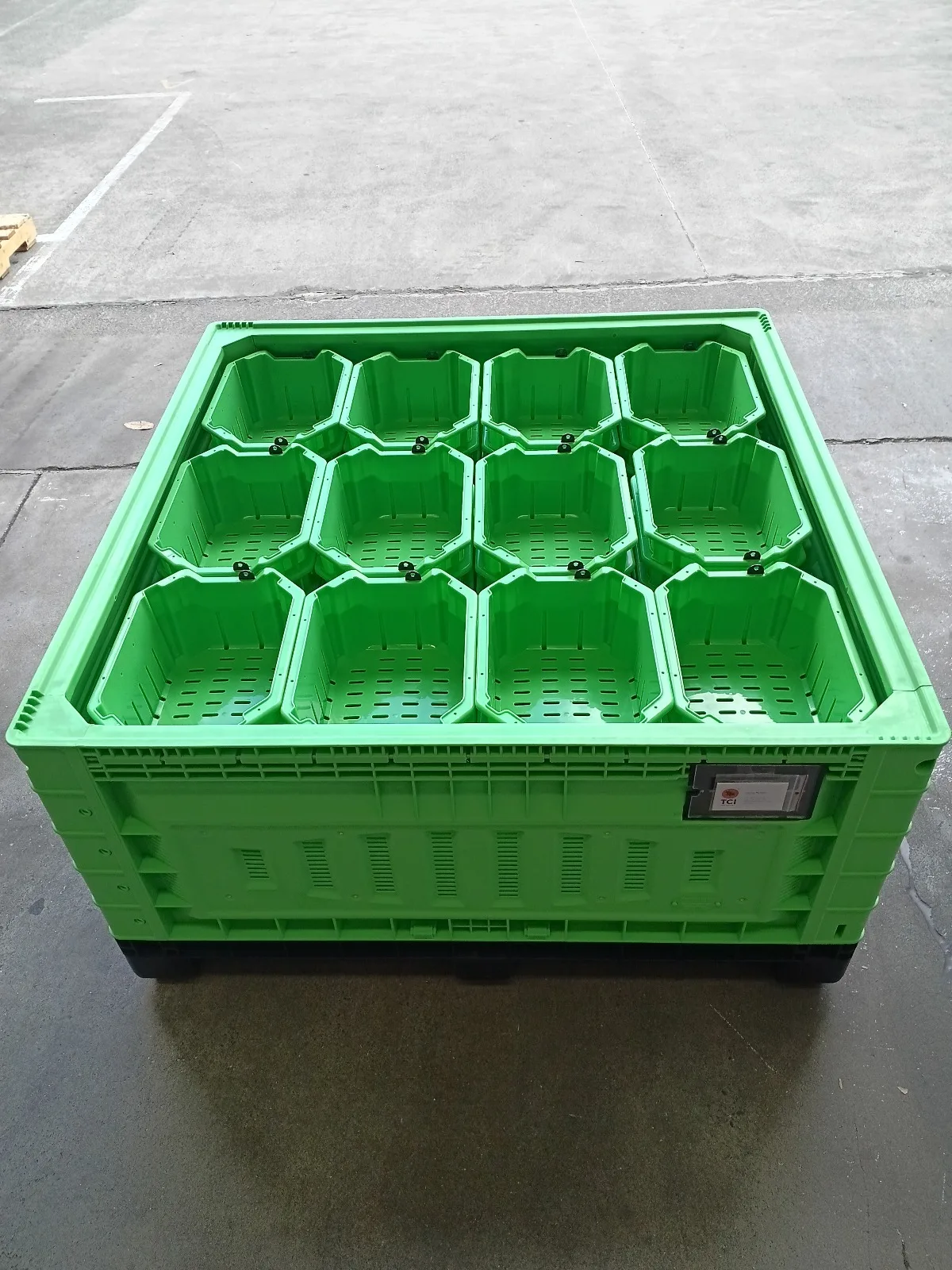
Food safe bulk containers and produce bulk containers are made for this kind of workflow. Their uniform size and weight make loading predictable, and the one-piece plastic construction has no nails, splinters or loose boards that could end up in the product. For operations that face regular audits, using plastic produce containers also makes it easier to show consistent, clean handling.
5. Cold Storage, Warehousing and Distribution
Cold rooms are hard on containers. Moisture, condensation and low temperatures weaken and warp wood, while good plastic handles the conditions season after season. Bins that stack on racks, hold their shape under load and nest or collapse when empty make storage far more efficient.
Plastic storage bins, farm storage bins and plastic shipping containers support a steady flow from storage to shipment. Nestable and knock-down designs also cut the space that empties take up on the return trip. Our explainer on knock-down freight shows how that can lower shipping costs.
Bonus: Feed, Livestock and General Agriculture
Plenty of farms use bins well beyond the harvest. Agricultural feed bins and plastic agricultural bins hold feed, grain, seed and supplies. Easy-clean plastic resists moisture and pests better than wood, and it won't rot in damp barns or sheds. That keeps feed fresh and cuts waste.
What These Industries Share
Although their products differ, these industries have the same four needs:
- Reuse: bins make many trips, so durability pays off.
- Hygiene: surfaces must be easy to clean and sanitize.
- Product value: damage, spoilage and contamination cost money.
- Handling: forklifts, stacking and conveyors are part of daily routine.
Plastic bins meet all four. To see how the cost side adds up over time, read our guide to the total cost of ownership for harvest bins.
Why Plastic Beats Wood in These Settings
Wooden bins are cheap to buy, but they absorb water, split, shed splinters and hold residues. They need frequent repair and replacement, and they are harder to clean thoroughly. Plastic avoids most of these problems. We explain the full comparison in why plastic beats timber harvest bins.
Matching the Bin to the Job
The best bin depends on your crop, volume and workflow. Options include:
- Mega plastic bins and large agricultural bins for bulk field harvest.
- Small plastic bins and plastic picking bins for hand-picked or sorted crops.
- Custom plastic bins when standard sizes don't fit your line.
- Plastic pallet crates when you want a bin and pallet in one.
When comparing suppliers, read SureStore Produce Bins vs. plastic agricultural bins and SureStore Produce Bins vs. OrderPallets to see how the options differ.
Bottom Line
Wherever product is moved, stored and reused, plastic bins reduce loss and labor. Orchards, vegetable farms, vineyards, packhouses and cold storage operations all gain from a container that is tough, clean and consistent. If you are ready to upgrade, request a quote for SureStore Produce Bins at michiganharvestbins.com.