
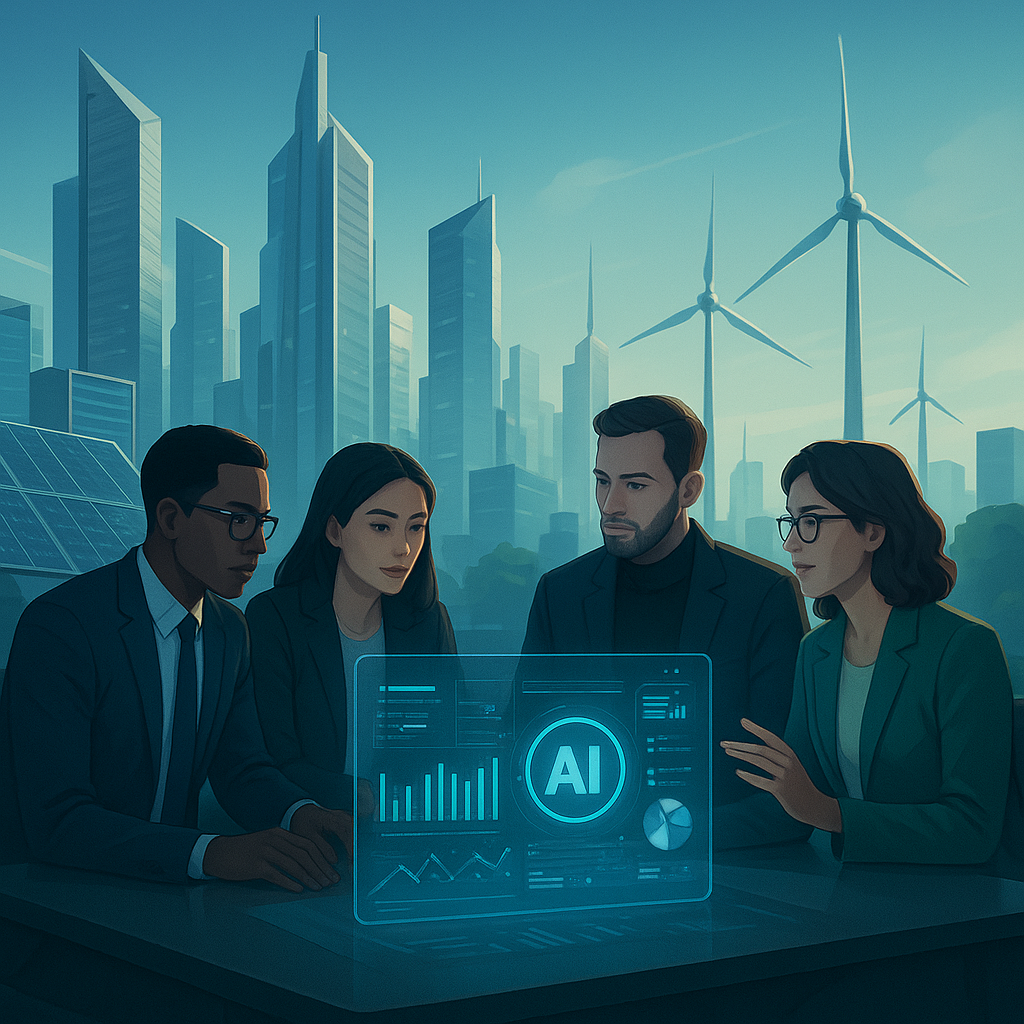
Introduction: A Workforce Transformed by Technology and Climate Imperatives
On a crisp spring morning in Silicon Valley, a software engineer programs an AI model that predicts climate risk for coastal cities, while a renewable energy analyst in Texas uses real-time data to optimize wind farm output. These scenes, common across the United States in 2026, illustrate how technology and environmental urgency have reshaped the job market. The best jobs in America today reflect a confluence of digital innovation, sustainability demands, and shifting socioeconomic patterns.
Employment trends in 2026, according to the U.S. Bureau of Labor Statistics (BLS), highlight explosive growth in sectors like artificial intelligence, renewable energy, healthcare technology, and remote collaboration services. These are not just high-paying roles but ones that offer resilience against economic fluctuations and automation pressures. The evolving job landscape demands new skills and adaptability, pushing many professionals to pivot or upskill.
This article explores the most coveted and promising careers in America in 2026, drawing from recent data, expert insights, and real-world examples. We examine the factors propelling these jobs to the forefront and what workers and employers can expect next.
From Tech Boom to Green Jobs: The Background of Today's Employment Landscape
The last decade saw a dramatic acceleration in automation and AI integration across industries, accompanied by increasing climate change awareness and policy action. The post-pandemic era accelerated remote work adoption, which shifted job distribution from traditional urban hubs to more diverse geographies.
Historically, tech jobs dominated the growth charts through the early 2020s. However, by 2026, sustainability-focused careers have surged, fueled by federal incentives and private investments in clean energy and infrastructure. The Inflation Reduction Act of 2022 and subsequent legislation have catalyzed billions in renewable energy projects, creating a fertile ground for green jobs.
The transition to sustainable energy and digital transformation has created a hybrid labor market. Roles that blend tech proficiency with environmental expertise are among the fastest-growing. This shift is also evident in education and training programs, which increasingly emphasize STEM curricula alongside climate science and ethics.
Remote work migration patterns have also played a critical role in shaping job opportunities. As detailed in TheOmniBuzz’s analysis of remote work migration, many workers have relocated to smaller cities or suburban areas, influencing regional labor markets and demand for certain professions.
Core Analysis: Top High-Growth Jobs and Their Drivers
The 2026 job market is characterized by roles that leverage AI, support sustainability, and cater to evolving consumer needs. According to BLS projections and industry reports, here are the top sectors and jobs leading the way:
- Artificial Intelligence Specialists: Machine learning engineers, AI ethicists, and data scientists are in high demand. With AI embedded in everything from healthcare diagnostics to autonomous vehicles, these roles command median salaries exceeding $140,000.
- Renewable Energy Technicians: Solar installers, wind turbine technicians, and energy storage engineers are rapidly expanding fields. The energy sector’s pivot to renewables has grown jobs in this category by over 30% since 2023.
- Healthcare Technology Professionals: Telehealth coordinators, bioinformatics specialists, and medical device programmers are bridging healthcare and tech, driven by aging populations and digital health innovations.
- Cybersecurity Experts: As digital threats escalate, cybersecurity analysts and penetration testers are critical for protecting infrastructure, earning salaries upwards of $120,000.
- Remote Work Facilitators: Roles in virtual collaboration management, digital workspace design, and remote employee experience have emerged, reflecting the ongoing normalization of hybrid work.
Salary growth and job availability reinforce these trends. For example, AI-related roles have seen a 25% salary increase over three years. The renewable energy sector’s wages have also risen steadily due to skill shortages and project expansions.
These roles often require interdisciplinary skills. Communication, problem-solving, and digital literacy are essential alongside technical expertise. According to a recent survey by the National Association of Colleges and Employers, employers prioritize candidates capable of adapting to rapid technological and regulatory changes.
“The future workforce must integrate sustainability principles with digital competencies to meet both environmental goals and technological advancement,” says Dr. Lisa Chen, a labor market analyst.
Recent Developments in 2026: Technology, Policy, and Remote Work
Several 2026 developments have further shaped the best jobs in America. First, AI regulation frameworks introduced this year have created new compliance and ethical oversight jobs. The AI Accountability Act, passed in early 2026, mandates companies to employ AI ethics officers to oversee algorithmic fairness and transparency.
Second, the continued rollout of advanced 5G and emerging 6G networks has enabled more sophisticated remote work environments, particularly in rural and underserved areas. This expansion has bolstered demand for network engineers and remote work technology specialists.
Third, climate resilience initiatives have accelerated government and private sector hiring. The Biden administration’s Climate Resilience Task Force allocated $50 billion for climate adaptation projects, directly impacting construction management, environmental engineering, and urban planning jobs.
Moreover, the real estate market has adapted to these workforce changes. As discussed in TheOmniBuzz’s article on remote work migration reshaping housing, new residential developments increasingly incorporate co-working spaces and green technology, reflecting the preferences of today’s workforce.
Finally, healthcare has seen a significant infusion of AI-powered diagnostics and robotics, creating jobs that blend clinical expertise with engineering skills. The FDA’s approval of AI-driven diagnostic devices in late 2025 accelerated hiring in this niche.
“The intersection of technology and sustainability isn’t just creating jobs; it’s redefining what it means to work in America,” notes Emily Rodriguez, CEO of GreenTech Careers.
Expert Perspectives: Industry Leaders Weigh In
Experts agree that adaptability and continuous learning define career success today. Human resources leaders emphasize the importance of reskilling and upskilling programs to prepare workers for these top jobs.
Michael Harper, Chief Talent Officer at a leading AI firm, explains, “We look for candidates who combine technical skills with a growth mindset and ethical awareness. AI’s impact is profound, but so is the responsibility that comes with it.”
In the renewable energy sector, Jennifer Kim, Director of Workforce Development at SolarFuture Inc., highlights how diversity and inclusion efforts have expanded the talent pool. “We’re seeing more women and underrepresented minorities entering green jobs, supported by targeted training initiatives.”
From a policy standpoint, labor economists note that federal incentives have been crucial in job creation but stress the need for equitable access to education. The challenge is ensuring that all communities benefit from new opportunities, not just metropolitan areas.
Employers are also innovating in workplace design and benefits to retain top talent. Flexible schedules, mental health support, and career development pathways are increasingly standard among companies competing for skilled workers.
Looking Ahead: What Job Seekers and Employers Should Watch
As we look beyond 2026, several trends will shape the trajectory of America’s best jobs. Foremost is the continued integration of AI and automation across more traditional roles, requiring hybrid skill sets. Workers will need to blend human creativity and emotional intelligence with technology proficiency.
Climate change mitigation and adaptation will remain a major job driver. Emerging fields like carbon capture engineering, climate data analytics, and sustainable supply chain management are expected to grow substantially. Job seekers should monitor certifications and education programs aligned with these areas.
The remote work paradigm will evolve with advances in virtual reality and the metaverse, potentially creating new career paths in digital environment design, virtual collaboration facilitation, and cyber-psychology.
Employers must also prepare for an increasingly global and diverse workforce. Cross-cultural communication and inclusivity will be critical for successful team dynamics and innovation.
- Invest in lifelong learning and digital skills development
- Focus on sustainability credentials and climate literacy
- Adapt to hybrid and remote work models
- Prioritize ethical considerations in AI and data use
- Engage with community-based training programs to broaden access
For deeper insights into how the job market is evolving, readers can explore TheOmniBuzz’s comprehensive report on America’s future jobs. Understanding these dynamics will empower workers and organizations to thrive amid ongoing change.
Case Studies: Real-World Success in 2026’s Best Jobs
Consider the example of Sarah Martinez, a former marketing professional who transitioned into AI ethics compliance. After completing a specialized certification, she was hired by a leading autonomous vehicle manufacturer to oversee ethical AI deployment. Her role involves balancing innovation with safety and fairness, a responsibility that reflects the complexity of modern jobs.
Another case is that of Jamal Thompson, a wind turbine technician in Iowa. Jamal’s job includes maintenance, data analysis, and community engagement to optimize renewable energy output. His salary has outpaced many traditional manufacturing roles, and his work contributes directly to climate goals.
Finally, Dr. Priya Shah, a bioinformatics specialist, combines genetics and AI to develop personalized medicine solutions. Her work at a biotech startup illustrates how healthcare and technology careers are converging to improve patient outcomes.
These stories showcase the diversity and impact of America’s top jobs in 2026. They underscore the importance of flexibility, lifelong learning, and alignment with broader societal goals.