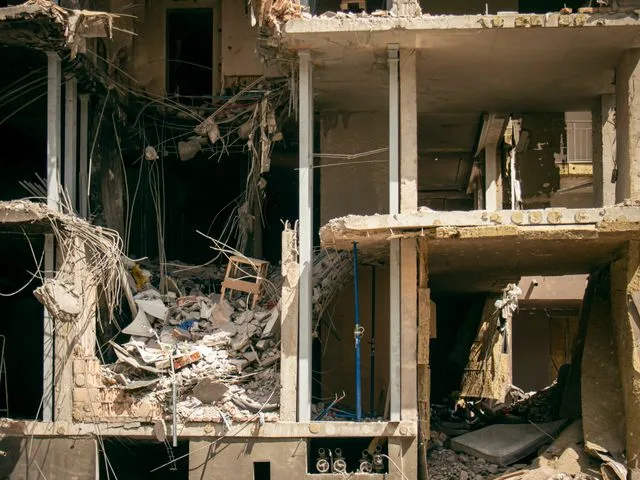
Few building-related hazards generate as much concern as asbestos. For decades, asbestos was widely used in residential, commercial, and industrial construction because of its durability, insulation properties, and resistance to heat. Although its use became heavily restricted after researchers identified serious health risks associated with asbestos exposure, many older buildings still contain asbestos-containing materials today.
The presence of asbestos does not automatically mean a building is unsafe. In many cases, asbestos-containing materials remain stable and do not pose an immediate threat when left undisturbed. Problems often arise when renovation projects, storm damage, deterioration, or demolition activities disturb these materials and release microscopic fibers into the air. Because these fibers are difficult to detect without specialized testing, property owners may not always recognize the risks they face.
While the dangers associated with asbestos can understandably cause anxiety, it is important to remember that trained professionals are equipped to assess, manage, and address asbestos-related concerns safely. Their expertise helps property owners navigate complex situations while reducing unnecessary exposure risks.
Understanding Why Asbestos Raises Health Concerns
Asbestos became a common building material throughout much of the twentieth century. It was incorporated into insulation, flooring, roofing materials, ceiling products, pipe coverings, and many other construction components. Unfortunately, researchers later discovered that inhaling airborne asbestos fibers could contribute to serious health conditions.
One of the primary concerns is that asbestos fibers are extremely small and can remain suspended in the air for extended periods. When inhaled, these fibers may become trapped within the lungs and remain there for many years. Long-term exposure has been associated with illnesses such as asbestosis, lung cancer, and mesothelioma.
It is important to note that risk levels depend on factors such as the condition of the material, the duration of exposure, and the concentration of airborne fibers. Not every instance of asbestos presence results in immediate danger. However, understanding where asbestos may exist and how it can become disturbed is essential for making informed decisions about property maintenance, renovations, and repairs.
Identifying Potential Asbestos in Older Buildings
One of the challenges property owners face is that asbestos-containing materials often look similar to other construction products. Visual inspection alone is rarely sufficient to determine whether asbestos is present. Materials that appear harmless may contain asbestos fibers, while materials that appear damaged may require professional evaluation before any work is performed.
Buildings constructed before modern asbestos regulations were implemented are more likely to contain asbestos in various forms. Common locations may include insulation around pipes, textured ceilings, older floor tiles, roofing materials, cement products, and wall systems. Because these materials can be hidden behind finished surfaces, identifying potential concerns often requires specialized knowledge.
Rather than relying on assumptions, many property owners choose to arrange a professional asbestos survey before beginning renovation or demolition projects. A thorough survey can help determine whether asbestos-containing materials are present, identify their condition, and provide guidance regarding appropriate next steps. This information allows construction and maintenance activities to proceed more safely and with a clearer understanding of potential risks.
The Role of Trained Asbestos Professionals
When asbestos is suspected or confirmed, qualified professionals play an important role in protecting occupants, workers, and surrounding environments. These specialists receive training in asbestos identification, handling procedures, containment methods, and regulatory requirements. Their expertise helps ensure that potential hazards are addressed through established safety practices.
Professionals can perform inspections, collect samples for laboratory analysis, evaluate material conditions, and develop appropriate management strategies. Depending on the situation, the recommended approach may involve ongoing monitoring, encapsulation, repair, or removal of asbestos-containing materials.
The value of professional assistance extends beyond technical expertise. Specialists understand how to conduct assessments without unnecessarily disturbing materials that may release fibers. They also follow established procedures designed to control exposure risks and maintain a safe work environment. By relying on trained personnel, property owners can avoid actions that might inadvertently worsen a potentially hazardous situation.
Safe Removal and Containment Require Specialized Procedures
Asbestos removal is not comparable to ordinary construction debris cleanup. Disturbing asbestos-containing materials without proper controls can release fibers into the surrounding environment, potentially increasing exposure risks for occupants and workers. For this reason, removal projects generally involve detailed planning and carefully controlled work practices.
Professional asbestos abatement teams use specialized containment systems, protective equipment, air filtration devices, and cleanup procedures designed to minimize fiber release. Work areas may be isolated to prevent contaminants from spreading to unaffected sections of a building. Air monitoring and verification processes may also be used to help confirm that conditions meet applicable standards following remediation activities.
In some cases, complete removal is not necessary. Depending on the material's condition and location, containment or encapsulation may be recommended as a practical alternative. Qualified professionals can evaluate these options and determine which approach is most appropriate for a specific situation. Their objective is to manage risk effectively while preserving safety for all parties involved.
Reducing Stress Through Expert Guidance
Discovering potential asbestos in a home or commercial property can be overwhelming. Property owners may worry about health implications, project delays, regulatory requirements, and cleanup costs. Uncertainty often contributes significantly to the stress associated with asbestos-related concerns.
Professional guidance helps replace uncertainty with reliable information. Experienced specialists can explain inspection findings, outline available options, answer questions regarding safety procedures, and assist with planning future actions. Having access to accurate information allows property owners to make decisions based on evidence rather than speculation.
In addition, professionals can coordinate with contractors, property managers, and other stakeholders when asbestos-related issues affect larger renovation or restoration projects. This collaborative approach helps keep projects organized while supporting compliance with applicable safety requirements. By providing clear recommendations and structured processes, asbestos professionals help individuals navigate complex situations with greater confidence and clarity.
Conclusion
Asbestos remains a serious concern because of the health risks associated with airborne fiber exposure, particularly when older building materials become disturbed. However, the presence of asbestos does not automatically mean that a property is unsafe or that a situation is beyond control. With proper assessment, careful planning, and expert oversight, asbestos-related challenges can be managed responsibly.
Trained professionals provide the knowledge, procedures, and safety measures needed to evaluate potential hazards and address them appropriately. For property owners facing uncertainty about asbestos, professional assistance offers a practical path toward informed decision-making and a safer environment.