Reimagining the Gaming Landscape: A Vivid Snapshot of 2026’s Indie Surge
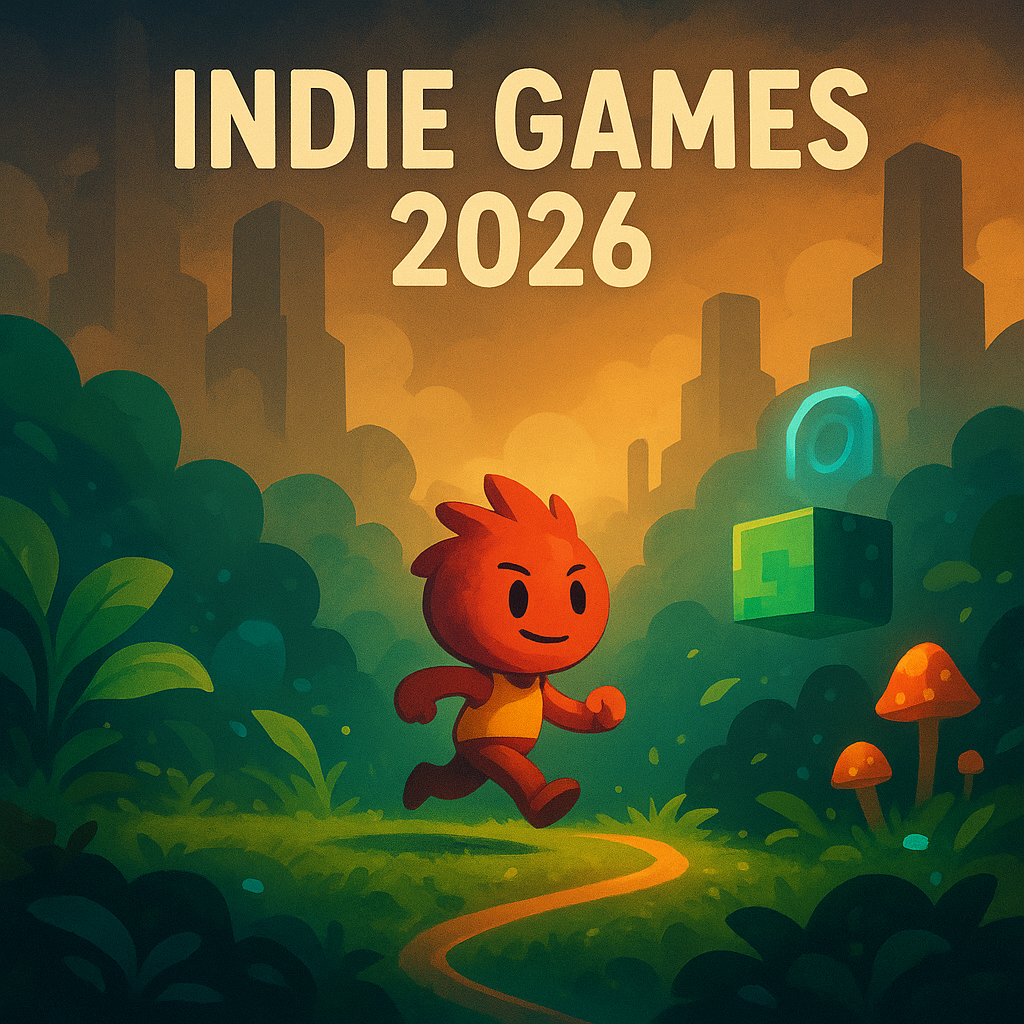
In a packed gaming convention hall in Tokyo this spring, a modest booth exhibiting a pixel-art puzzle game drew a crowd rivalling those around AAA blockbusters. This was not an isolated scene but emblematic of a larger trend: indie games in 2026 are not just surviving; they are thriving and reshaping the gaming ecosystem. According to industry analysts, indie game revenues have grown by over 35% in 2025 alone, outpacing traditional studio outputs in several key markets. This surge is fueled by a complex interplay of technological accessibility, shifting player preferences, and innovative distribution models.
The indie sector’s growth is particularly striking given the dominance of giant publishers like Sony, Microsoft, and Tencent, who collectively control a significant chunk of the market. Yet, indie titles such as Echoes of the Forgotten and Celestial Tides have garnered millions of players worldwide through creative storytelling and novel gameplay mechanics. Their success challenges the notion that big budgets and blockbuster marketing campaigns are mandatory for commercial and critical acclaim.
"2026 marks a pivotal year where indie developers are no longer niche creators but central architects of gaming culture," says Dr. Lena Marquez, a leading game industry analyst.
This article examines the forces behind this transformation, the current state of indie gaming, and what lies ahead in a landscape where creativity often trumps capital.
Historical Context: From Basement Projects to Industry Powerhouses
To understand the indie renaissance in 2026, it’s essential to trace the sector’s evolution. The early 2010s witnessed the rise of digital distribution platforms like Steam and itch.io, which dramatically lowered barriers to entry for independent developers. Games like Undertale and Celeste became cultural phenomena, proving that compelling narratives and innovative design could captivate audiences without blockbuster budgets.
Over the past decade, the democratization of development tools—Unity, Unreal Engine, and Godot being prominent examples—has empowered creators worldwide. This accessibility led to an explosion of diverse voices, including underrepresented groups, bringing fresh perspectives and gameplay styles. Moreover, crowdfunding platforms such as Kickstarter and Patreon provided financial lifelines, enabling projects to bypass traditional publisher gatekeeping.
By the early 2020s, indie games had carved out a respected niche, but they still faced challenges: discoverability in saturated marketplaces, limited marketing resources, and competition from mega-franchises. However, the persistent quality and innovation of indie projects gradually won over gamers and critics alike, culminating in a series of awards and high-profile collaborations with major studios.
These dynamics set the stage for the unprecedented breakthroughs witnessed this year.
Current Landscape: Data-Driven Insights into 2026’s Indie Boom
2026’s indie game market demonstrates remarkable vitality, supported by robust data and industry trends. According to the International Game Developers Association (IGDA) report released in Q1 2026, indie games now constitute approximately 28% of global game sales revenue, up from 18% in 2023. This growth is especially pronounced on emerging platforms such as handheld cloud gaming devices and next-generation VR systems.
Several factors underpin this expansion:
- Platform diversification: Indies dominate mobile, PC, and increasingly, console ecosystems due to flexible publishing options.
- Player demographics: Younger gamers and niche communities prioritize unique experiences and narratives often found in indie titles.
- Technological advancements: AI-assisted development tools reduce production time and costs, enabling smaller teams to create polished games.
- Community engagement: Direct developer-player communication via social media and Discord fosters loyal fanbases.
Financially, indie studios are attracting significant investment. Venture capital inflows into indie-focused publishers and incubators have reached an estimated $450 million in 2025, a threefold increase since 2022. Notable successes like Neon Paradox, which sold over 3 million copies within months of release, exemplify the commercial viability of well-crafted indie games.
Furthermore, streaming platforms and content creators have become critical marketing allies. A 2026 survey by Statista reveals that 62% of gamers discovered new indie titles through influencer streams, highlighting the symbiotic relationship between indie developers and digital content ecosystems.
"Indie games are no longer underdogs; they are trendsetters shaping player expectations and industry standards," states Harper Nguyen, CEO of indie publisher Lumina Games.
Innovations and Trends Defining Indie Games in 2026
Innovation remains the hallmark of indie titles, as small teams continue to push boundaries in game design, narrative, and player interaction. One of the most notable trends this year is the rise of AI-driven procedural storytelling, which allows games to tailor narratives dynamically to player choices, enhancing replayability and emotional investment.
Another significant development is the integration of blockchain technology for transparent in-game economies and player-owned digital assets, although this remains controversial among gaming communities. Some indie developers have experimented with decentralized models to fund development and share revenue directly with players, fostering community ownership.
Cross-platform play has also matured, with many indie games launching simultaneously on PC, consoles, and mobile devices, often using cloud gaming infrastructure to ensure seamless experiences. This accessibility broadens player bases and reduces friction in multiplayer matchmaking.
Furthermore, indie creators are pioneering inclusive storytelling that addresses social issues such as mental health, identity, and environmentalism, resonating deeply with diverse audiences. Titles like Fractured Minds Reborn and Green Horizon exemplify this approach, blending gameplay with meaningful commentary.
- AI procedural narrative engines now power 40% of new indie releases.
- Over 50% of indie games released in 2026 feature cross-platform multiplayer.
- Community-driven development models have increased by 30% compared to 2024.
These innovations not only differentiate indie games from mainstream offerings but also influence larger studios’ design philosophies, blurring traditional industry boundaries.
Industry Perspectives and Market Impact
The impact of indie games extends beyond sales figures; it fundamentally alters the power dynamics within the gaming industry. As major publishers face criticism over monetization practices and repetitive franchises, indie developers offer a creative refuge and a source of fresh ideas.
Industry veterans acknowledge that indies serve as vital innovation labs. For example, Microsoft’s Xbox Game Studios has increased its indie game acquisitions by 25% in 2026, seeking to integrate novel mechanics and storytelling techniques into broader portfolios. Similarly, Sony’s PlayStation Indies program continues to nurture partnerships with small studios, facilitating access to advanced development kits and marketing resources.
Moreover, indie games contribute significantly to regional economies, especially in countries like Poland, Brazil, and South Korea, where government incentives and incubators support local talent. This decentralization challenges the traditional dominance of North American and Japanese game development hubs.
"Indie developers are the heartbeat of cultural and technological evolution in gaming," remarks Elena Zhou, a game industry consultant and former studio executive.
From a consumer standpoint, the increased availability of high-quality indie titles enhances choice and variety, fostering a more vibrant and inclusive gaming culture. This dynamic is reflected in TheOmniBuzz’s earlier analyses, such as Why Indie Games Are the Unexpected Powerhouses of Modern Gaming and How Indie Games Are Reshaping the Gaming Industry’s Future, which explore these shifts in greater depth.
Looking Forward: What to Expect for Indie Games Beyond 2026
The future trajectory of indie games appears robust, yet it faces several challenges and opportunities that will shape the sector’s evolution. Increasing competition for player attention amid a flooded marketplace necessitates innovative marketing and community-building strategies. Developers are likely to leverage AI not only in development but also in personalized player outreach and adaptive game design.
Sustainability and ethical considerations will become more prominent, with many indie studios adopting environmentally friendly development practices and advocating for mental health awareness within gaming communities. Additionally, the debate around blockchain integration may lead to more nuanced frameworks balancing innovation with player trust.
On the technological front, advancements in virtual and augmented reality will open new creative avenues for indie developers. The affordability of VR hardware is expected to improve, enabling smaller teams to explore immersive storytelling without prohibitive costs.
- Expansion of AI tools to democratize sophisticated game design processes.
- Greater collaboration between indies and major studios to co-create hybrid titles.
- Heightened focus on diversity, equity, and inclusion across development and content.
- Continued growth of platform-agnostic games leveraging cloud infrastructure.
Industry watchers and players alike should monitor upcoming festivals such as IndieCade 2026 and the Game Developers Conference, where many of these trends will crystallize. For aspiring developers, resources like How to Get Started with Indie Games: A Comprehensive Guide for Aspiring Creators remain invaluable.
"Indie games will continue to challenge norms and expand the boundaries of what gaming can be," predicts Marquez, underscoring the sector’s enduring dynamism.
In summary, 2026 stands as a landmark year for indie games, reflecting a mature, innovative, and influential sector that balances artistic vision with commercial success. Their rise not only enriches the gaming landscape but also signals a more pluralistic and player-centric future.