The Starting Line: Why Health Matters More Than Ever
Picture a typical morning in 2026: millions of people worldwide engage in wellness apps, smart wearables track sleep patterns with clinical precision, and AI-powered nutritionists offer bespoke meal plans. Yet, despite technological advances, the fundamentals of health remain rooted in timeless principles—balanced nutrition, regular physical activity, mental well-being, and preventive care. For beginners, the overwhelming flood of information can feel paralyzing. However, understanding the core elements of health is essential for building a sustainable lifestyle that supports longevity and quality of life.
According to the World Health Organization, chronic diseases such as diabetes, heart disease, and obesity continue to be leading causes of mortality globally. These conditions often emerge from lifestyle choices made early on, making the beginner's approach to health crucial. This guide aims to cut through the noise, offering evidence-based insights and practical steps to empower individuals at the start of their wellness journey.
"Health is not just the absence of disease but a dynamic state of physical, mental, and social well-being that requires intentional care and knowledge." — Dr. Helena Marks, Public Health Expert
Historical Context: How Our Understanding of Health Evolved
The concept of health has undergone significant transformation over centuries. Ancient civilizations like the Greeks emphasized balance of bodily humors and holistic approaches, while the 19th and 20th centuries marked a shift to germ theory and medical interventions. The late 20th century introduced the biopsychosocial model, integrating psychological and social factors with biology.
In recent decades, the digital revolution and advances in genomics have propelled personalized medicine and data-driven wellness strategies. Yet, the beginner's challenge remains consistent: navigating this complex landscape to make informed choices without succumbing to misinformation or fad trends. Understanding this context helps beginners appreciate why foundational habits matter more than quick fixes.
Key milestones shaping modern health perspectives include:
- 1948: WHO's broad definition of health, emphasizing complete well-being.
- 2000s: Rise of wearable fitness technology enabling real-time health monitoring.
- 2020s: Integration of AI in diagnostics and personalized nutrition plans.
- 2025: Global initiatives promoting mental health destigmatization and access.
This evolution underscores that health is multi-dimensional, requiring attention to body, mind, and environment.
Core Pillars of Health: Nutrition, Exercise, Sleep, and Mindfulness
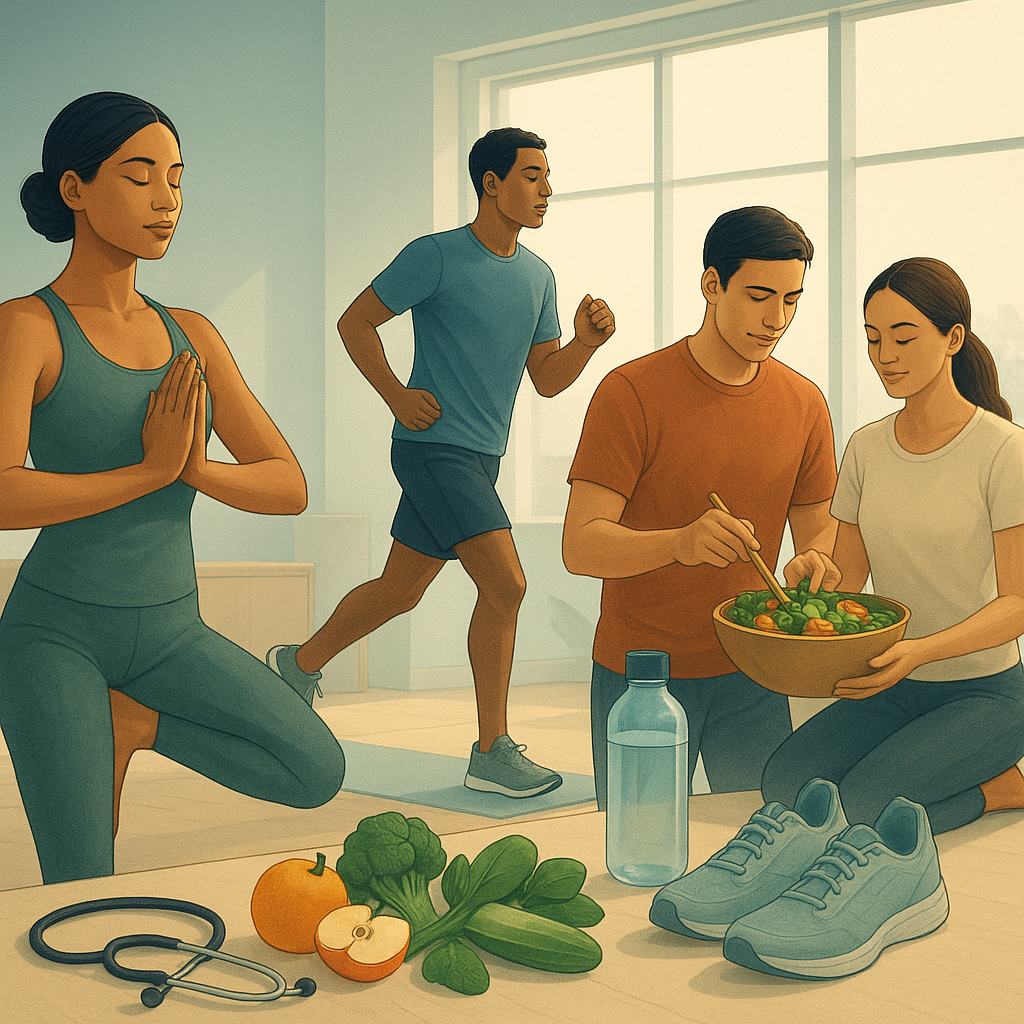
For beginners, understanding the core pillars of health is foundational. Each pillar interconnects to influence overall well-being, and neglecting one can impact others negatively.
Nutrition: Fueling the Body Smartly
Nutrition remains the cornerstone of health. In 2026, dietary recommendations emphasize whole foods, plant-based options, and minimal processed ingredients. The latest guidelines from the American Nutrition Association highlight the importance of macronutrient balance tailored to individual needs.
For beginners, practical steps include:
- Prioritize vegetables, fruits, whole grains, and lean proteins.
- Limit added sugars, saturated fats, and ultra-processed foods.
- Hydrate adequately—generally 2 to 3 liters daily, adjusted for activity and climate.
- Consider intermittent fasting cautiously, guided by professional advice.
Emerging research from 2025 also supports gut microbiome health's role in immunity and mental wellness, encouraging inclusion of fermented foods like yogurt and kimchi.
Physical Activity: Moving with Purpose
The World Health Organization recommends at least 150 minutes of moderate-intensity aerobic exercise per week for adults. However, 2026 fitness trends emphasize not only cardio but strength, flexibility, and balance training to support aging bodies and prevent injuries.
Beginners can start with:
- Walking briskly for 30 minutes, five times a week.
- Incorporating body-weight exercises to build strength.
- Practicing yoga or stretching to improve flexibility and reduce stress.
- Using wearable devices to track progress and stay motivated.
Studies published this year reveal that even short bursts of activity throughout the day can significantly reduce cardiovascular risk.
Sleep: The Underestimated Pillar
Sleep science has advanced dramatically, showing how restorative sleep underpins memory, mood, and immune function. The National Sleep Foundation advises 7–9 hours per night for adults, yet modern lifestyles often disrupt this rhythm.
Beginners should:
- Maintain consistent sleep schedules.
- Create a dark, cool, and quiet sleeping environment.
- Limit blue light exposure from screens before bedtime.
- Practice relaxation techniques like deep breathing or meditation.
Recent innovations include AI-driven sleep coaches embedded in smart mattresses, offering personalized insights.
Mindfulness and Mental Health
In 2026, mental health is recognized as equally important as physical health. Practices like mindfulness meditation, cognitive behavioral strategies, and social connectivity help manage stress and promote resilience.
Practical beginner tips include:
- Daily mindfulness exercises lasting 5–10 minutes.
- Journaling to process emotions.
- Social engagement to combat isolation.
- Seeking professional help when needed, without stigma.
"Mental health care is no longer optional; it is a vital component of holistic health strategies worldwide." — Dr. Rishi Patel, Psychiatrist
2026 Developments: Tech, Policy, and Global Health Trends
This year marks significant progress in health technology and policy that directly impacts beginners starting their wellness journey. The rise of AI health assistants has democratized access to personalized advice, enabling tailored nutrition and exercise plans based on genetic and biometric data.
Moreover, governments worldwide are investing heavily in preventive care initiatives. For example, the United States launched the "Healthy Futures" campaign in early 2026, aiming to reduce chronic disease incidence by 15% over five years through education, free screening programs, and community fitness projects.
Simultaneously, climate change's impact on health is gaining attention. Increased heat waves, air pollution, and vector-borne diseases challenge public health systems, emphasizing the need for resilience at individual and societal levels. Initiatives like those detailed in TheOmniBuzz's Taking Climate Action Seriously highlight how environmental health and personal wellness intersect.
Innovations in telemedicine, fueled by post-pandemic momentum, ensure that mental health services and chronic disease management have become more accessible, especially in underserved areas.
Practical Strategies for Beginners: Building Sustainable Habits
Starting a health journey can feel overwhelming, but breaking it into manageable steps increases the likelihood of success. Experts recommend focusing on consistency rather than perfection.
Actionable strategies include:
- Setting SMART goals (Specific, Measurable, Achievable, Relevant, Time-bound).
- Tracking progress with apps or journals to maintain accountability.
- Engaging with supportive communities, either in-person or online.
- Prioritizing sleep hygiene alongside diet and exercise.
- Scheduling regular health check-ups and screenings.
Additionally, beginners should be wary of misinformation and fad diets. Trusted sources and professional guidance are key. For those interested in technology, integrating health apps with wearable devices provides data-driven feedback, helping to adjust routines effectively.
To illustrate, consider the example of Emma, a 32-year-old novice who transformed her lifestyle over six months by gradually implementing these habits. She began walking daily, improved her diet by cooking at home, and practiced nightly meditation. Her experience aligns with findings published in TheOmniBuzz's Unlocking SaaS Success article, which underscores the power of incremental improvements and digital tools in achieving complex goals.
"Small, consistent steps are the building blocks of lifelong health; beginners should focus on sustainable changes rather than instant results." — Dr. Maria Nguyen, Nutritionist
Looking Ahead: The Future of Health for Beginners
The trajectory of health and wellness points towards increasingly personalized, technology-enhanced, and holistic approaches. Genetic testing and microbiome analysis will become standard parts of preventive care, allowing even beginners to tailor lifestyle choices to their unique biology.
Furthermore, mental health integration into general health care will deepen, supported by AI-powered diagnostics and virtual therapy platforms. Environmental health awareness will grow, linking personal wellness to planetary well-being.
Beginners should watch for:
- Advances in digital therapeutics and AI coaching.
- Expansion of community-based health initiatives.
- Greater emphasis on sleep and circadian science in public guidelines.
- Intersection of climate change and health policy affecting daily life.
The path forward is promising but requires proactive engagement. Building a solid health foundation today enables resilience against future challenges.
For those starting out, exploring resources beyond health alone can enrich the journey. Topics like sustainable living and technology’s role in daily life, as discussed in other TheOmniBuzz guides, provide complementary perspectives that foster overall well-being.
Ultimately, health is a lifelong pursuit defined by knowledge, habits, and adaptability.