Upgrading an old air conditioner can be a smart way to improve home comfort and manage electricity use. Modern air conditioning systems come with improved technology, better temperature control, and energy-saving features. However, the cost of buying and installing a new unit can sometimes make homeowners delay their upgrade.
An Air Conditioner Rebate can help make this upgrade more affordable by reducing some of the upfront expenses associated with an eligible system. Government-supported programs, such as the Victorian Energy Upgrades (VEU) program, encourage homeowners to choose energy-efficient products. Understanding how these rebates work can help you plan your upgrade, compare available systems, and make a suitable choice for your home.
What Is an Air Conditioner Rebate?
An air conditioner rebate is a financial incentive that helps eligible homeowners reduce the cost of upgrading or installing an approved air conditioning system. These incentives are generally offered through government energy efficiency programs to encourage households to use products that consume less electricity.
The main aim is to make energy-efficient home improvements more accessible. Instead of continuing to use an older system that may consume more power, homeowners can consider upgrading to a modern alternative.
However, rebate availability depends on the program rules, product specifications, property requirements, and installation conditions. Not every air conditioner automatically qualifies, so checking eligibility before starting an upgrade is important.
How Can an Air Conditioner Rebate Reduce Upgrade Costs?
Replacing an air conditioner involves several expenses, including purchasing the unit, installation labour, electrical work, and other materials. An eligible rebate can help reduce some of these costs.
Here are a few ways rebates can make an upgrade more affordable.
1. Reducing the Upfront Expense
The initial cost of a new air conditioner can vary depending on its size, type, brand, and features. Some energy-efficient models may have a higher purchase price than basic alternatives.
An available rebate can help reduce the amount homeowners need to pay for an eligible upgrade. This can make it easier to choose a suitable system without focusing only on the lowest purchase price.
2. Making Energy-Efficient Options More Affordable
Modern air conditioning systems are designed to provide effective heating and cooling while using electricity more efficiently.
However, some homeowners may avoid these systems because of their initial cost. Rebates can help make approved energy-efficient products more accessible and encourage better long-term choices.
3. Supporting the Replacement of Older Units
Older air conditioners may become less effective as they age. They might take longer to cool a room, struggle to maintain comfortable temperatures, or require more frequent servicing.
An eligible rebate may help homeowners manage the cost of replacing an outdated system with a newer model. This can improve indoor comfort while supporting better energy use.
4. Helping Homeowners Plan Their Budget
Planning an air conditioning upgrade involves more than selecting a product. Homeowners also need to consider installation charges, running costs, and any additional work required.
Knowing about available rebates before starting the project can help households understand the expected expenses and plan their budgets more effectively.
How Does the Victorian Energy Upgrades Program Work?
The Victorian Energy Upgrades (VEU) program is a government initiative that helps Victorian households and businesses improve energy efficiency.
The program works with accredited providers and participating businesses to make eligible energy-saving products and services more affordable. Depending on the current program conditions, certain air conditioning upgrades may qualify for financial incentives.
Homeowners may be able to receive a discount on an eligible upgrade when they work with an accredited provider and meet the required conditions.
The available incentive can depend on factors such as the product selected, its energy performance, and the installation requirements.
Before proceeding, homeowners should confirm whether their proposed air conditioning system is covered under the current program. Checking the latest conditions can help avoid unexpected costs or eligibility issues.
Which Air Conditioning System Should You Choose?
Choosing the right air conditioner is important for getting suitable performance and comfort. Different systems are designed for different property sizes and cooling requirements.
Here are some common options homeowners can consider.
Split-System Air Conditioning
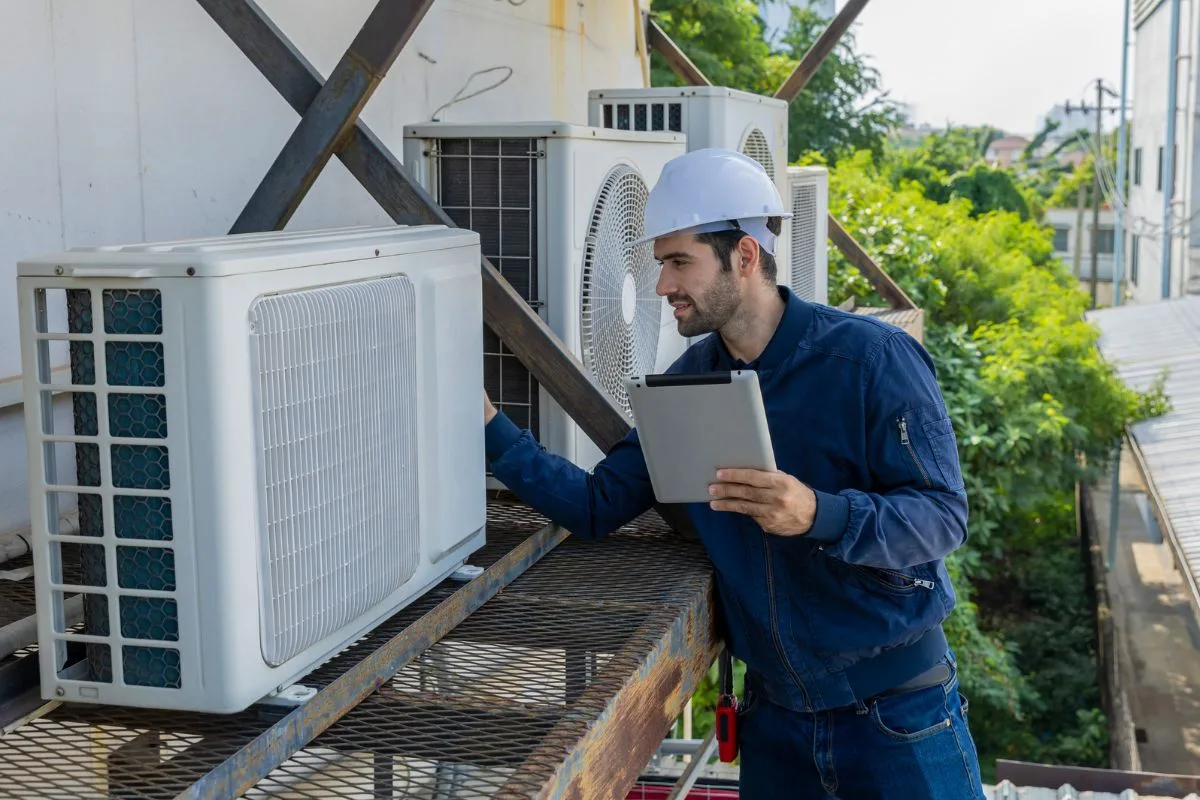
Split-system air conditioners are commonly installed in individual rooms or open living spaces. They include an indoor unit and an outdoor compressor connected by refrigerant pipes.
These systems can be suitable for homeowners who want to cool or heat specific areas without installing equipment throughout the entire property.
Multi-Split Air Conditioning
A multi-split system connects multiple indoor units to one outdoor unit. It allows homeowners to control temperatures in different rooms according to their needs.
This option can be useful for homes where several areas require separate temperature settings.
Reverse-Cycle Air Conditioning
Reverse-cycle air conditioners provide both heating and cooling. They can help maintain comfortable indoor temperatures during summer and winter.
For households looking for a system that can be used throughout the year, this may be a practical option.
Ducted Air Conditioning
Ducted air conditioning systems distribute heated or cooled air through ducts installed within the ceiling or floor space.
They are generally suitable for larger homes where homeowners want to manage temperatures across multiple rooms using a centralised system.
Before choosing any system, check its specifications, installation requirements, and eligibility for the relevant rebate program.
Factors That Affect the Cost of an Air Conditioning Upgrade
Even when a rebate is available, the total cost of upgrading an air conditioner can vary. Understanding the main factors can help homeowners compare quotations and avoid unexpected expenses.
System size: Larger properties may require air conditioners with greater capacity, which can increase the purchase and installation costs.
Type of system: Split, multi-split, and ducted systems have different equipment and installation requirements.
Energy efficiency: Models with higher energy efficiency ratings may have different upfront prices, but they can offer better electricity performance.
Installation work: Electrical upgrades, mounting, pipework, and removing old equipment can affect the final quotation.
Additional features: Smart controls, timers, zoning, and advanced temperature settings may increase the overall price.
Property layout: The position of indoor and outdoor units, available space, and the structure of the home can influence installation requirements.
Homeowners should request a detailed quotation that clearly explains the equipment, installation charges, applicable incentives, and final amount payable.
How to Check Your Eligibility for an Air Conditioner Rebate
Before arranging an installation, it is important to understand the eligibility requirements of the available program.
The following steps can help homeowners prepare for the process.
Step 1: Check Available Rebate Programs
Start by finding out which energy-saving programs are available in your area. Victorian homeowners can check the Victorian Energy Upgrades program for current air conditioning incentives.
Step 2: Review Product Requirements
Check whether the air conditioning system you are considering meets the program's product and energy efficiency requirements. Not every model will qualify.
Step 3: Contact an Accredited Provider
An accredited provider can explain the available options and help you understand whether your property and proposed upgrade meet the relevant conditions.
Step 4: Compare the Costs
Review the quotation carefully before agreeing to the installation. Make sure it includes the equipment price, labour charges, any applicable rebate, and the final amount you need to pay.
Step 5: Arrange the Installation
Once the eligibility and costs have been confirmed, you can arrange the installation according to the program requirements. Keep your relevant documents and installation details for future reference.
Why Is Energy Efficiency Important When Upgrading Your Air Conditioner?
Choosing an energy-efficient air conditioner can offer several benefits beyond the initial rebate.
Better Electricity Use
An efficient air conditioning system is designed to provide the required heating or cooling while using electricity more effectively. This can help households manage their energy consumption.
Improved Indoor Comfort
Modern systems often include features that support more consistent temperatures and better airflow. Choosing the correct system size also helps maintain comfortable conditions.
Heating and Cooling in One System
Reverse-cycle air conditioners provide both heating and cooling. This means homeowners can use one system for different seasonal requirements.
Better Control Over Temperature
Many modern air conditioners include adjustable settings, timers, and smart controls. These features allow homeowners to manage indoor temperatures according to their daily routines.
Long-Term Household Benefits
A properly selected and installed air conditioner can support comfortable indoor living and more efficient energy use over time. Regular maintenance can also help the system perform as expected.
Actual electricity savings depend on the system, household usage, electricity prices, and installation quality.
Common Mistakes to Avoid When Applying for an Air Conditioner Rebate
Although rebates can make upgrades more affordable, homeowners should take a few precautions before choosing a system.
- Ignoring eligibility conditions: Always check whether the product and installation meet the current program requirements.
- Choosing a system only because of the rebate: Consider your home's size, cooling needs, and expected running costs.
- Not comparing quotations: Review the full installation cost instead of focusing only on the advertised discount.
- Overlooking installation quality: A suitable system needs correct installation to perform effectively.
- Assuming every upgrade qualifies: Confirm the available incentive with an accredited provider before making a commitment.
- Ignoring ongoing maintenance: Regular cleaning and servicing can help maintain system performance.
Taking time to review these details can help homeowners make a more informed decision and avoid unnecessary expenses.
How Energy Go Can Help with Your Air Conditioning Upgrade
Choosing an air conditioning system and understanding available rebates can sometimes feel confusing. Homeowners may have questions about product eligibility, installation costs, energy efficiency, and the upgrade process.
Energy Go helps homeowners across Victoria make their properties more energy-efficient through practical home improvement solutions. As a VEU Accredited Provider, Energy Go delivers eligible energy-saving solutions under the Victorian Energy Upgrades program.
The team helps homeowners understand available options, relevant program requirements, and the steps involved in making an upgrade. The aim is to make the process easier by providing clear information and helping customers understand the costs and benefits before making a decision.
Whether you are planning to replace an older air conditioner or considering a more energy-efficient system, getting the right information can help you choose an option that suits your home and budget.
Conclusion
An air conditioner rebate can help reduce the upfront expense of upgrading to an eligible energy-efficient system. It can make modern air conditioning more accessible while encouraging households to improve energy use and indoor comfort.
However, homeowners should consider more than just the rebate amount when choosing a new system. Product efficiency, property size, installation costs, and long-term running expenses are also important.
Before starting an upgrade, check the current eligibility requirements, compare available systems, and understand the final installation cost. With support from Energy Go, Victorian homeowners can explore suitable energy-saving solutions and make informed decisions about improving their home's heating and cooling.