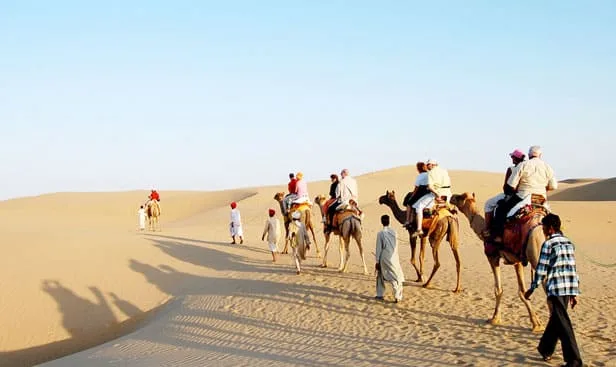

Setting the Scene: The Traveler’s Moment of Transformation
Imagine standing on the edge of the Salar de Uyuni in Bolivia, an endless mirror reflecting the sky, or wandering through the bustling night markets of Seoul, where ancient tradition meets neon-lit modernity. These moments are no longer just snapshots in a photo album but gateways to profound personal and cultural transformation. In 2026, travel has evolved from a leisure activity to a dynamic catalyst for self-discovery, global awareness, and societal change. The traveler’s journey is increasingly defined not by the places visited but by the encounters and reflections those places inspire.
This shift is evidenced by recent data from global tourism boards and lifestyle studies: travelers today prioritize immersive experiences, sustainable practices, and authentic local connections over traditional sightseeing. According to the World Tourism Organization, experiential travel now accounts for nearly 60% of international trips, a sharp rise from just 35% in 2018. This trend reflects a deeper yearning for meaning and impact in an era marked by climate concerns, digital saturation, and geopolitical uncertainty.
“Travel is no longer about ‘checking off’ destinations; it’s about what those places do to us—how they challenge, inspire, and change our worldview.” — Dr. Lila Moreno, Cultural Anthropologist
Tracing the Roots: From Mass Tourism to Purposeful Journeys
The global travel industry has undergone seismic shifts over the past two decades. The early 2000s saw a boom in budget airlines and online booking platforms, democratizing access to far-flung destinations. However, this mass tourism model brought unintended consequences: overtourism, environmental degradation, and the commodification of culture. Iconic locations like Venice, Machu Picchu, and Bali grappled with overcrowding and resource strain, forcing a reckoning within the travel sector.
In response, 2010s to early 2020s witnessed the rise of sustainable and responsible travel movements. The COVID-19 pandemic further accelerated introspection, halting global mobility and prompting travelers and industry leaders to rethink priorities. Remote work trends, as explored in our analysis of Travel in 2026: Navigating the Future of Exploration and Connectivity, also reshaped how and why people move. Travelers began seeking longer stays that fostered deeper local engagement rather than fleeting visits.
These contextual shifts laid the groundwork for today’s travel ethos—one centered on meaningful interaction, ecological mindfulness, and cultural respect. The industry’s pivot is not merely a reaction to crisis but an evolution toward embedding travel within a broader lifestyle philosophy.
Data-Driven Insights: The New Travel Paradigm
Recent comprehensive studies reveal that travelers’ motivations have diversified and deepened. A 2025 global survey by the International Travel Institute found:
- 72% of travelers actively seek experiences that contribute positively to the local communities they visit.
- 65% prioritize destinations with clear environmental sustainability initiatives.
- 58% integrate digital detox or wellness components into their itineraries.
These figures underscore a decisive shift from passive sightseeing to active participation and reflection. Moreover, the proliferation of technology has enabled personalized travel experiences through AI-driven itinerary planning, real-time cultural insights, and eco-impact tracking apps.
Comparing travel expenditures highlights evolving priorities. In 2026, travelers allocate approximately 40% of their budgets to cultural activities, workshops, and local artisan products, with only 25% spent on accommodation, a reversal from the 2015 spending pattern. This reallocation reflects a desire for deeper cultural immersion and support for local economies.
“Our research shows that travel is becoming a vehicle for social impact and personal growth rather than mere entertainment.” — Elena Kwan, Lead Analyst, International Travel Institute
Current Landscape in 2026: Innovations and Challenges
Today’s travel ecosystem is shaped by technological, cultural, and geopolitical factors. Artificial intelligence and virtual reality augment pre-trip planning and on-site engagement, enhancing the depth of experience while reducing environmental footprints. For instance, AI-powered translation and cultural etiquette guides facilitate authentic interactions, while VR previews allow travelers to make informed decisions about their environmental impact.
Simultaneously, climate change remains a critical challenge. Airlines and cruise lines face stringent emissions regulations, accelerating investments in sustainable fuels and electric propulsion. According to industry reports, electric aircraft capable of regional flights have entered commercial service in parts of Europe and North America, marking a significant milestone.
However, socio-political instability in regions such as parts of Africa and the Middle East continues to influence travel patterns. Shifting diplomatic relations and travel advisories necessitate greater traveler awareness and adaptability. In this context, curated travel platforms that combine safety data, sustainable credentials, and cultural insights gain prominence.
In parallel, cultural tourism has been revitalized by indigenous-led initiatives promoting heritage preservation and equitable economic participation. These efforts align with a broader global movement recognizing travel as an opportunity to support marginalized communities.
Voices from the Field: Expert Perspectives
Industry leaders and cultural experts emphasize the transformative potential of travel when approached thoughtfully. Maria Sanchez, CEO of Global Roots Travel, advocates for “travel that respects the dignity and traditions of host communities while enriching the traveler’s understanding.”
Dr. Raj Patel, a sociologist specializing in mobility and identity, highlights the psychological benefits: “Travel encourages cognitive flexibility and empathy, essential traits in today’s interconnected world. It challenges entrenched stereotypes and fosters a more nuanced worldview.”
Meanwhile, technology innovators stress the balance between digital enhancement and genuine presence. “Our goal is to use tech as a bridge, not a barrier, to authentic human connection,” explains Anika Müller, CTO of WanderTech Solutions, a leader in AI travel assistants.
- Experts agree on key travel trends for 2026:
- Increased demand for local-led tours and community homestays.
- Growth of regenerative tourism practices that restore ecosystems.
- Integration of wellness and mental health support within travel packages.
Such insights resonate with the themes discussed in Why Travel Remains Humanity’s Most Profound Classroom, which explores how travel continues to serve as a critical educational platform beyond formal settings.
Looking Ahead: The Future of Travel and Its Broader Impact
As we look beyond 2026, travel’s trajectory suggests a deepening fusion of personal growth, societal benefit, and environmental stewardship. Travelers will increasingly act as ambassadors of cultural exchange and sustainability, influencing global attitudes and policies.
Key developments to watch include:
- Expansion of regenerative travel models that not only minimize harm but actively improve destinations.
- Broader adoption of immersive technologies that enhance accessibility for differently-abled travelers and those with limited resources.
- Greater integration of travel with remote work and digital nomadism, reshaping urban and rural economies worldwide.
Furthermore, the travel industry’s collaboration with governments, NGOs, and local communities will be pivotal to ensuring ethical and equitable practices. Travelers themselves are becoming more discerning consumers demanding transparency and accountability.
“The future traveler is not just a visitor but a participant in the global community’s wellbeing.” — Maria Sanchez, Global Roots Travel
By embracing these shifts, travel will continue to fulfill its unique role as a powerful agent of change—personal, cultural, and planetary. For those seeking guidance on avoiding common pitfalls and maximizing meaningful engagement, our article on Avoiding Travel Traps: Essential Lessons from Common Mistakes offers practical insights.
Ultimately, travel in 2026 and beyond is not merely about moving across the globe but about moving within ourselves and society toward greater understanding and shared stewardship. This paradigm invites us all to rethink how we explore and what we take away from the world’s vast mosaic of places and peoples.