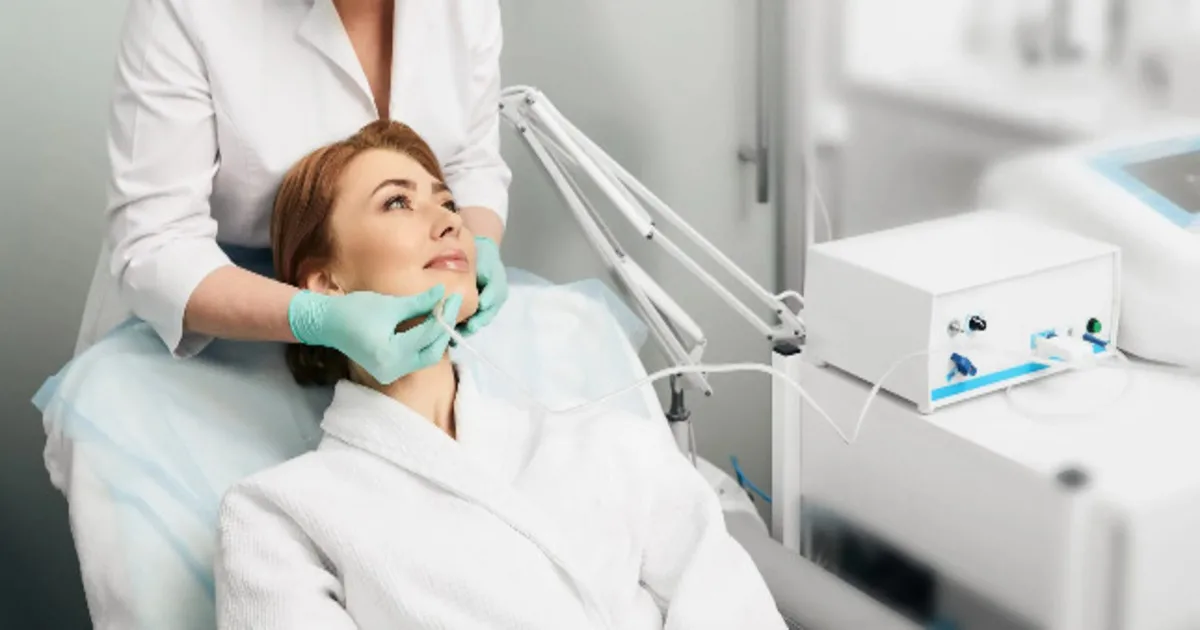
Teeth grinding, also known as bruxism, can place repeated pressure on the jaw muscles and teeth. Some people grind their teeth during sleep without realising it, while others clench their jaw during stressful situations. Over time, this habit may contribute to jaw soreness, facial discomfort, headaches, and tooth damage. Alongside conventional treatments, Botox may be considered in selected cases to help reduce excessive jaw muscle activity.
How Does Teeth Grinding Cause Jaw Tension?
The masseter muscles, located on either side of the jaw, play an important role in chewing and closing the mouth. When these muscles repeatedly contract due to grinding or clenching, they can become overworked and uncomfortable.
A consultation at a dental clinic in Burnaby can help identify signs of bruxism, including worn tooth surfaces, jaw tenderness, and muscle tightness. A dental professional can also assess whether the discomfort is related to teeth grinding or another condition affecting the jaw joint.
Can Botox Help Reduce Jaw Muscle Tension?
Botox is a purified form of botulinum toxin type A that temporarily reduces muscle activity by blocking certain nerve signals. When injected into the masseter muscles by a qualified healthcare professional, it may reduce the force of jaw clenching and help relieve associated muscle discomfort in some patients.
However, Botox does not eliminate the underlying causes of bruxism, and results can vary. If you are experiencing persistent jaw soreness, a dental clinic near you can help assess your symptoms and discuss suitable management options before considering injections.
What Are the Other Treatment Options for Teeth Grinding?
Botox is not usually the first treatment for every case of bruxism. Depending on the cause and severity, a dental professional may recommend:
- Custom night guards: These protect the teeth from direct grinding during sleep.
- Stress management: Relaxation techniques may help reduce stress-related clenching.
- Behavioural changes: Becoming aware of daytime jaw clenching can help reduce unnecessary muscle tension.
- Dental assessment: Identifying worn teeth, bite-related concerns, or other oral conditions helps guide treatment.
When discussing botox in Burnaby, patients should ask about possible benefits, limitations, side effects, and whether the treatment is appropriate for their symptoms.
What Should You Know Before Considering Botox?
Botox injections may cause temporary side effects such as bruising, swelling, tenderness, or changes in chewing strength. Less commonly, patients may experience an uneven smile or unwanted effects on nearby muscles. Treatment should only be performed by a qualified and appropriately trained professional following an individual assessment.
Conclusion
Botox may help some people manage jaw tension associated with teeth grinding by temporarily reducing excessive muscle activity. However, it is important to identify the cause of bruxism and consider appropriate treatment options rather than relying on injections alone. If you are researching botox near you, consult a qualified professional to understand whether this approach is suitable for your symptoms and overall oral health.