
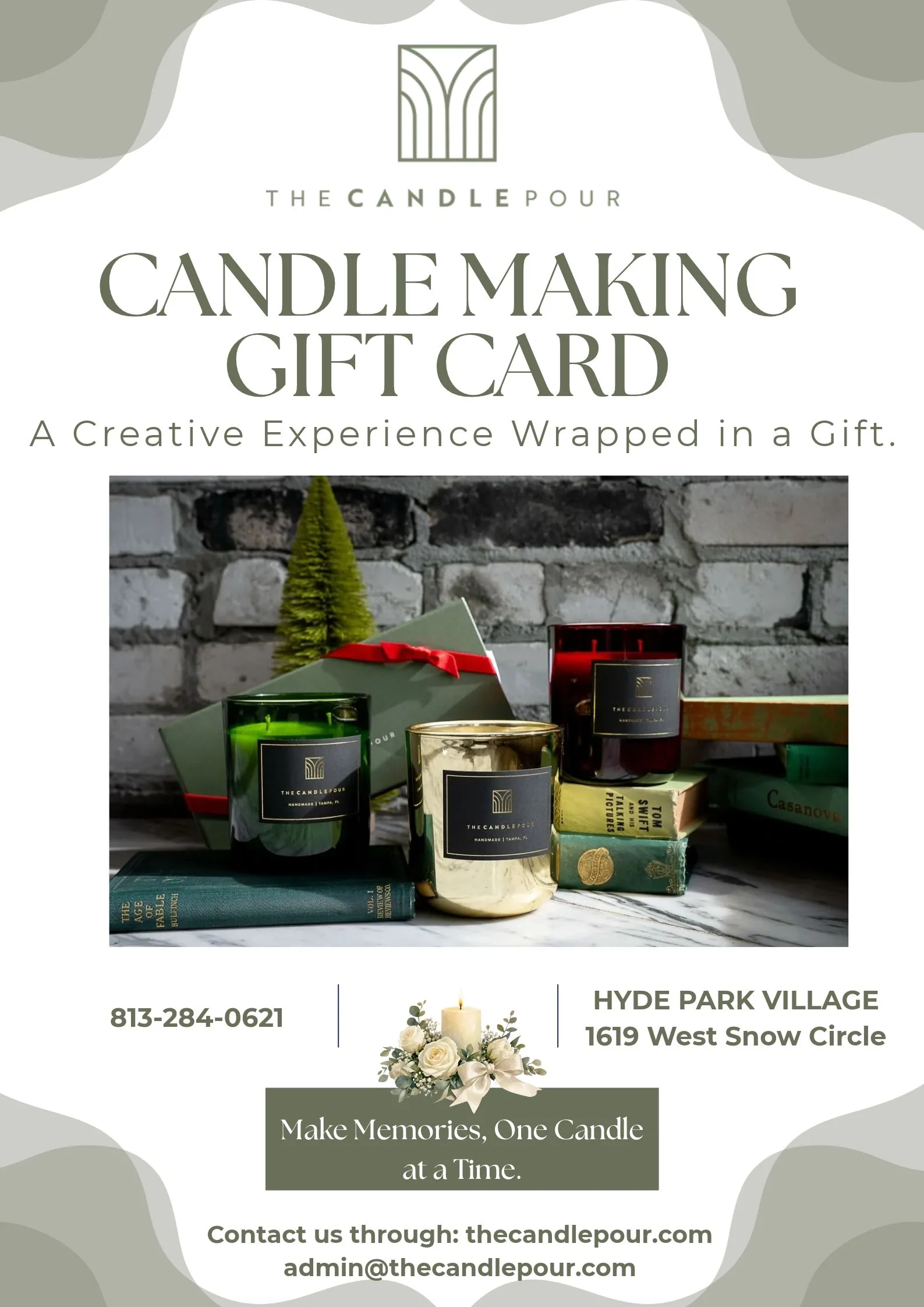
Candle making is a creative activity that allows people to experiment with fragrances, colors, textures, and different decorative styles. For those interested in Candle making Sarasota, this craft offers an enjoyable way to explore handmade products while learning practical skills. Whether someone wants to try a new hobby, create personalized gifts, or make decorative candles for their home, understanding the basic process can make the experience more rewarding.
Making a candle involves several steps, including selecting the right wax, choosing a suitable wick, measuring fragrance oils, and controlling the temperature during preparation. Each material plays an important role in the finished product. Even small adjustments to these elements can influence how a candle looks, smells, and burns.
Understanding the Basics of Candle Making
Candle making is the process of combining melted wax with a wick and, when desired, fragrance and color. The prepared mixture is poured into a container or mold and allowed to cool until it becomes solid. Although the basic process sounds simple, producing a consistent candle requires attention to measurements, temperatures, and material compatibility.
Different candle-making methods create different results. Container candles are commonly made using glass jars or metal tins, while molded candles can take the shape of decorative objects, geometric patterns, or traditional candle designs. Beginners often start with container candles because the process is relatively straightforward.
Choosing the Right Wax
Wax is the foundation of every candle, and different varieties have different characteristics. Soy wax is commonly used for container candles because of its smooth appearance and easy handling. Paraffin wax is another widely used option and is known for its ability to hold fragrance and color. Beeswax has a naturally warm appearance and a subtle honey-like scent, while coconut wax is often blended with other waxes to create specific textures and burning characteristics.
The choice depends on the intended candle design, container, and fragrance. Beginners should select a wax specifically formulated for their project rather than assuming all waxes can be used in the same way.
The Importance of Fragrance Selection
Fragrance is one of the most noticeable features of a handmade candle. The right scent can create a particular atmosphere and make a candle more suitable for different settings. Floral, fruity, woody, fresh, and warm fragrances are common choices among candle makers. Lavender, vanilla, citrus, sandalwood, and eucalyptus are examples of scents frequently used in home fragrance products.
When exploring custom candle Sarasota ideas, fragrance selection provides an opportunity to create combinations based on individual preferences. Some people enjoy fresh citrus notes, while others prefer softer floral or warm fragrances. Combining complementary scents can produce interesting results, but beginners should experiment with small batches first.
How to Choose Candle Fragrances
The fragrance oil must be suitable for candle making because not every perfume or essential oil is designed to perform properly in heated wax. It is important to check the manufacturer's recommended fragrance load and temperature instructions. Adding excessive fragrance does not necessarily make a candle smell stronger and may affect its burning performance.
Testing different fragrance combinations in small quantities is a practical way to understand how scents work together. Allowing candles to cure for the recommended period can also help fragrance performance develop before the finished product is evaluated.
Creating Personalized Candle Designs
One of the enjoyable parts of candle making is the freedom to personalize the finished product. People who want to create your own candle Sarasota can experiment with different container styles, wax colors, fragrances, and decorative finishes. A simple candle can become more distinctive through thoughtful choices in presentation and design.
For example, neutral-colored candles may complement minimalist interiors, while colorful layered candles can work well as decorative pieces. Seasonal fragrances and customized labels can also make candles suitable for birthdays, holidays, and other occasions.
Popular Candle Design Ideas
Layered candles are created by pouring different colored wax layers into a container and allowing each layer to set before adding the next. Single-color candles offer a simpler and more understated appearance. Decorative containers, personalized labels, and carefully selected fragrances can also change the overall look of a finished candle.
It is best to begin with uncomplicated designs before trying more detailed techniques. This allows beginners to understand how wax behaves during melting, pouring, and cooling.
Exploring Candle-Making Activities in Sarasota
Creative workshops can provide a practical introduction to candle making. People searching for candle making downtown Sarasota may be interested in activities where they can learn about materials, fragrance selection, and pouring techniques in a guided setting. These experiences can be useful for beginners who prefer hands-on instruction instead of learning every step independently.
A typical workshop may begin with an explanation of different wax varieties and candle-making equipment. Participants may then choose a fragrance, prepare the wax, and pour it into a selected container. Depending on the session, some workshops may also cover wick placement, color selection, candle finishing, and packaging.
Before attending, it is helpful to check what materials are included, how long the activity lasts, and whether the finished candle can be taken home. These details help participants understand what to expect from the experience.
Essential Materials and Equipment
A successful candle-making project requires a few basic materials. Wax, a suitable wick, fragrance oil, and a container are the main components. A thermometer is useful for monitoring temperature, while a suitable melting setup and pouring equipment help make preparation easier.
The wick deserves particular attention because it influences how the candle burns. Its size should be compatible with the wax type, fragrance load, and container diameter. An incorrectly sized wick may cause uneven melting, excessive smoke, or an unstable flame.
Using materials designed specifically for candle making can help reduce common problems. Beginners should also follow the instructions provided by wax and fragrance manufacturers instead of relying on estimated measurements.
Comparing Different Candle-Making Styles
| Candle Type | Main Feature | Common Use |
|---|---|---|
| Soy container candles | Smooth wax and simple designs | Home fragrance |
| Paraffin candles | Versatile color and fragrance options | Decorative and everyday candles |
| Beeswax candles | Natural color and subtle scent | Traditional candle designs |
| Layered candles | Multiple colors and visual effects | Decorative projects |
| Molded candles | Different shapes and structures | Gifts and creative displays |
Each type requires an appropriate wax formulation and preparation method. The final result depends on the materials, equipment, and techniques used.
Safety and Practical Tips for Beginners
Candle making involves working with hot wax, so safety should always be a priority. Melt wax using an appropriate double-boiler system or approved melting equipment, and never leave it unattended. Keep the workspace clean and away from flammable materials. Children and pets should remain away from hot equipment during preparation.
Temperature control is equally important. Heating wax beyond the recommended range can create unnecessary hazards and affect the final product. Fragrance oils and colorants should only be added according to their manufacturers' instructions.
Another useful practice is to test each candle before regular use. Check the wick, flame behavior, melting pattern, and container temperature. Trim the wick according to the manufacturer's recommendations before lighting, and never leave a burning candle unattended.
People Also Ask
Is candle making suitable for beginners?
Yes, candle making can be a beginner-friendly activity. Starting with a simple container candle helps new learners understand wax preparation, wick placement, fragrance measurement, and cooling.
What is the best wax for making candles?
Soy wax is a common choice for beginner container candles. However, paraffin, beeswax, and coconut wax blends are also suitable for different candle styles and applications.
How long does it take to make a candle?
Preparing and pouring a basic candle may take around 30 to 60 minutes. Cooling and curing require additional time, depending on the wax and fragrance used.
Can I combine different fragrances in one candle?
Yes, compatible candle fragrance oils can be combined to create personalized scents. Small test batches help determine whether the fragrances work well together.
What happens during a candle-making workshop?
A typical workshop introduces participants to wax types, fragrances, equipment, and pouring techniques. Some sessions also include wick selection, color customization, and finishing instructions.
Frequently Asked Questions
Why does homemade candle wax sometimes crack?
Cracks may develop because of uneven cooling, temperature fluctuations, or an unsuitable wax formulation. Following recommended pouring and cooling instructions can help prevent these issues.
How long should a handmade candle cure?
Curing time varies depending on the wax and fragrance combination. Some candles require several days, while others need longer. Manufacturer recommendations provide the most reliable guidance.
Can handmade candles be personalized?
Yes, candles can be personalized through fragrance combinations, wax colors, containers, labels, and decorative finishes. These choices make them suitable for different preferences and occasions.
Why does a candle burn unevenly?
Uneven burning can result from an unsuitable wick, incorrect wick positioning, drafts, or an incompatible container. Selecting the correct wick size and testing the candle can help improve its performance.
Are candle-making activities suitable for groups?
Many candle-making workshops accommodate friends, families, and small groups. Participants should check group size limits, age requirements, and booking arrangements before attending.
Candle making brings together creativity, practical knowledge, and personal expression. Learning about wax varieties, fragrance combinations, wick selection, and safe preparation provides a strong foundation for anyone interested in handmade candles. Starting with simple projects and gradually exploring new techniques can make the process easier and more enjoyable.
For people Exploring candle-making activities in Sarasota, understanding the materials and available creative approaches can help them decide which experience best matches their interests. Whether making a candle independently or participating in a guided activity, the process offers an opportunity to create something personal and useful.