Exploring Australia's great outdoors with a camper trailer is an excellent way to enjoy road trips, camping holidays and off-road adventures. However, before heading out, ensuring your trailer is securely connected to your towing vehicle is essential. Even a small issue with the coupling system can create serious safety risks on the road.
Understanding common camper trailer coupling problems helps caravan and camping enthusiasts identify early warning signs, prevent unexpected breakdowns and enjoy safer journeys.
Why Is a Camper Trailer Coupling Important?
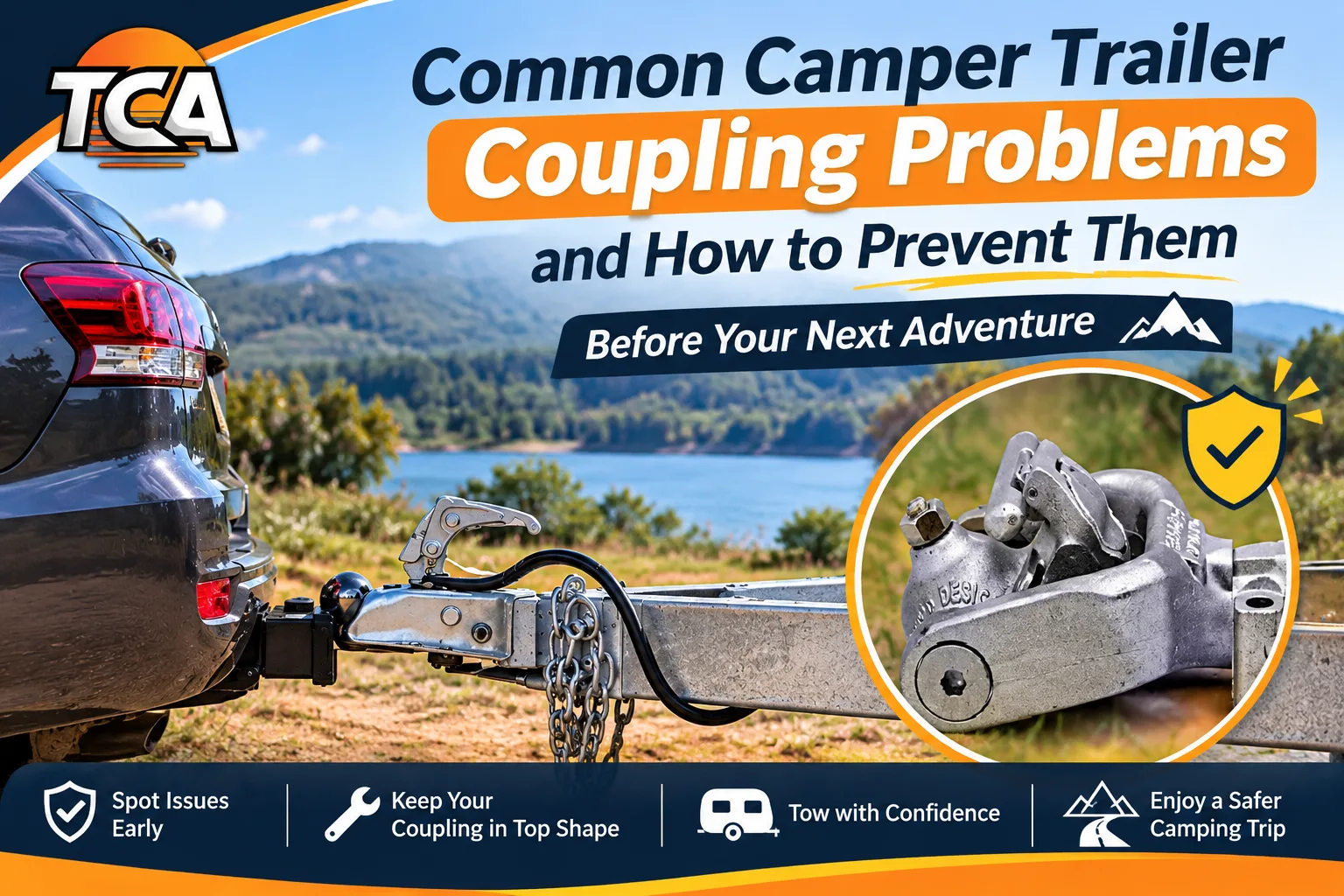
A camper trailer coupling connects the trailer's drawbar to the tow ball or compatible towing mechanism on your vehicle. It plays an important role in maintaining a secure connection while travelling across highways, uneven roads and challenging off-road tracks.
Australian driving conditions can expose coupling components to dust, mud, moisture and constant vibration. Regular inspections and maintenance are therefore essential to keeping your towing setup reliable.
7 Common Camper Trailer Coupling Problems to Watch For
1. Rust and Corrosion
Exposure to rain, coastal air, mud and water crossings can cause rust to develop on metal coupling components. Over time, corrosion can weaken the structure and affect the locking mechanism.
Prevention: Clean the coupling after trips involving mud or saltwater exposure. Dry the components thoroughly and apply suitable protective products according to the manufacturer's recommendations.
2. Incorrect Tow Ball and Coupling Size
Using an incompatible tow ball and coupling can prevent the locking mechanism from engaging correctly. Even if the components appear to fit, an incorrect match can create an unsafe towing connection.
Prevention: Always check the size and specifications marked on the coupling and tow ball. Ensure both components are compatible before connecting your camper trailer.
3. Worn or Damaged Internal Components
Regular towing, heavy loads and rough terrain can gradually wear down internal coupling components. Excessive movement, rattling and unusual noises may indicate that the coupling requires attention.
Prevention: Inspect the coupling socket, latch and other moving parts regularly. Replace damaged or excessively worn components instead of relying on temporary adjustments.
4. Dirt and Contaminated Grease
Dust, sand and old grease can accumulate inside the coupling mechanism. This combination may increase friction and accelerate component wear, particularly during off-road adventures.
Prevention: Clean away contaminated grease periodically and apply the lubricant recommended by the manufacturer. Avoid excessive lubrication that could attract additional dirt.
5. Improperly Secured Coupling Mechanism
A coupling that appears connected may not always be fully locked. Forgetting to secure the locking pin or secondary safety mechanism can increase the risk of accidental disconnection.
Prevention: Follow the manufacturer's coupling procedure every time. Check that the latch is fully engaged, fit the required locking pin and carry out the recommended connection verification before departure.
6. Loose Bolts and Structural Damage
Constant vibration and demanding road conditions can affect mounting bolts and the surrounding drawbar structure. Cracks, loose fasteners or damaged welds should never be ignored.
Prevention: Inspect mounting points, bolts and welds before longer journeys. Follow the manufacturer's torque specifications and arrange professional repairs if structural damage is identified.
7. Damaged Safety Chains and Breakaway Components
Safety chains and breakaway systems provide additional protection if the primary towing connection fails. Corrosion, worn links or incorrect attachment can compromise their effectiveness.
Prevention: Check safety chains, rated attachment points, shackles and breakaway components before every trip. Ensure everything is connected according to applicable Australian requirements and manufacturer instructions.
Essential Camper Trailer Coupling Checks Before Every Trip
A simple pre-departure inspection can help prevent avoidable towing problems.
Before setting off, check:
- The coupling is compatible with the vehicle's tow ball.
- The locking mechanism is fully engaged and secured.
- There are no visible cracks, excessive rust or unusual wear.
- Mounting bolts and surrounding components are secure.
- Safety chains and electrical connections are properly attached.
- The breakaway system is connected and functional, where fitted.
- The trailer remains securely connected following the manufacturer's recommended verification procedure.
If you notice unusual movement, damage or difficulty securing the coupling, do not continue towing until the issue has been professionally assessed and resolved.
When Should You Replace a Camper Trailer Coupling?
Regular maintenance can extend the service life of a coupling, but replacement becomes necessary when components are significantly worn, cracked, distorted or corroded.
A damaged locking mechanism, excessive play that cannot be corrected or compromised mounting points are all warning signs. Choosing a suitable replacement that meets your trailer's weight requirements and towing specifications is essential.
Professional inspection can also help identify problems that may not be immediately visible during routine checks.
Enjoy Safer Australian Adventures with the Right Trailer Setup
A reliable camper trailer coupling is an important part of a safe and enjoyable camping experience. From checking compatibility and preventing corrosion to inspecting safety chains and securing the locking mechanism, small maintenance habits can make a significant difference.
Whether you are planning a weekend getaway or a longer off-road adventure, never overlook your towing equipment. With quality products, regular inspections and proper maintenance, you can reduce unexpected towing issues and travel with greater confidence.
For campers looking to improve their towing setup and prepare for their next adventure, Trailer Camper Australia is a brand worth exploring for camper trailer solutions and equipment.
Original Source : https://goelist.com/common-camper-trailer-coupling-problems-and-how-to-prevent-them/