A retail store and a private villa may serve completely different purposes, but both have something important in common: the way a space is designed influences how people experience it.
In a retail environment, customers notice the entrance, explore product displays and form an impression of a brand before speaking to anyone. At home, the experience is more personal. The layout, lighting, furniture and colours influence how comfortable people feel and how naturally they move through their surroundings.
This is why interior design should go beyond choosing attractive furniture or expensive finishes. It requires an understanding of people, their expectations and the purpose of each space.
In a city like Dubai, where retail businesses compete for attention and homeowners have increasingly individual design preferences, thoughtful interior planning has become an important part of both commercial and residential projects.
Retail Design Is About More Than Creating an Attractive Store
A well-designed retail store should make customers feel comfortable enough to explore. The entrance needs to be inviting, products should be easy to find, and the overall arrangement should make shopping convenient.
Even small design decisions can influence the customer experience. Poor lighting can make products less appealing, overcrowded displays can discourage browsing, and an inconvenient checkout arrangement can create unnecessary frustration.
A successful retail environment considers several elements:
- Store layout: Customers should be able to navigate the space without confusion.
- Lighting: Different lighting arrangements can highlight products and establish the right atmosphere.
- Product displays: Fixtures and shelving should make merchandise accessible while maintaining visual order.
- Brand identity: Colours, materials, signage and furniture should communicate the personality of the business.
- Customer movement: The arrangement should allow comfortable circulation from the entrance to product sections and checkout.
These decisions are especially relevant for boutiques, fashion stores, beauty outlets, showrooms and speciality retail businesses.
Businesses looking to create a distinctive customer environment often seek professional help with Retail Interior design in Dubai, where brand presentation, customer movement and practical store operations need to work together.
Why Brand Identity Should Influence Interior Design
Customers often form an opinion about a business before they have tried its products or services. The physical environment plays a role in that first impression.
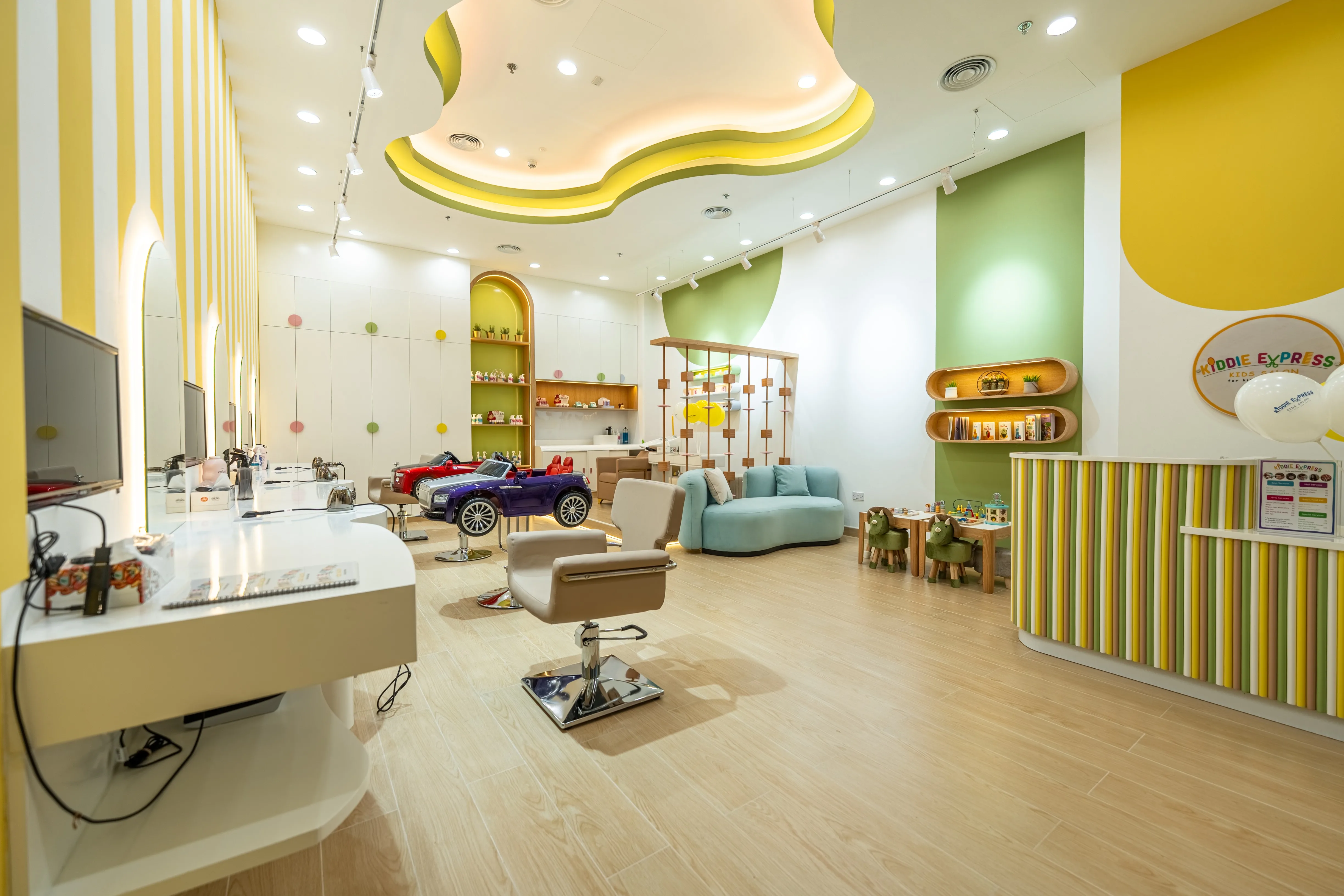
Consider a premium fashion boutique. Its interiors may use carefully selected materials, warm lighting and minimal displays to create an exclusive atmosphere. A children's retail store, on the other hand, might benefit from brighter colours, accessible shelving and clearly organised product sections.
Neither approach is universally better. The right design depends on the business, its audience and what it wants customers to remember.
This is where interior designers need to understand the brand before developing the concept. Simply copying the appearance of another successful store rarely produces an environment that feels original.
The same principle applies to residential interiors. A home should reflect the preferences and routines of its occupants rather than look like a replica of a showroom.
Amanda D'Souza's Approach to Creating Meaningful Interiors
Amanda D'Souza, founder and principal designer of Euphoria Interiors, established the Dubai-based design company in 2016.
Her approach to interior design focuses on understanding the people who will use a space before making decisions about its appearance. This philosophy applies to both residential and commercial projects.
For a retail business, that means considering the brand, target customers, product presentation and daily operations. For a homeowner, it means understanding family requirements, personal preferences, privacy and comfort.
Under Amanda's leadership, Euphoria Interiors works across different types of interiors, including villas, apartments, boutiques, showrooms and other commercial spaces.
The company provides design, furnishing and turnkey services. Depending on the project, this can involve initial consultations, concept development, space planning, 3D visualisation, technical drawings, material selection, procurement, execution and final installation.
Having a coordinated process is particularly useful for business owners who need their stores completed within a defined opening schedule. It also helps homeowners who prefer a single team to manage the different stages of an interior transformation.
The Residential Side: Creating Villas That Reflect Their Owners
While commercial interiors need to communicate a brand, residential interiors have a different responsibility. They need to support everyday living.
Villa design in Dubai can involve several considerations, particularly in larger properties. Living rooms, family lounges, bedrooms, kitchens, dining areas and outdoor spaces must feel connected without losing their individual purposes.
A family might need additional storage, a dedicated entertainment room or a comfortable space for hosting guests. Another homeowner may prefer open-plan living, natural materials and a more understated colour palette.
Good design starts by identifying these requirements.
Material selection is equally important. Natural stone, wood finishes, textured fabrics and carefully selected lighting can introduce warmth and character. However, their suitability should also be judged by durability, maintenance and the way they will be used.
Homeowners planning a complete residential transformation can explore luxury villa interior design in dubai to understand how design planning, furnishing and turnkey execution can come together in a single project.
Why Design Planning and Execution Need to Work Together
One of the biggest challenges in interior projects is translating the original design into the finished space.
A concept may look impressive in a presentation, but its success depends on practical details such as accurate measurements, material availability, technical drawings, contractor coordination and installation quality.
For retail businesses, these decisions also affect the opening schedule. Delays in fixture manufacturing, lighting installation or finishing work can postpone the launch of a store.
For villa owners, poor coordination can lead to inconsistent finishes, unexpected expenses and spaces that do not match the approved design.
This is why project planning should include a clear scope of work, realistic timelines and an understanding of the costs involved before execution begins.
A well-managed design process allows the client to make important decisions at the right stages while the design team coordinates the technical and operational details.
Good Design Should Work Long After the Project Is Complete
The best interiors are not necessarily the ones that follow the latest trends. They are the ones that continue to serve their purpose comfortably over time.
A retail store should remain practical as its product range changes. Its fixtures, lighting and display arrangements should allow the business to adapt without requiring a complete redesign.
Likewise, a villa should accommodate changing family needs while retaining its original character. Thoughtful storage, flexible furniture arrangements and durable materials can make a home easier to maintain and enjoy.
Whether the project involves a commercial property or a private residence, the foundation remains the same: understand the people using the space, plan around their needs and pay attention to the details that affect everyday experience.
That is what separates interiors that simply look impressive from spaces that genuinely work.
Frequently Asked Questions
1. Why is professional retail interior design important for a business?
Professional retail interior design helps create an organised shopping environment, improve product presentation and establish a consistent brand identity. It also considers customer movement, lighting, display arrangements and checkout accessibility.
2. What does a retail interior design project in Dubai typically include?
Depending on the project, services can include site assessment, space planning, brand concept development, 3D visualisation, lighting design, custom fixtures, display systems, technical drawings, approvals and complete store fit-out.
3. How is residential interior design different from retail interior design?
Residential design focuses on comfort, lifestyle, privacy and the everyday needs of homeowners. Retail design focuses more on brand identity, customer experience, product visibility and efficient store operations. Both require careful space planning and material selection.
4. What should homeowners look for when choosing a villa interior design company in Dubai?
Homeowners should review previous projects, understand the company's design process and check whether it can manage the required scope of work. Transparent pricing, clear communication, material specifications and realistic completion schedules are also important.
5. Who is Amanda D'Souza at Euphoria Interiors?
Amanda D'Souza is the founder and principal designer of Euphoria Interiors, which she established in Dubai in 2016. She leads the company's approach to creating residential and commercial interiors based on individual client requirements and practical design considerations.