Education at a Crossroads: A 2026 Snapshot
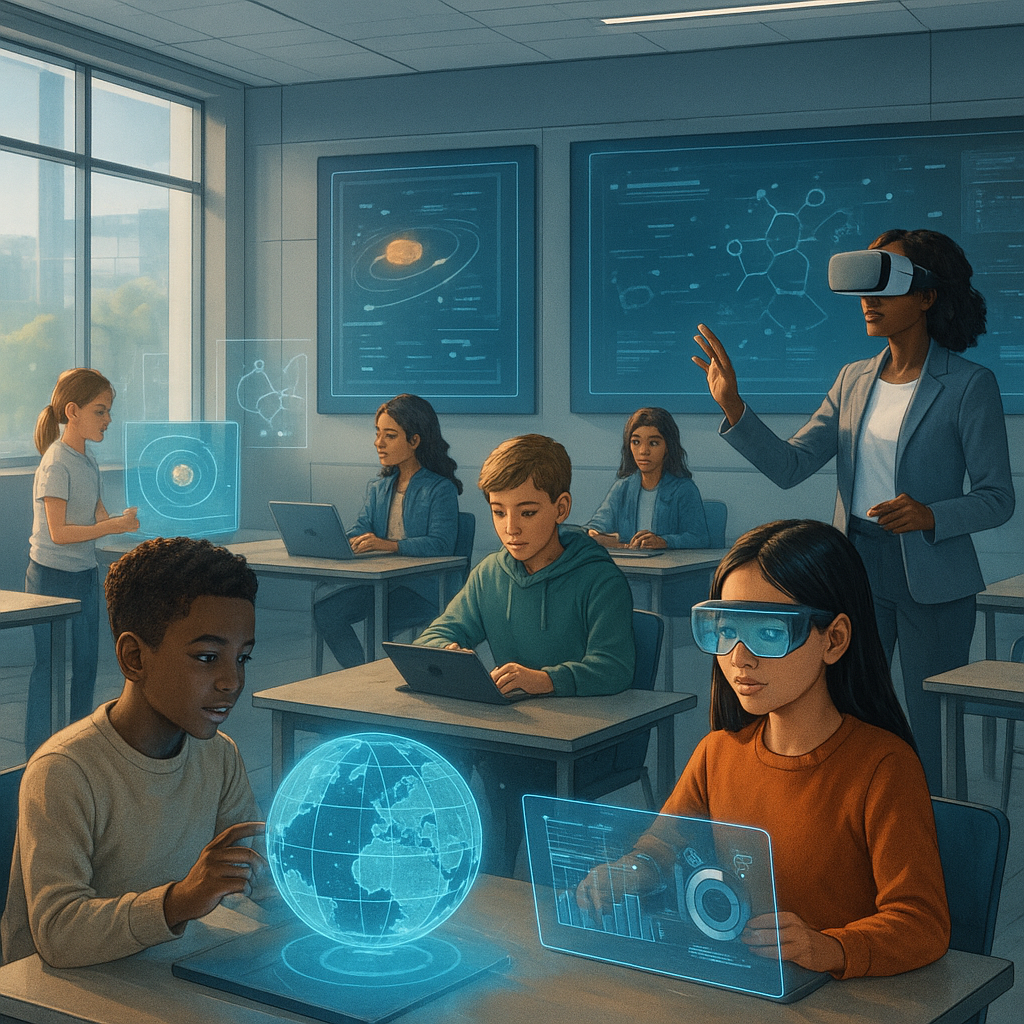
In a bustling classroom in Helsinki, Finland, a group of students collaborates with an AI-powered tutor that adapts lessons in real time to their individual learning speeds. Across the globe in Nairobi, remote learners access virtual reality modules that simulate ancient civilizations with immersive accuracy. These scenes are emblematic of the global education landscape in 2026 — a world where traditional models are rapidly evolving to meet the demands of a hyper-connected, technology-driven society.
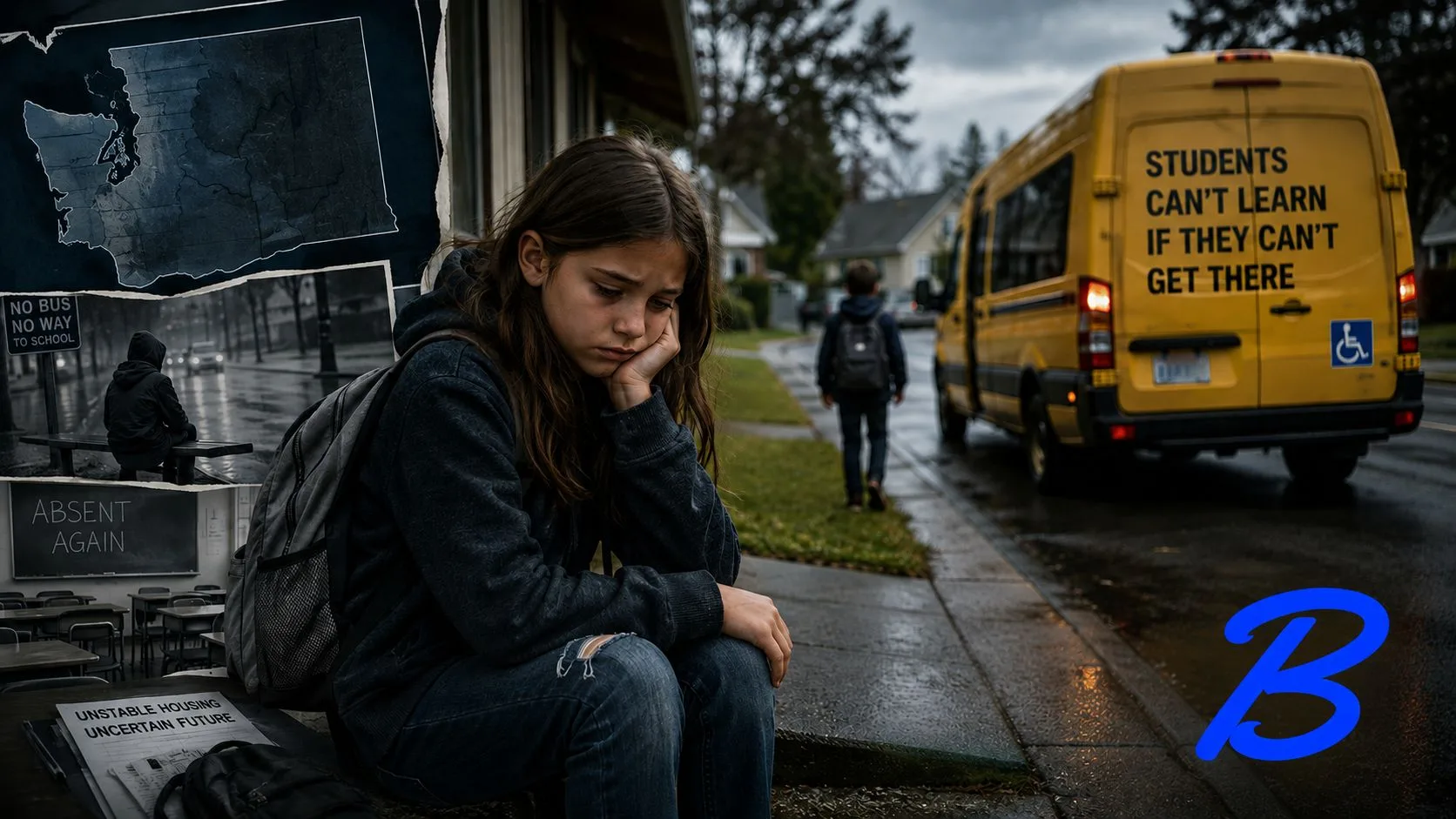
The stakes are high. UNESCO reports that despite widespread access improvements, disparities in quality and equity remain pressing challenges worldwide. The integration of advanced technologies like AI, VR, and blockchain credentials is reshaping what education means and how it is delivered. Yet, alongside these innovations, educators grapple with fostering critical thinking, social skills, and lifelong learning mindsets.
“Education in 2026 is less about rote memorization and more about adaptability, creativity, and personalized pathways,” notes Dr. Lena Ortiz, a global education strategist.
Understanding the forces driving these transformations is crucial for policymakers, educators, and learners alike. This article explores the historical context, key data points, current innovations, expert insights, and future outlook shaping education today.
From Industrial Age Schools to Personalized Learning Ecosystems
The foundations of modern education were laid during the Industrial Revolution, designed to produce standardized workers for factories. Mass schooling emphasized uniform curricula, strict schedules, and teacher-led instruction. This model persisted for over a century, shaping millions of learners’ experiences.
However, the late 20th and early 21st centuries saw mounting critiques of this one-size-fits-all approach. The rise of digital technologies, globalization, and shifting labor markets exposed the limitations of traditional education. The 2010s and 2020s ushered in new pedagogies such as constructivism, flipped classrooms, and competency-based education, emphasizing student agency and mastery.
By 2026, this evolution has accelerated significantly. The pandemic years of the early 2020s catalyzed a surge in online learning adoption, exposing both opportunities and inequities. The shift from physical classrooms to hybrid and fully virtual environments demanded new tools and teacher capacities.
Concurrently, the notion of lifelong learning gained traction. Rapid technological change requires continual skill updates, challenging the idea of education as a finite phase ending in early adulthood. Governments and institutions now prioritize flexible learning pathways that integrate formal, non-formal, and informal experiences.
As noted in our analysis of personalized learning approaches, TheOmniBuzz reported, “The future belongs to those who can learn continuously and adapt swiftly.”
Data-Driven Insights: The Current State of Global Education in 2026
Recent data from the World Bank and OECD reveals nuanced trends shaping education worldwide:
- Access and Enrollment: Global primary enrollment rates exceed 90%, but secondary and tertiary access varies dramatically by region.
- Digital Integration: Over 75% of schools in OECD countries utilize AI-supported learning tools, compared to 30% in developing nations.
- Learning Outcomes: Standardized assessments show gains in critical thinking and problem-solving skills in countries embracing personalized curricula.
- Equity Challenges: Socioeconomic disparities persist, with marginalized groups underrepresented in higher education and digital resource access.
- Teacher Roles: Educators increasingly act as facilitators and mentors rather than mere content deliverers, requiring new professional development models.
For example, Finland’s education system, consistently among the top performers, emphasizes equity and holistic development. Its recent reforms incorporate AI tutors that tailor instruction and track student well-being, yielding a 15% improvement in reading and math proficiency since 2022, according to national statistics.
Meanwhile, countries like India and Brazil are investing heavily in expanding digital infrastructure to bridge rural-urban divides, supported by public-private partnerships. Such efforts illustrate the complexity of elevating quality education at scale.
Online learning platforms now serve over 400 million users globally, a number projected to grow exponentially. These platforms harness big data analytics to customize experiences and identify learning gaps in real time.
2026 Innovations: The Intersection of AI, EdTech, and Global Policy
2026 marks a watershed in education technology integration. Artificial intelligence systems now automate administrative tasks, freeing educators to focus on mentorship. Adaptive learning algorithms analyze student performance minute-by-minute, adjusting difficulty and formats instantly.
Virtual and augmented reality create immersive environments where learners can explore scientific phenomena, historical sites, and complex machinery without physical constraints. Blockchain technologies underpin secure and portable credentialing systems, enabling skills recognition across borders.
Governments worldwide are enacting policies to promote ethical AI use and data privacy in education. Collaborative frameworks have emerged, such as the Global Education AI Consortium, which coordinates research and implementation standards.
“AI is transforming education from a passive reception model to an active partnership between student and technology,” says Dr. Samuel Kim, CTO of a leading EdTech firm.
These innovations also raise questions around equity and workforce readiness. The digital divide remains a critical concern, as underserved populations risk being left behind in an increasingly tech-centric educational environment.
Meanwhile, educators are receiving specialized training in AI literacy and digital pedagogy. For instance, Singapore’s Ministry of Education has mandated AI competency for all teaching professionals by 2027, reflecting a broader trend toward professional evolution.
These developments are explored in depth in our recent coverage of EdTech, highlighting transformative potential and pitfalls.
Voices from the Field: Expert Perspectives on the Education Revolution
Leading education experts emphasize that technology is a tool, not a panacea. Dr. Maria Hernandez of the International Education Association cautions that “human-centered design must drive EdTech adoption to preserve empathy and social learning.”
Policy analysts note the critical need for inclusive frameworks that account for cultural and linguistic diversity. Dr. Ahmed Rashid points out that “localized content, developed in partnership with communities, enhances relevance and engagement.”
“Technology can democratize education, but only if we address systemic barriers and invest in teacher empowerment,” reflects Dr. Rashid.
Corporate leaders in EdTech echo these sentiments, pushing for transparent algorithms and equitable access. Several global initiatives focus on scaling affordable connectivity, digital literacy programs, and open educational resources.
Meanwhile, students themselves advocate for more agency and co-creation in curriculum design. Youth-led forums have influenced national education reforms in multiple countries, signaling a shift toward participatory governance.
These multifaceted perspectives underscore the complexity of educational transformation and the need for collaborative problem-solving.
Looking Ahead: What Education Must Prioritize to Thrive Beyond 2026
As education continues to evolve, several priorities emerge for future success:
- Equity and Inclusion: Closing digital and socio-economic gaps to ensure all learners benefit from innovations.
- Teacher Support: Investing in continuous professional development that aligns with technological and pedagogical changes.
- Student-Centered Learning: Emphasizing personalized, project-based, and experiential learning pathways.
- Ethical Technology Use: Developing transparent, bias-free AI systems and safeguarding learner data privacy.
- Lifelong Learning Ecosystems: Creating flexible, modular credentials and learning opportunities that transcend traditional schooling.
In this vein, international cooperation will be paramount. Cross-border sharing of best practices, standards, and resources can accelerate progress and mitigate disparities.
Policymakers and stakeholders will also need to monitor emerging trends such as neuroeducation and brain-computer interfaces, which could redefine cognitive development and learning capacities within the next decade.
As TheOmniBuzz previously explored, the future belongs to adaptable systems that prioritize human potential alongside technological advancement.
“The ultimate goal is not to replace educators but to empower them and their students to thrive in a complex world,” concludes education futurist Dr. Lena Ortiz.