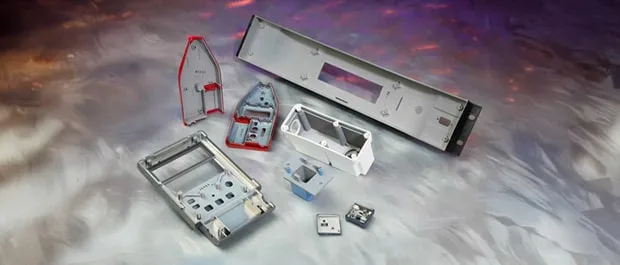
Medical and diagnostic equipment relies on sensitive electronic components to deliver accurate measurements, reliable results, and consistent performance. Devices such as diagnostic imaging systems, patient monitoring equipment, laboratory instruments, and electronic medical devices must operate in environments where electromagnetic interference (EMI) can affect their functionality. Implementing effective EMI Shielding Solutions is essential to protecting sensitive electronics, maintaining signal integrity, and supporting reliable equipment operation.
What Is EMI Shielding in Medical Equipment?
Electromagnetic interference occurs when unwanted electromagnetic energy disrupts the normal operation of electronic devices. In medical environments, interference can originate from nearby equipment, wireless communication systems, electrical motors, power supplies, and other electronic devices.
EMI shielding uses conductive materials, coatings, and specialized components to reduce unwanted electromagnetic emissions and protect sensitive circuits from external interference.
For medical equipment manufacturers, proper shielding design helps improve electromagnetic compatibility (EMC) and supports the reliable operation of electronic systems.
1. Protecting Sensitive Electronic Components
Medical and diagnostic equipment contains sensitive circuit boards, sensors, processors, and measurement systems. These components must function accurately to support dependable device performance.
Electromagnetic interference can introduce unwanted electrical noise, disrupt signals, and affect electronic operation.
Appropriate shielding helps create a conductive barrier around sensitive components, reducing their exposure to unwanted electromagnetic energy. This is particularly important for diagnostic instruments and monitoring systems that depend on accurate electronic measurements.
2. Maintaining Signal Integrity and Equipment Performance
Signal integrity is an important consideration in medical electronics. Diagnostic equipment often processes small electrical signals that must remain stable for accurate operation.
External electromagnetic interference can introduce noise, distort signals, or disrupt communication between electronic components.
Well-designed EMI Shielding Solutions help minimize these disturbances and support consistent signal performance. Selecting suitable shielding materials and ensuring proper electrical continuity are important parts of the design process.
3. Choosing the Right EMI Shielding Materials
The choice of shielding material depends on the equipment design, enclosure structure, operating environment, and required shielding effectiveness.
Common shielding approaches include:
- Form-in-Place Gaskets: These conductive gaskets are applied directly to enclosure surfaces to help create an EMI shielding seal between mating components.
- Conductive Coatings: Specialized conductive coatings can provide shielding functionality on suitable enclosure surfaces.
- Aluminum Vacuum Metallizing: This process deposits a thin conductive aluminum layer onto plastic and other non-metallic surfaces, making it useful for lightweight medical electronic enclosures.
- Metallic Shielding Components: Conductive metal materials can help control electromagnetic interference in equipment housings and electronic assemblies.
Selecting the appropriate method requires evaluating the product's electrical and mechanical requirements.
4. Considering Plastic Enclosure Requirements
Plastic is widely used in medical and diagnostic equipment because it offers lightweight construction, design flexibility, and manufacturing versatility. However, plastic does not naturally provide effective electromagnetic shielding.
Aluminum vacuum metallizing offers a practical approach to addressing this limitation. The process deposits a thin aluminum coating onto plastic enclosure surfaces, creating a conductive layer that helps reduce electromagnetic interference.
This approach allows manufacturers to retain the design benefits of plastic while incorporating functional EMI protection.
5. Supporting Electromagnetic Compatibility Requirements
Medical equipment must be designed to operate reliably within its intended electromagnetic environment. Electromagnetic compatibility testing helps evaluate whether equipment can function without causing or experiencing unacceptable interference.
Standards such as IEC 60601-1-2 address electromagnetic compatibility requirements for medical electrical equipment and systems.
Proper shielding design, conductive connections, enclosure construction, and testing all contribute to EMC performance. Manufacturers should consider shielding requirements early in product development rather than treating them as a final-stage modification.
6. Working With an Experienced EMI Shielding Manufacturer
Choosing an experienced manufacturing partner can help simplify the process of developing effective shielding solutions. Manufacturers should evaluate technical expertise, material compatibility, coating consistency, quality control procedures, and production capabilities.
Early collaboration between engineering and manufacturing teams can help identify potential interference issues, optimize enclosure designs, and select suitable shielding methods.
VTI Vacuum Technologies provides Form-in-Place Gaskets and aluminum vacuum metallizing services, working with engineering teams from initial development through production to support application-specific EMI shielding requirements.
Conclusion
EMI shielding is an important consideration in the development of reliable medical and diagnostic equipment. Protecting sensitive electronic components, maintaining signal integrity, and supporting electromagnetic compatibility can help improve overall device performance.
Choosing suitable EMI Shielding Solutions requires careful consideration of enclosure materials, conductive coatings, gasket designs, and application requirements. By working with an experienced manufacturing partner, medical equipment manufacturers can address electromagnetic interference challenges and develop dependable electronic products.